


Have you ever thought the gaming scene might surprise us again? New numbers are showing a 40% bump in remakes and reboots, and the prices on top games have dropped a lot. That means game studios are switching up how they plan their releases, and we get to play both nostalgic hits and cool new takes. In this post, we'll chat about what these shifts mean for future game drops and our cash flow. Stick around as we break down the changes powering the next level of gaming.
Modeling Gaming Market Trends: 2025 Overview and Revenue Benchmarks

Gaming trends today are a big shift from the pandemic burst in 2020. By 2025, top games are seeing more ups and downs.
Recent stats show that the yearly gaming cash flow has changed a lot. For instance, the middle price of the top 50 new games on Steam dropped by about 15% from February 2023 to October 2025.
Publishers are leaning hard on familiar names. Remakes and reboots shot up about 40% from 2020 to 2025 as companies try to use old favorites for quick wins. Imagine a game you grew up loving, back on the shelves with cool modern twists. One fan even said, "It felt like revisiting a cherished classic mixed with fresh surprises that totally hooked me."
Past trends also show that interest in Roblox ramped up by 57% in just five years. This surge hints at a growing push towards indie gems and more creative, experimental games.
At the same time, how much interactive media is worth is still a great clue for upcoming investments. Experts note that the pressure to turn a quick profit has even made some big-name AAA games stumble between 2023 and 2025.
| Trend | Statistic |
|---|---|
| Price Drop (Steam Top 50) | ~15% |
| Remakes & Reboots Surge | 40% |
| Roblox Search Increase | 57% |
Digital Gaming Developments and Marketplace Disruption
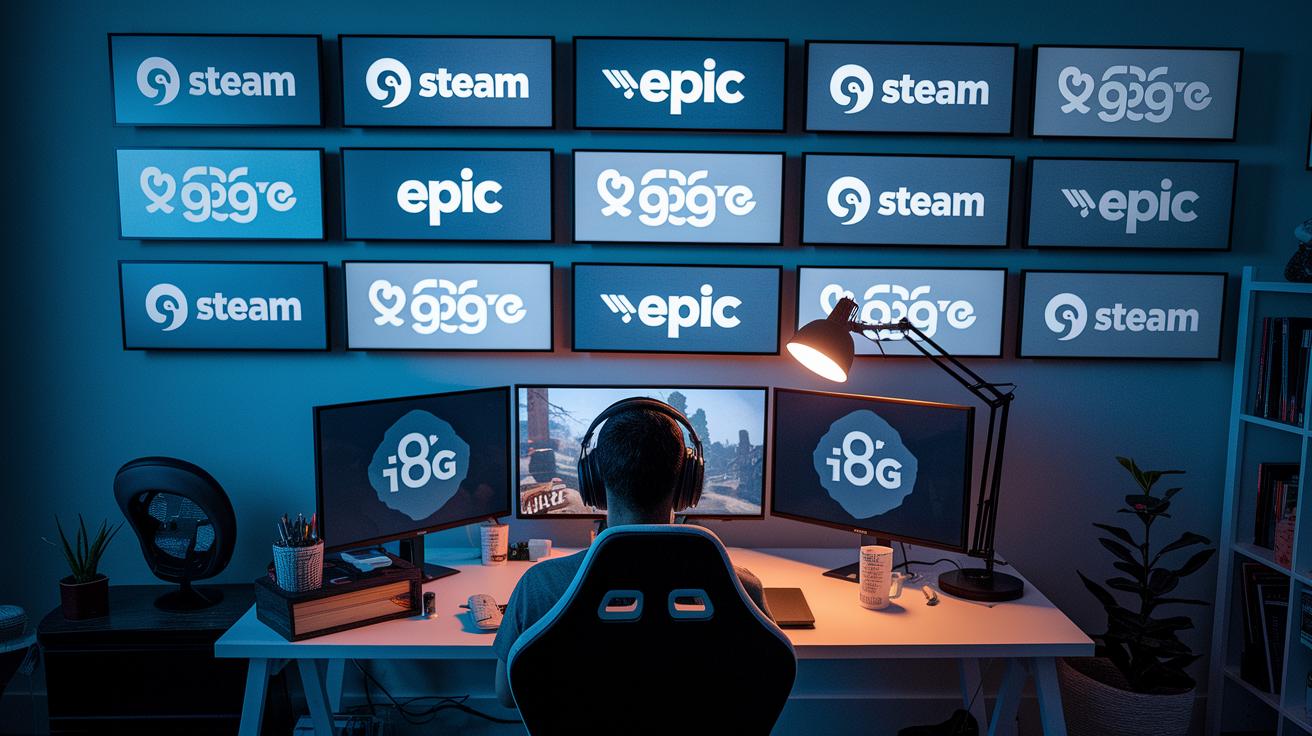
The gaming world is changing quickly. New PC stores like Epic and GOG are shaking things up and nibbling away at Steam’s old crown. These fresh outlets bring better deals and more choices, which means game makers have to rethink how they roll out their games.
Nowadays, even big single-player games need an always-on connection. Picture diving into an epic story and then realizing you need to be online the whole time. This shift can make you wonder if you'll stick with the game for long. Game developers are weighing these pros and cons as they try to keep the gameplay fun.
Early Access is booming too, titles in this phase have doubled since 2020. It’s like having a sneak peek where fans can test a game and give real-time feedback. This input helps developers fine-tune things on the fly while giving gamers a chance to shape the final product. One dev even said that listening to early players made balancing the game much easier.
And let’s not forget cross-platform gaming. Now, a single digital library lets you switch easily between PC, console, and mobile. This smooth switch is sparking lots of talk in market reviews and helping shape the future of digital gaming. By mixing fresh storefront competition, online-only rules, and strategies that work across devices, the gaming industry is setting up a future that puts players first.
Indie Game Market Dynamics and AAA Challenges

Indie games are taking over a space that used to belong to the big studios. On Steam, you’ll see that independent titles now fill most of the Top-50 charts, pushing out some of the old AAA heavyweights. Players are choosing cheaper, fun games over pricey blockbusters which has even dropped the average indie price by about 15%. Think of it like uncovering a secret level, you find a creative, affordable gem instead of splurging on a well-known hit.
Between 2023 and 2025, several AAA games were rushed out the door and ended up with lots of bugs and refund issues. One studio even released a game so glitchy that fans couldn’t help but shake their heads. Imagine a game coming with its very own refund button, something that might have saved you during that tricky mid-boss fight. This shows that big studios are really struggling to balance speed with quality in today’s fast-paced market.
Battle-royale clones have been booming ever since Fortnite took the spotlight, with many publishers simply chasing trends instead of being original. Most of these games feel like they’re recycling old ideas, missing the creative spark that makes a game unforgettable. And to top it off, seasoned gamers warn that leaning too hard on generative AI in design might drain the soul from what makes a game special.
So, what are the main challenges? Here’s a quick list:
| Key Challenge | Description |
|---|---|
| Shifting Tastes | Players are embracing indie games more than before. |
| Quality Issues | Rushed AAA games often come with bugs and refund spikes. |
| Trend Chasing | Too many battle-royale clones lack fresh, creative ideas. |
In the end, it seems like indie creativity is on the rise while major studios are having a tough time keeping their games both smooth and exciting.
Momentum of Cloud Gaming Services and Next-Gen Console Trends

Have you noticed how cloud gaming searches have exploded by 975% over the past five years? It’s like all of a sudden, everyone is switching up how they play their favorite games. Today, cloud platforms aren’t just about the big blockbuster titles, they’re packing in cool indie releases too. No matter if you game on your PC, console, or even your phone, there’s something fun waiting for you.
Next, let’s talk about next-gen consoles. By mid-2025, the Xbox Series X and PlayStation 5 were basically neck and neck in sales. This tight race is pushing companies to innovate, and gamers are all in for it. What’s even cooler? Cloud services now let you pick up right where you left off across PC, console, and mobile. Imagine switching from your living room setup to gaming on your phone without losing a bit of progress, that’s the magic of seamless cloud integration.
And on-demand streaming is another game-changer. Gamers love the idea of diving into high-quality visuals and smooth gameplay anywhere, anytime. With constant connectivity, you get live updates and smooth multiplayer action that just keeps adding value to the experience. Picture tapping into your favorite game on a tablet during a quick break, with every cloud save serving as a lifeline to your digital adventures.
All in all, the push in cloud gaming and next-gen hardware is setting the stage for a big shift in the game world, one that’s all about making play more accessible, innovative, and non-stop.
Gaming Market Trends: Inspiring Growth Ahead

Streaming platforms have seen a massive jump in viewer hours, over 60% more from 2022 to 2025. Gamers are spending loads of time watching live streams, and it’s shaping which games blow up. One streamer put it perfectly: "It’s like catching the game’s heartbeat live." You really feel every win and loss like you’re right there in the action.
Over in esports, things are heating up too. Prize pools are growing about 25% each year, which means bigger payouts and fancier events. This bump is even making competitive gaming a full-time gig for some players. Virtual arenas are getting so big that teams from all corners of the globe can compete without any hassle. Imagine logging into a digital stadium where players from different continents clash, it’s like stepping into a high-stakes online coliseum.
Live gameplay streaming is now a huge factor in deciding which games gamers pick next, and it brings everyone together with real-time excitement. With the buzz of esports and the thrill of streaming, both gamers and developers see a market where passion meets performance, pushing out fresh, innovative content and completely changing how we connect over our favorite games.
| Metric | Growth |
|---|---|
| Streaming View Hours | +60% |
| Esports Prize Pools | +25% YoY |
Consumer Trends in Gaming: Demographics and Monetization

Gaming's changing fast, with more experienced players jumping in. By 2025, nearly half of all gamers worldwide will be over 35. These seasoned players bring fresh tastes and life experiences that shake up the old ways of designing games. Developers now strive to craft games that click with both newbies and long-time fans. Picture a studio meeting where someone casually asks, "How do we keep our veteran players pumped while pulling in new ones?" This mix of gamers is pushing creators to experiment with storytelling and content in exciting new ways.
Money matters in gaming are also under the spotlight. Prices for extra game content, like DLC and microtransactions, went up roughly 30% from 2020 to 2025, and gamers aren’t too thrilled about it. When even a small cosmetic upgrade costs more, players start rethinking how they spend their cash. Meanwhile, subscription and free-to-play models are taking over, letting gamers jump into new titles without a big upfront price tag. It’s a bit like trying out a demo level before you commit.
Mobile gamers have become a major cash driver too. Thanks to hit titles and ad-supported models, they now make up most of the in-game spending. This has set off a cycle where regular content updates and quick rewards are key to keeping players hooked. As spending habits evolve and choices multiply, the balance between one-time premium buys and steady revenue models is reshaping the way money flows in our favorite games. One developer summed it up perfectly: "We’re not just selling a game; we’re building a platform that suits all kinds of spending habits." These trends are clearly changing the game for everyone in the industry.
Emerging Technologies Impacting Future Gaming Market Trends
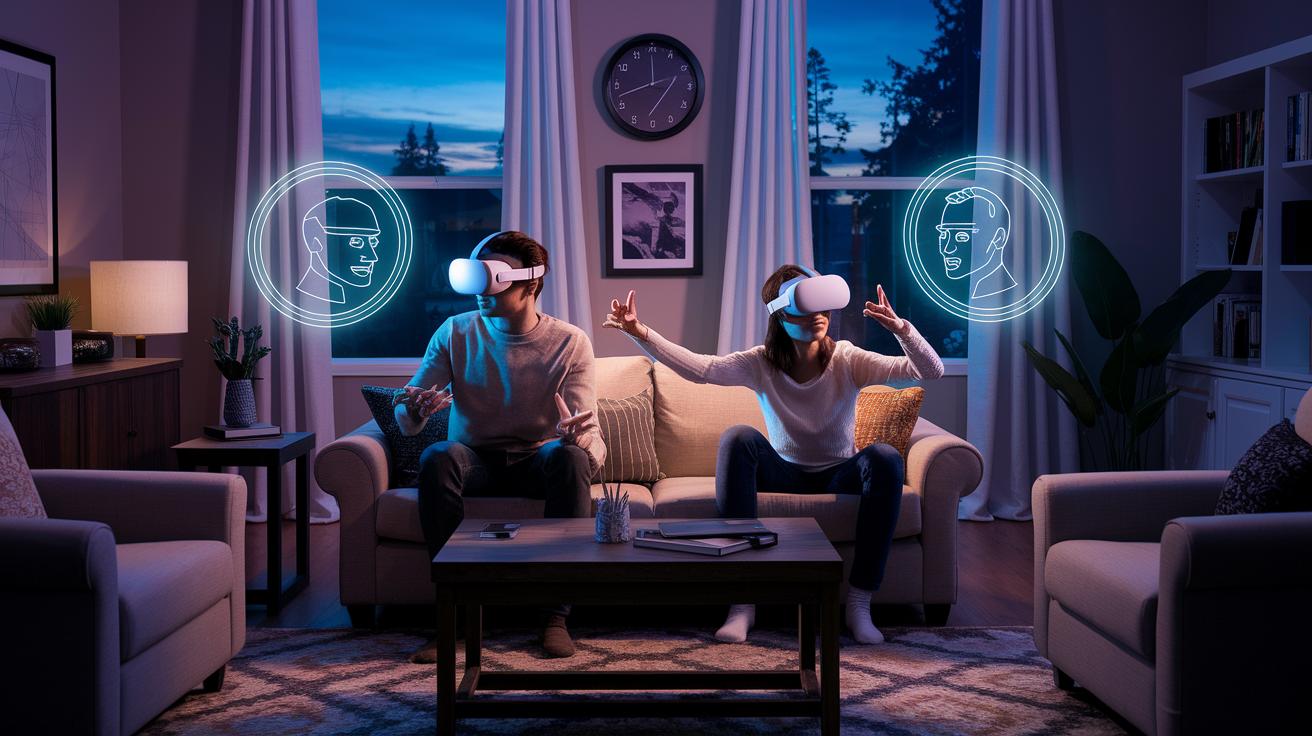
Virtual reality and augmented reality are totally changing how we play games. VR titles are becoming a bigger part of new releases, especially as more folks pick up headsets in 2024 and 2025. Imagine diving into a game that makes you feel like you’ve stepped into a whole new world. One player even said that a late-night VR battle zone lit up with crisp, vivid visuals made the experience unforgettable.
AR isn’t just about fun mobile filters anymore. Now, these experiences let you wander your neighborhood and enter virtual arenas tied to popular game franchises. This cool twist makes gameplay more interactive, blending your everyday world with a virtual one.
Some game makers are trying out generative AI tools to create game art. Sure, these tools can speed things up, but many designers feel they sometimes take the creative spark out of unique game worlds. One designer shared, "Our team gave AI a shot to speed up art production, but the results ended up feeling a bit too uniform."
Then there’s the rise of blockchain and NFT experiments in indie projects. These ideas might open new ways to own in-game items, but they’re still a small part of the overall scene. As tech keeps advancing, gamers and developers alike are watching these trends closely to help shape a future full of fresh, interactive gaming experiences.
Final Words
in the action, we explored how the gaming scene has shifted over the years. We checked out revenue benchmarks, digital developments, and the balancing act between indie hits and AAA releases. We even saw how streaming and esports are charging the future of play. Consumer and tech trends are redefining what gaming means today, and overall, these gaming market trends offer a clear glimpse of where things are headed. It’s an exciting time to be part of this evolving space. Enjoy the ride!
FAQ
Q: What were the gaming market trends in 2022?
A: The gaming market trends in 2022 show a boost from pandemic play, with increasing digital sales, growing mobile gaming, and a shift toward remakes and live streaming that reshaped how players engage with games.
Q: What do gaming trends in 2025 reveal?
A: The gaming trends in 2025 highlight mixed success among big titles, lower game prices, and the rise of indie hits, while digital stores and cross-platform play push a wider audience and fresh monetization models.
Q: How do gaming trends on YouTube impact the industry?
A: The gaming trends on YouTube show that live streams, game reviews, and influencer content fuel player interest and guide purchasing decisions, making the platform a key hub for discovering new gaming experiences.
Q: What are the key gaming industry trends for 2025?
A: The gaming industry trends 2025 point to a blend of digital distribution expansion, volatile AAA launches, cross-device streaming, and evolving revenue models that drive both consumer choice and overall market performance.
Q: How is gaming market revenue being influenced?
A: The gaming market revenue is shaped by multiple income sources like digital sales, microtransactions, and subscriptions, with rising mobile and indie sectors playing a big role in boosting overall earnings.
Q: How is the gaming market size evolving?
A: The gaming market size is growing steadily, propelled by increased digital downloads, mobile game popularity, and esports content, reflecting a broader shift toward interactive, on-demand entertainment.
Q: How does gaming market size vary by country?
A: The gaming market size by country shows variation where developed nations lead in digital game sales, while emerging regions push mobile gaming growth, creating diverse revenue footprints across the globe.
Q: What trends are shaping mobile gaming in 2025?
A: The mobile gaming trends in 2025 center on higher in-game spending, broadening user demographics, and strong ad-supported models, all of which help drive a rapid expansion of the mobile sector globally.