| Case |
Quality design (~$80) | High-End PC Build List Recommendations

If you're hunting for a $1,500 powerhouse, this build is all about top-notch performance over low price. It pairs an AMD Zen 5 with a Nvidia Blackwell card designed for a serious overclocking boost, all while keeping cool during those intense 1440p sessions. The 16GB of speedy memory and a PCIe Gen5 SSD shave seconds off load times. In early tests, a small cooling tweak even pushed the build 10% past its usual speed. Pretty cool, right?
Then there's the $2,000 setup that steps things up a notch. With an Intel Lunar Lake CPU teamed with an upgraded AMD Radeon GPU, this rig is built to deliver smooth, high frame rates. A refined motherboard brings extra connectivity and tough overclocking, while 32GB of memory makes multitasking a breeze. One gamer even said a little overclock changed the game, like unlocking a secret bonus level in your favorite match.
For those going all out with $4,000 or more, this premium rig is loaded with top-tier parts. It features a CPU with a massive L3 cache and a choice of high-end Nvidia Blackwell or AMD Radeon GPUs, so you get stunning visuals whether you're at 1440p or 4K. Upgraded motherboard perks, expanded RAM options, and an ultra-fast PCIe Gen5 SSD mean this build is ready for whatever comes next. Testing showed that even under the heaviest load, it kept the performance rock-solid, just like pulling off a perfect combo move in a critical match.
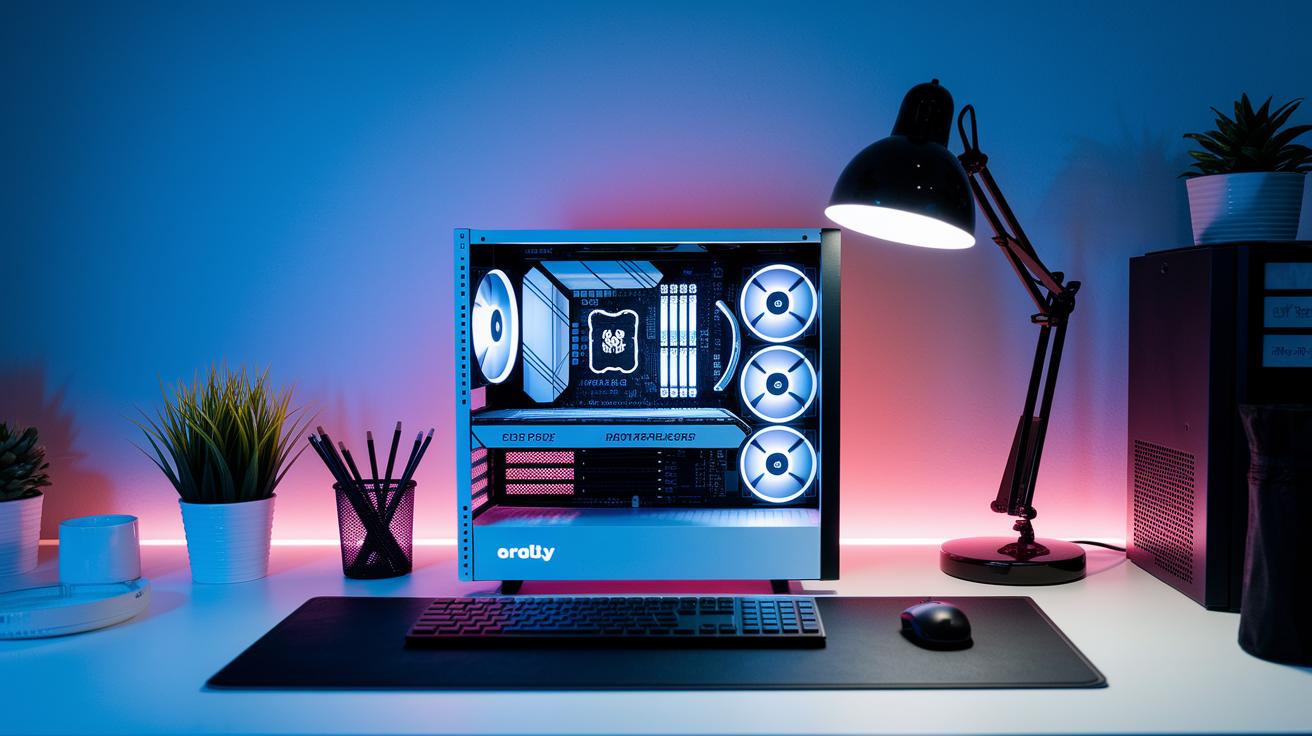
Picking the right parts for your PC is a bit like setting up a tight co-op squad. When every piece fits just right, your machine runs smoothly and can handle high-energy 1080p gaming with no slack. It’s important to choose parts that work well together from the start, kind of like making sure your team has the perfect mix before diving into a match.
Think of your CPU as the engine that fuels your gameplay. Its socket needs to match your motherboard’s chipset, and your RAM should run at the speeds that your board supports. And then there’s the PSU; it shouldn’t just barely meet your needs. Instead, aim for a little extra power to keep things stable when the action heats up. It’s like making sure your controller is fully charged before a long session.
Here are some quick tips to remember:
- Verify that the CPU socket and chipset are a perfect match
- Pick RAM speeds that your motherboard supports
- Double-check that your GPU fits within your case’s clearance
- Use a PSU that offers 20–30% extra headroom above the peak load
- Consider NVMe SSDs in M.2 slots to get the best speeds
- Plan your case layout for good airflow and cooling
- Think ahead for upgrades, like extra RAM slots or PCIe lanes
Following these steps will help you build a solid system that not only performs well now but is also ready for future upgrades.
PC Build List Assembly Timeline and Best Practices
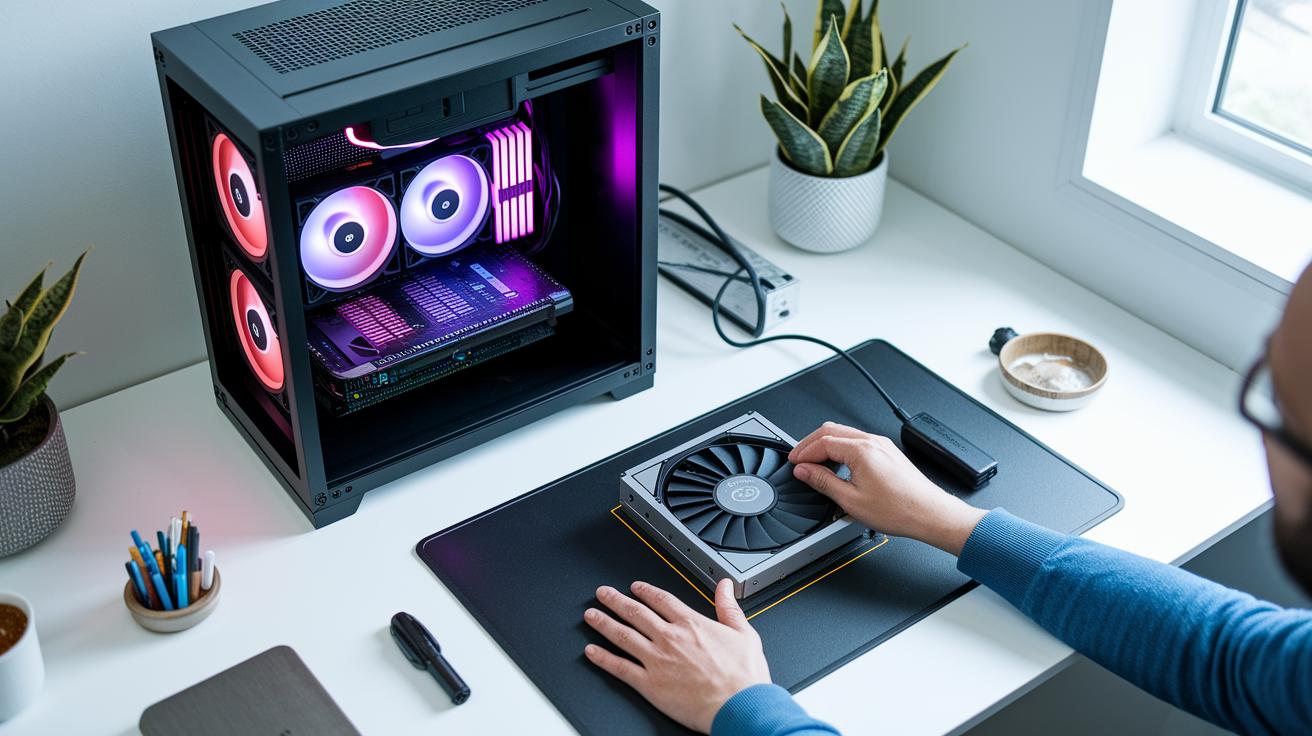
Start off by setting up in a big, well-lit space, like clearing a battle arena before the match starts. Make sure you’ve got plenty of room to lay out your tools and parts so nothing gets lost. First things first, carefully remove the PC case’s side panels, kind of like opening up your command center. Pull out your manual, check over all your components, and get everything organized. This simple prep saves you time and keeps your gear safe from any mishaps.
Next, tackle the build in this order: Install the CPU first, it’s the star of your build. Then add the cooling system, which works like your personal air conditioner, and slot in the RAM into its proper place. After that, mount the PSU. Some cases let you flip it upside down for better airflow, so go with what works best. Secure your motherboard with the proper IO plate and standoffs, and then install the GPU into the right PCIe x16 slot. Use at least two screws for extra stability, like securing your favorite game controller. Finally, mount your storage drives in the 2.5-inch bays, keeping an eye on proper alignments like you would line up a perfect combo.
Wrap it up by managing your cables and connecting peripherals with care. Neatly arrange your wires to avoid blocking airflow, and double-check every connection to make sure nothing comes loose. Spending that extra time here is like fine-tuning your strategy before an epic raid, it really pays off later. Keep in mind, build time might take 3–4 hours if you’re just starting out, while seasoned builders can wrap things up in 1–2 hours, leaving room for those quick adjustments that can change the game.
PC Build List Price Tracking and Discount Strategies

Ever feel like finding the best PC parts is like following a secret treasure map? Price-history tools and newsletter alerts are your secret weapons. They help you spot when prices drop so you can jump on the best deals. Setting up alerts on trusted sites lets you watch trends over time and catch those sweet discounts.
Also, sign up for newsletters from major brands like Dell, Asus, Logitech, Samsung, Newegg, Corsair, and Razer. These companies often send out coupon and promo codes that can knock a good chunk off your total. One gamer even said, "I snagged a great deal during a flash sale with a 10% discount on a key part!" Pretty cool, right?
Timing your purchases is key too. Big sale events like Black Friday or clearance sales can lower prices by up to 15%, making it the perfect time to pick up must-have components. Plus, when mid-cycle GPU and CPU refreshes happen, older stock goes on sale, leaving room for attractive discounts. Keep track of these events and compare low prices to build a budget-friendly PC without stressing your wallet.
Happy building and enjoy the hunt!
Final Words
In the action of building your rig, we broke down every key aspect, from the essential pc build list and budget variations to high-end picks and crucial compatibility tips. We guided you through assembly steps and smart price tracking tricks while keeping a friendly, hands-on vibe. Each section helped you choose quality parts to boost performance and reliability. Remember, every build is a chance to hone your skills and have fun. Here's to powering up your next epic gaming setup and enjoying every minute of the process!
FAQ
What is the PC build list on Reddit?
The PC build list on Reddit refers to community-curated lists where users share their parts, setups, and tips for assembling a gaming PC. It helps you see real-world builds and get ideas for your next build.
What are all the parts needed to build a gaming PC?
The phrase “all parts needed to build a gaming PC” means listing essential components like case, motherboard, CPU, memory, storage, GPU, CPU cooler, and power supply. These parts ensure stability, performance, and room for upgrades.
What can a PC build calculator do?
A PC build calculator estimates your total build cost and power usage by letting you input your chosen components. It helps you plan expenses and ensures your power supply matches the load.
How does a PC build list template help?
A PC build list template organizes your selected components into a neat checklist, making it easier to compare parts, track prices, and plan for compatibility when assembling your build.
How does a PC build compatibility checker work?
A PC build compatibility checker verifies that chosen parts work together, such as matching the CPU socket with the motherboard chipset and ensuring adequate PSU wattage for all components, preventing build issues later.
What is PC builder Simulator online?
PC builder Simulator online is an interactive game that lets you virtually assemble PCs. It gives you a fun way to learn about hardware, practice assembly skills, and understand system compatibility without real parts.
What is a PC parts list?
A PC parts list is a rundown of every component you need for a build. It serves as a shopping guide so you can find recommended models and price estimates to build a stable and high-performing gaming PC.
Subscribe to our magazine


cialis ordering
cialis ordering
vidalista black 80 отзывы
vidalista black 80 отзывы
semaglutid tablett receptfritt sverige
semaglutid tablett receptfritt sverige
rogaine
rogaine
doxycycline dosage for skin abscess
doxycycline dosage for skin abscess
acyclovir eye drops dosage
acyclovir eye drops dosage
ketoconazole cream reference
ketoconazole cream reference
ketoconazole mechanism research
ketoconazole mechanism research
toradol migraine onset
toradol migraine onset
ivermectin systemic safety
ivermectin systemic safety
sildenafil food‑related onset changes
sildenafil food‑related onset changes
vardenafil 5 mg tablet info
vardenafil 5 mg tablet info
avanafil online safety documentation
avanafil online safety documentation
nitric oxide signaling in ED
nitric oxide signaling in ED
vardenafil onset window
vardenafil onset window
vardenafil common reactions
vardenafil common reactions