
Ever wonder why some players always seem to have the upper hand during intense battles? This guide lays out the simple skills that help top shooters stay on top. The secret is nailing your aim and making fast decisions, just like when you quickly choose the right weapon in a raid.
It’s like learning a new trick in your favorite game. You get the hang of sharp moves, smart tactics, and quick thinking that turn basic actions into winning plays. Whether you’re practicing in easy drills or in the middle of a heated match, these tips help you stay cool and never miss your shot.
Ready to level up your game?
Core Tactical Framework for Mastering Competitive Shooter Strategies

Tactical discipline is all about nailing your aim while making smart decisions on the fly. It mixes solid shooting basics with quick, agile moves and fast thinking, turning your ordinary skills into a real gaming advantage. Top players not only work on their trigger control but also get better at reading the field and handling pressure like pros.
This guide is about blending precise aim with on-the-spot strategy. It builds a mindset that's cool under pressure and quick to act. Here are the five main ideas:
- Situational awareness
- Decision-making under stress
- Movement and positioning
- Communication and teamwork
- Adaptability in dynamic conditions
Focus on these basics, and you'll be ready to handle surprises, keep your position sharp, and sync up with your teammates. It’s like balancing your grip, stance, and trigger control with fast, clear decisions when it matters most. With every practice run, from basic shooting drills to full-blown simulated battles, you’ll see these skills merge into smooth, confident gameplay. Keep honing these tactics, and you'll build a well-rounded skill set that helps you win now and grow as a shooter over time.
Precision Aiming and Gunplay Techniques for Competitive Shooters
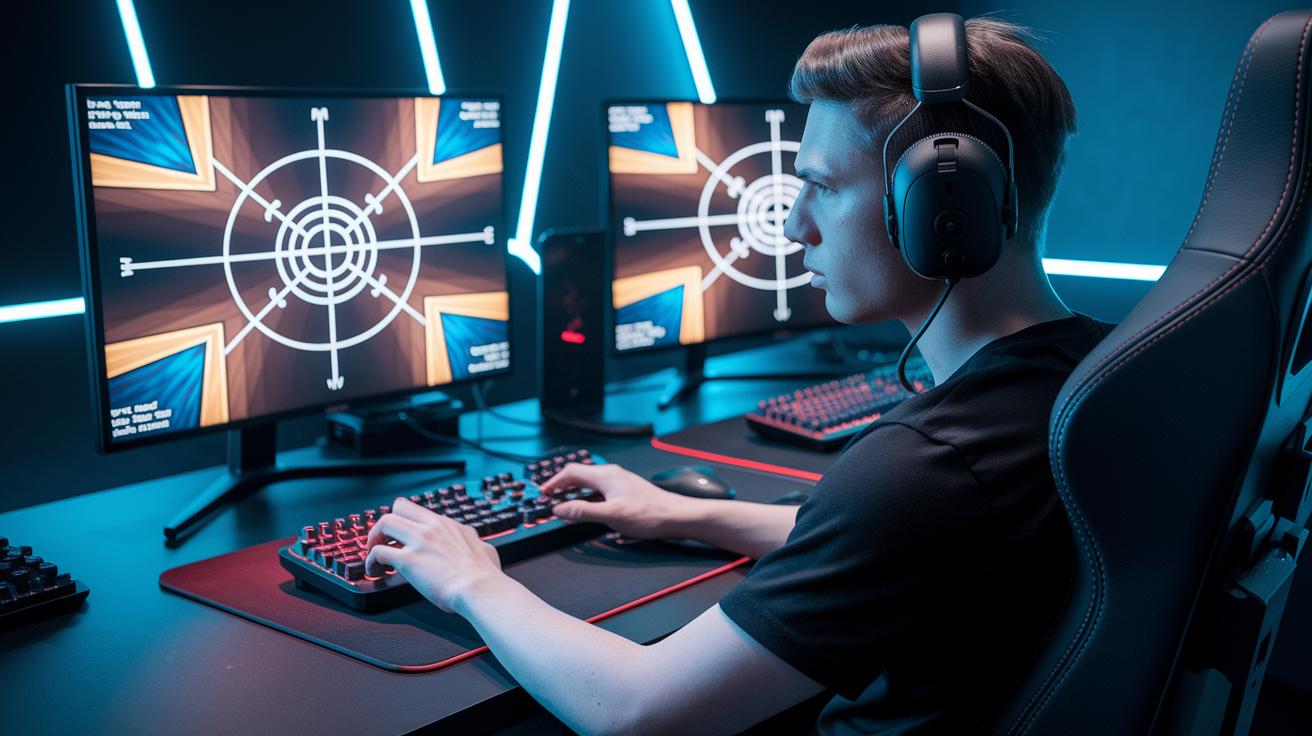
Ever notice how the best shots start with a firm grip and a balanced stance? A steady hold, a clear sight, and a good aim are your ticket to nailing every shot. When your weapon stays steady, you control the recoil and keep your fire quick and true. Think of lining up your crosshairs like aiming straight for victory. Quick tweaks when switching targets can really pay off, and our guide on gaming mouse sensitivity can help you dial in that perfect aim. It’s all about solid basics and smooth trigger control turning each pull into a hit.
Staying relaxed and firm with your weapon is key. Position yourself so your moves are smooth and precise. This steady setup cuts recoil and makes your shots more consistent. Drills that work on drawing your weapon, switching targets, and controlling the trigger are must-haves if you want to boost your game.
| Drill | What It Does |
|---|---|
| Dot Transitions | Quickly switch focus between close targets |
| Flick Shots | Move swiftly and accurately from one target to the next |
| Snap Shots | Hone your trigger control when returning to key targets |
| Bill Drill | Practice drawing and firing six rounds really fast |

| Cover Type | Tactical Use |
|---|---|
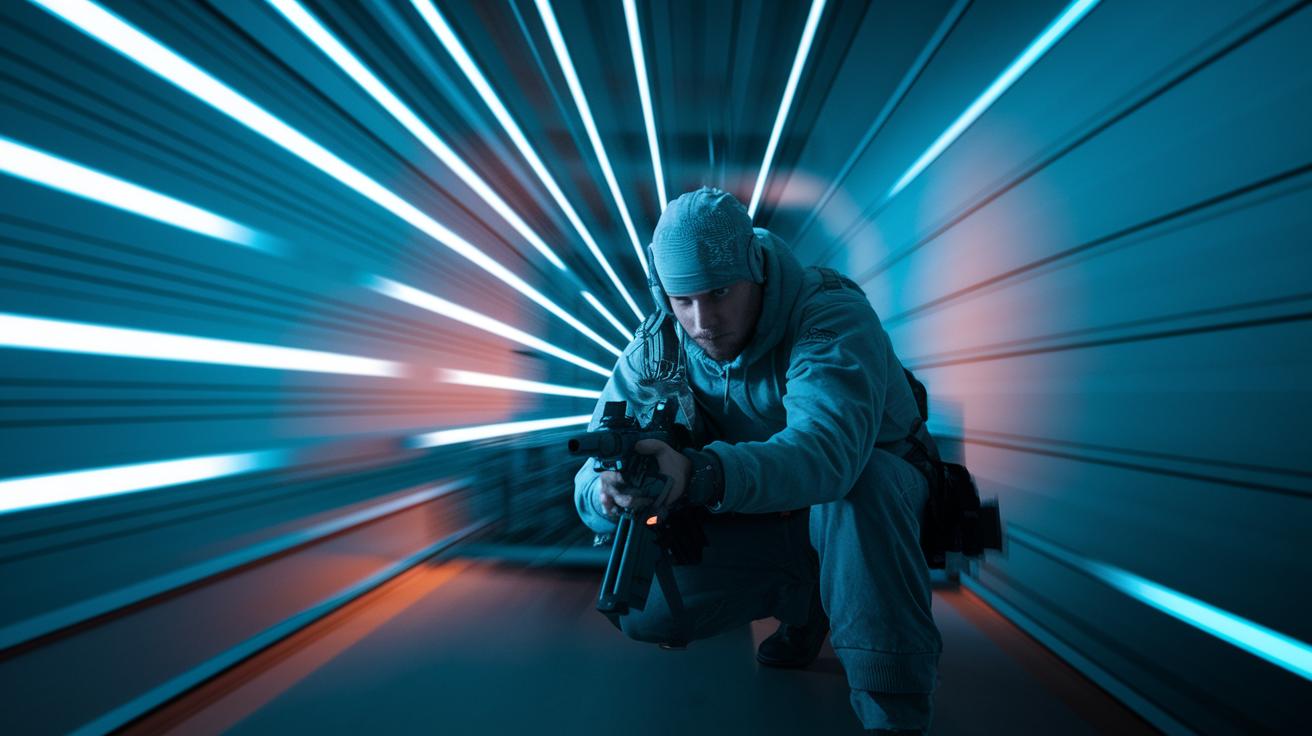
| Hard Cover | Stops enemy bullets and lets you peek safely to plan your next move |
| Soft Cover | A quick hideout for fast repositioning and keeping low |
| Elevated Positions | Grants a better view and solid angles for shooting |
| Shadow/Garbage | Helps you stay sneaky and set up a perfect ambush |
Timing your moves is just as important as knowing where to go. It's not only about the destination but also about when you get there. Quick, well-timed moves cut down your risk and help you decide the best moment to attack or pull back. Think of it like matching your rhythm with the game: dash in when your enemy's distracted and pause when you need to regroup. That combo of speed and smart planning gives you the real upper hand every match.
Map Control and Strategic Battle Planning for Competitive Play
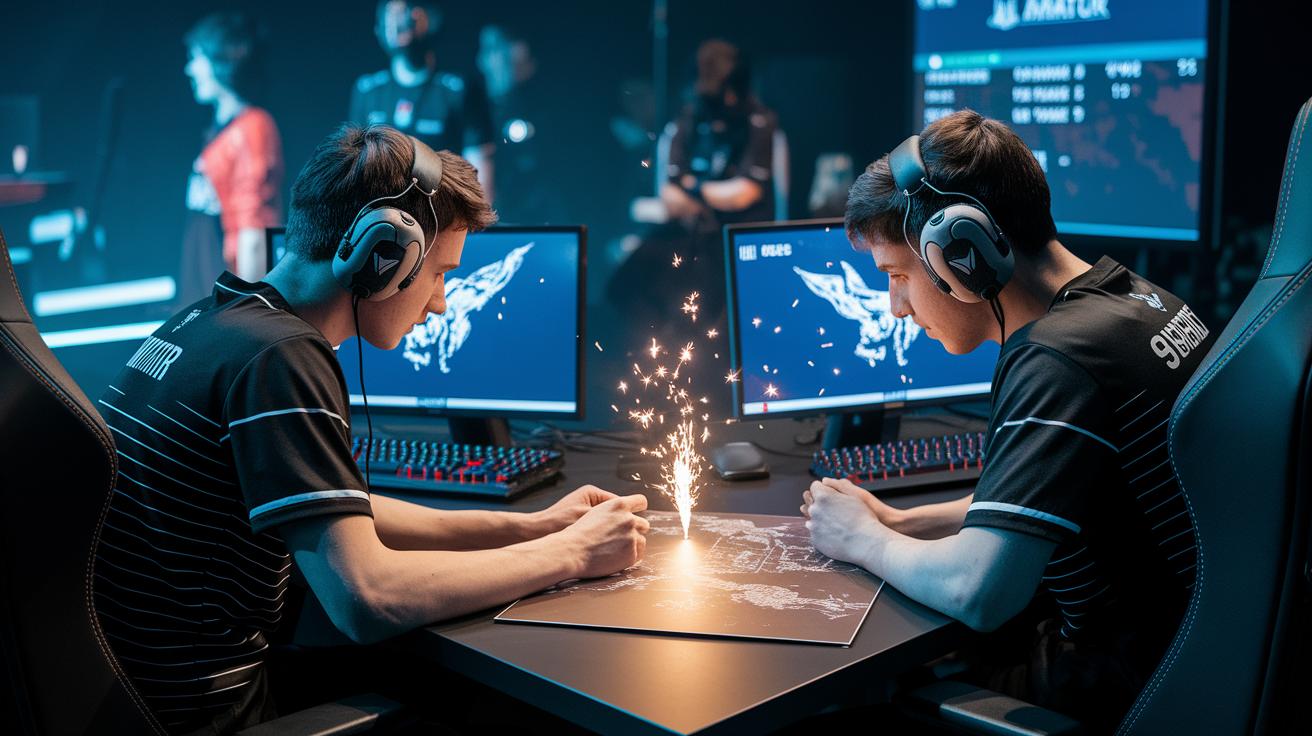
When you're in a match, it all starts with checking out the map. Look closely at spawn spots, choke points, and rotation paths. Doing this is like having a secret playbook, it shows you where your foes might appear and which spots you can lock down for maximum impact. Knowing these details means you can predict enemy moves and quickly decide where to drop your guard.
Here are five simple map control tips to boost your game:
- Grab key angles that push enemies into tight spots.
- Pre-aim during rotations so you're ready when you need to change direction.
- Use grenades to keep enemies off-balance and break up their pushes.
- Keep control of central choke points where the action heats up.
- Time your rotations by watching enemy patterns to stay one step ahead.
At the start, try putting pressure on the spawn areas to throw off your opponents. As the game moves forward, shift to busy zones where you have a strong hold. And when the match is winding down, focus on protecting key areas and be ready to move fast. Combine these strategies with clear team chat, and you'll turn quick decisions into solid wins.
Team Coordination and Communication Methods in Squad Play
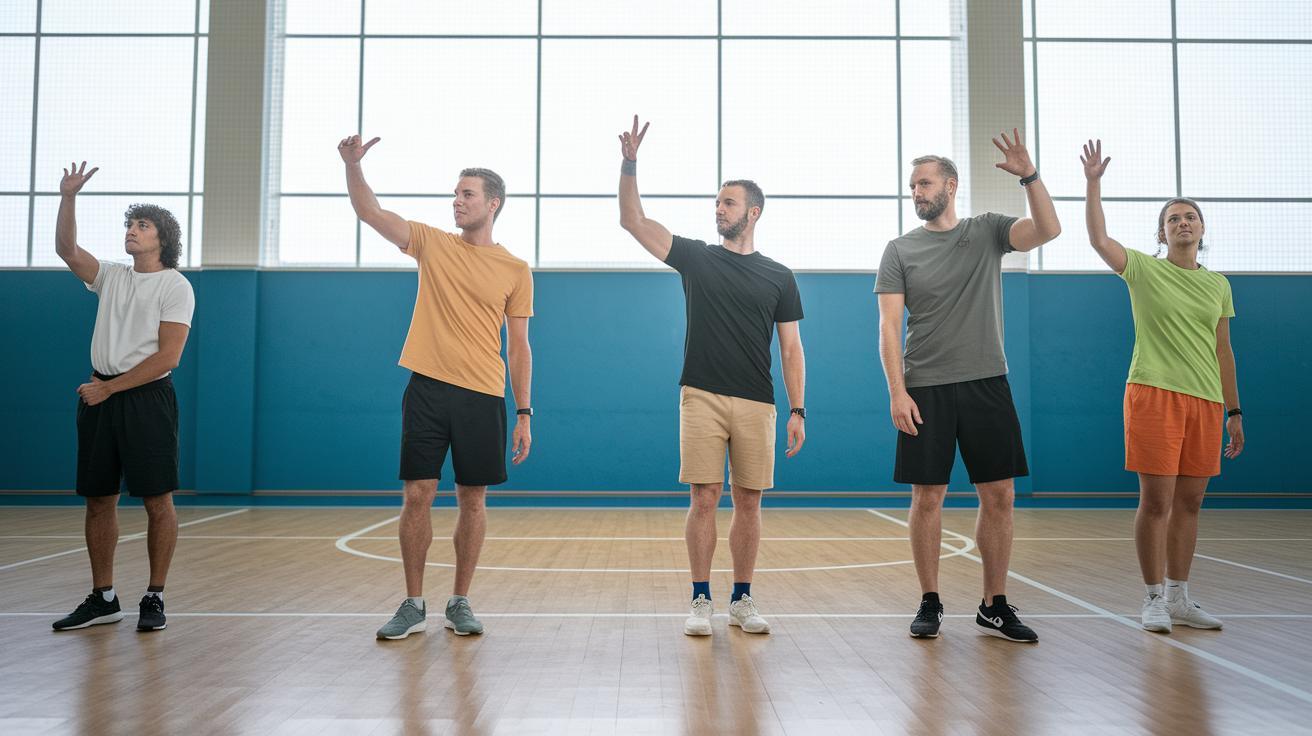
Good communication is like the heartbeat of any team. In those tough matches, having simple call names and clear roles is a must. Every player should know what they’re supposed to do and be ready to act fast with easy signals. This clear setup cuts down on mix-ups and makes quick decisions possible. Plus, it keeps the team focused during intense battles and tricky drills, so everyone moves together when the game heats up.
- Concise callouts
- Acknowledgement pings
- Fallback signals
- Role-based orders
Regular practice with these signals isn’t just about technical skills, it also boosts quick, flexible thinking under pressure. When the team drills role-specific moves in simulated high-stress scenarios, their overall play sharpens. With steady practice in synchronous pushes and smart, adaptive moves, the squad becomes ready to handle changes in the game. In the end, everyone’s actions line up perfectly, making in-game decisions smooth and effective.
Training Drills and Virtual Combat Simulations for Shooter Development
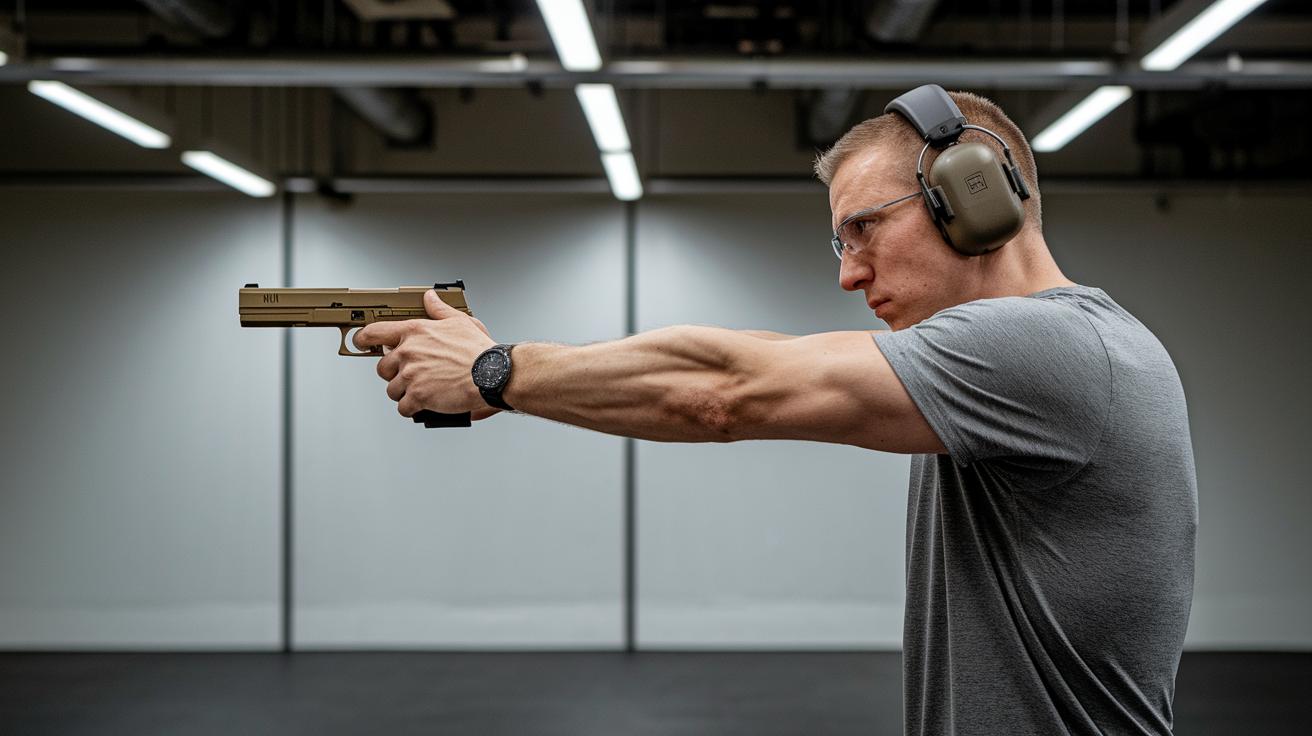
Customizing your practice sessions to work on your weak spots can really boost your game. Try spending time on static ranges to nail down basics like your grip, stance, and trigger control. Figure out what part of your game needs more attention, then design drills that hit exactly those areas. For example, practice slow and steady movements during dry-fire sessions to build muscle memory before you crank up the speed. This way, you’re training at your own pace and every session brings you a step closer to peak performance.
Mixing live-fire drills with dry-fire practice and simulated battles gives you a full picture of your skills. Live-fire exercises let you feel the real kick of recoil and the bustle of action-packed combat. On the other hand, dry-fire practice helps you work on precision without the pressure of live rounds. And when you throw in scenario drills, like force-on-force exercises, you get a taste of high-pressure situations in a safe, controlled setting. Each method teaches you when to speed up your reactions and when to focus, making every drill a stepping stone toward competitive play.
Using advanced simulators and VR setups can take your training to an epic level. Systems like the RECON series and various VRG/MVT models mimic real match conditions perfectly. They track your moves and give on-the-spot feedback on reaction speed, accuracy, and decision making. With these setups, you fine-tune your strategies and skills, so your practice sessions directly boost your match performance.
Equipment Selection and Loadout Customization Insights for Competitive Shooters
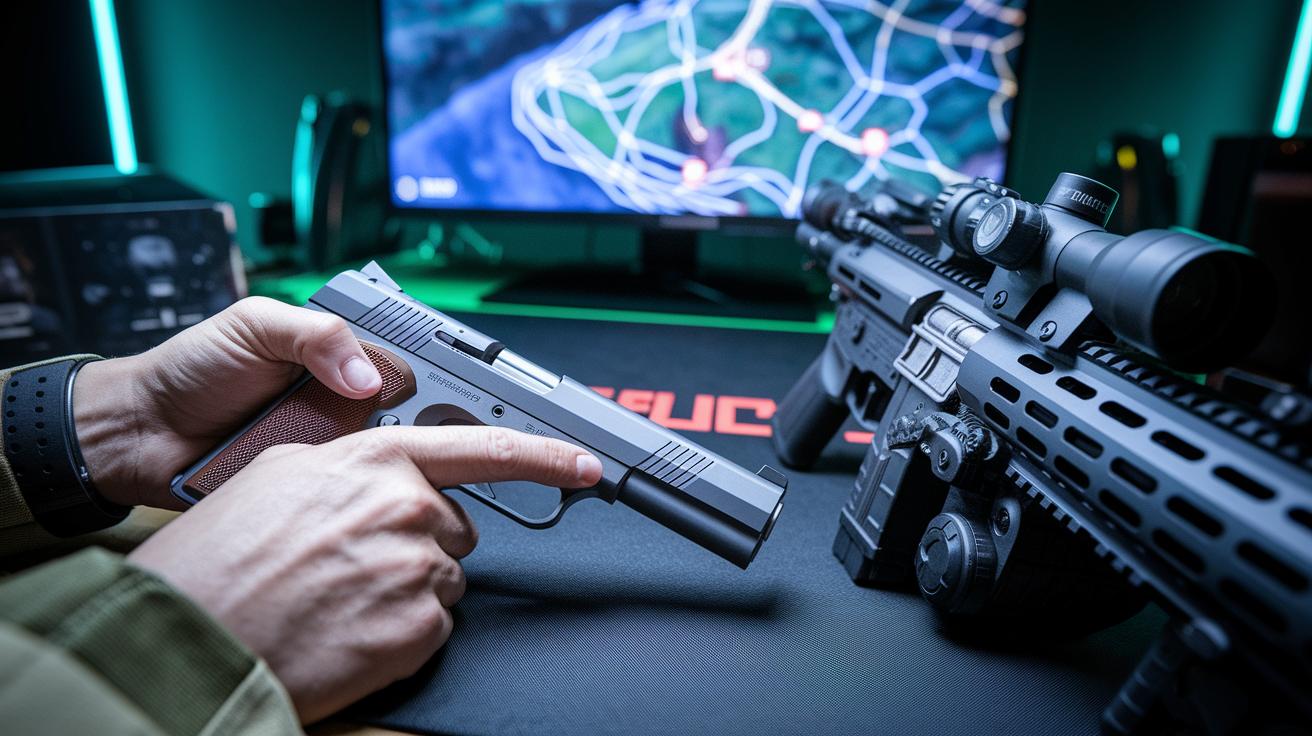
When picking a gun, it’s important to know what your group needs. Whether you're rocking a Rimfire Pistol or a Centerfire Rifle, the right choice can totally boost your game. Just like picking your favorite character, choosing a weapon that fits your style and the map’s challenges can make a big difference. Plus, a gun that feels right helps you play fast and hit your target when every second counts.
After that, upgrade your gear with smart accessories. A quality red dot or holographic sight helps you line up your shots quickly and see targets clearly. Pair these with sturdy holsters and tactical clothes that let you move without getting stuck. And don't forget eye and ear protection, especially during live matches. Extra training tools like timers and shooting mats can also up your game. For more gear tips, check this out: optimizING gaming gear for competitive play (https://funcomputers.com?p=1411).
Lastly, balance is key when customizing your loadout. Aim for a mix of speed, accuracy, and useful features. A versatile setup helps you adapt to fast-changing game scenes. When your equipment fits your play style and gives you flexibility along with powerful performance, you'll see your competitive edge grow and your gameplay become more controlled.
Final Words
in the action, you explored a solid breakdown of strategies to up your gameplay. The post covered a tactical framework that blends marksmanship with smart moves, fresh tips for aiming and recoil control, smart movement, and map plans. It tackled team coordination, practical drills, and even gear tips to support your play style.
This tactical guide to mastering competitive shooter strategies ties all the ideas together, leaving you ready to put these skills into practice with excitement and confidence. Enjoy leveling up!
FAQ
What does competition shooting for beginners mean?
Competition shooting for beginners means starting out in structured shooting events, where new shooters learn basic techniques, equipment handling, and fundamentals skills in a supportive environment designed to build confidence and marksmanship.
What is a tactical shooting competition?
A tactical shooting competition mixes precise marksmanship with strategic movement and decision-making under pressure. Competitors use realistic scenarios to test skills like recoil management and quick target acquisition during dynamic matches.
What does marksmanship skill Level 3 mean?
Marksmanship skill Level 3 indicates a moderate to advanced proficiency in shooting. It shows the shooter can consistently hit targets with proper form, manage recoil, and perform well under pressure in competitive settings.
What is an action shooting competition?
An action shooting competition challenges shooters with a mix of static and dynamic targets, requiring quick draws, rapid reloads, and fast-paced decision-making to simulate real-life shooting scenarios in a competitive format.
What are shooting competition divisions?
Shooting competition divisions sort participants by firearm type, skill level, or competition format. They ensure shooters compete against similar opponents, creating a fair environment for testing skills and improving performance.
What does rifle shooting competition involve?
Rifle shooting competition involves precision, quick trigger control, and accurate sight alignment. Competitors engage targets over various distances while managing recoil and maintaining focus under time restraints.
What is the USPAS (United States Practical Shooting Association)?
The USPAS is an organization that governs practical shooting events in the United States, promoting safe, competitive shooting through a range of events and divisions for shooters of different skill levels and equipment choices.
What are shooting disciplines?
Shooting disciplines refer to the different types of competitive shooting events, each with specific rules, equipment, and skills. They cover areas like pistol, rifle, and shotgun events, catering to diverse shooter specialties.

Follow us to find out more.
━ about
━ follow us
━ subscribe
© 2025 All rights reserved. Fun Computers