
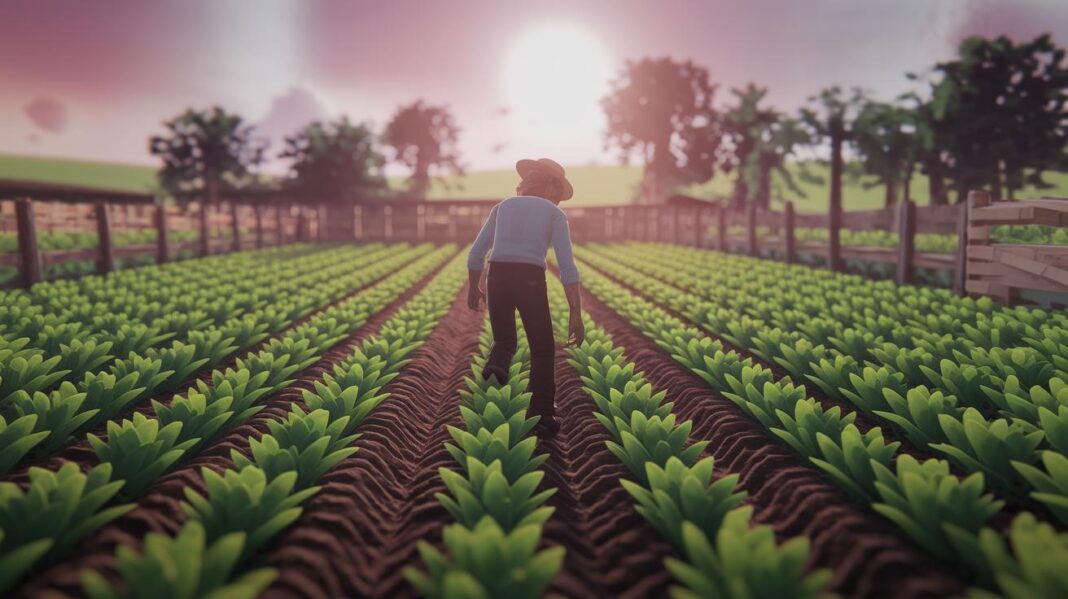

Ever wonder if a few simple changes can boost your Stardew Valley farm profits? This guide walks you through each step to get more from your crops. We cover everything, preparing your plot, watering your plants, and replanting for the next round, so you make every day count.
It’s kind of like tweaking your favorite game controller; a little extra care makes a big difference. Our tips lay out all the basics to help you turn small wins into lasting success. Ready to level up your farming skills and see those profits grow? Let's get started!
Step-by-Step Stardew Valley Farming Walkthrough
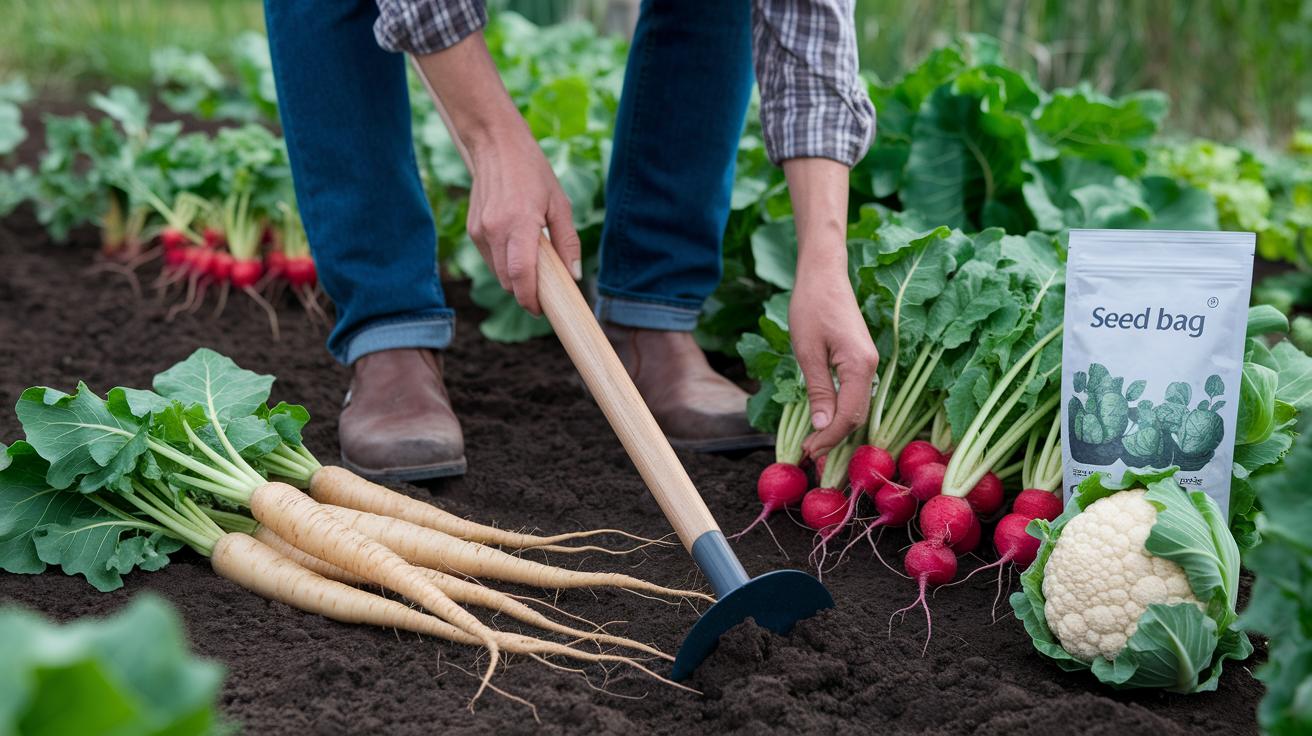
Kick off your farming adventure on Day 1 by getting your plot ready. First, clear out the old debris and break up the soil with your humble hoe. Grab that seed bag and plant some Parsnips, Radishes, and Cauliflower. Remember: Parsnips grow in 4 days and bring in about 35g, Radishes take 5 days for 50g, and Cauliflower, though it needs 12 days, rakes in a cool 175g. Fun fact to kick things off – before Marie Curie became a famous scientist, she carried radioactive test tubes in her pockets, not knowing the risks that lay ahead!
Every day, make sure you water your fresh crops. At first, you’ll be watering by hand because sprinklers aren’t in your toolkit yet. Later on, sprinklers will save you loads of time by watering nearby tiles automatically each morning. So, check your fields daily, pull up any crops that are ready, and plant more seeds to keep things rolling.
It’s all about finding a rhythm. On Day 1, focus on tilling and planting. Come Day 2, water every crop and maybe drop by Pierre’s shop to grab some extra seeds. Day 3 is your time to double-check those water levels, making sure nothing dries out. And then, on Day 4, your Parsnips are ready for harvest – a sweet first profit that’ll get you pumped for what’s ahead!
Stick to this daily routine. Consistent care like watering and replanting not only gives you early wins but helps build a strong, thriving farm. Each day builds on the last, setting you up for long-term success.
For more tips and step-by-step instructions, check out the video game walkthroughs at https://funcomputers.com?p=247.
Crop Rotation Masterplan for Stardew Valley Farming Walkthrough

Kick off your farming by mapping out your Spring plantings. Get those deadlines on lock, parsnips need just 4 days to grow, while cauliflowers take about 12 days. This way, you can grab every bit of profit before the season wraps up. It’s like setting your own timer for each crop, so nothing gets left behind.
When Summer rolls around, switch gears to crops that keep giving back. Blueberries are a solid pick, they need 13 days to get started and then give you more fruit every 4 days, stacking up a cool 300g per bush in 28 days. If you want a change of pace, try melons, which take 12 days and bring in roughly 250g per harvest. And if you’re up for something different, plant hops. They start in 11 days and then produce every day, letting you turn them into a steady 25g per beer drop.
Come Fall, it’s time to aim for the big profits. Pumpkins take 13 days to mature and sell for about 320g, while cranberries can be a quick win with a 3-day regrowth period and two berries per plant. Feeling adventurous? Amaranth gives you the option to sell it for 150g right away or convert it into wine that fetches up to 450g.
A smart crop rotation plan mixes quick wins with steady regrowth, keeping your farm busy and earning in every season.
Watering Routine Tactics in Stardew Valley Farming Walkthrough

Kick off your morning by checking your crops one by one. Look for any thirsty plants and water them by hand. This way, you make the most of the daylight while touring your colorful farm. Later on, upgrade to sprinklers that water nearby tiles each day, saving you a lot of walking.
Manual watering means strolling through your rows to spot any dry spots. I remember one morning, I spent ages checking each row by hand. It was tiring, but I learned a lot about where to improve.
With sprinklers, you can set them up in smart spots so they cover as many tiles as they can. This change saves time and keeps you fresher for big game days.
Timing’s really important. Water your plants early so they start off strong, and plan your farm so the sprinkler areas and your manual watering paths work smoothly together.
Don’t forget about setting up scarecrows to keep birds away from your crops without any extra hassle.
When you plan your farm layout, think of the manual and sprinkler zones as teammates. Each little step you take makes your farm more efficient and keeps your farming experience fun.
Fertilizer and Seed Supplier Guide for Stardew Valley Farming Walkthrough

Before you start planting, know where to grab your seeds and fertilizer. Pierre’s is your top spot during the day (9 AM to 5 PM, except on Wednesdays) if you need quality supplies. You can also swing by JojaMart across the river for similar finds. Both places offer a good mix of seeds for every season and keep a bit of fertilizer in stock to give your crops that extra boost.
Fertilizers in Stardew Valley change how fast your crops grow and how high their quality stars go. Picking the right one means your plants might be ready sooner and even sell for more. For example, tossing some basic fertilizer on your parsnip seeds can speed up your harvest and bump up the quality. It’s like giving your crops a power-up that makes them grow faster and become more valuable. One cool tip: always check the fertilizer instructions before you spread it on your tilled soil.
Remember, high-quality crops can really boost your market earnings. A well-fed crop not only ripens quickly but also pulls in a better price per unit. As you grow your farm, try different types of fertilizers, especially on the high-value plants. Mixing quality seeds, timely fertilizer use, and smart crop rotation can turn a modest farm into a cash cow with rewards that keep building over each season.
Here’s an awesome nugget of info: applying fertilizer right is like giving your crops a secret speed boost that turns an ordinary harvest into an epic win.
Animal Rearing Fundamentals in Stardew Valley Farming Walkthrough

Start off by getting your coop and barn set up just right for your play style. In the coop, chickens are your go-to because they lay eggs every day. A normal egg earns you 150g, and if your chicken produces a large egg (it needs 10 hearts of love), you get 200g. If you mix it up with ducks, they drop duck eggs every two days for 95g. And with rabbits, there's a fun twist, they might drop a Rabbit’s Foot (about a 10% chance) and give you wool every three days worth 400g.
Over in the barn, focus on animals that earn you more cash and give high-yield products. Cows are a must; they churn out Milk daily for 150g, and if you grab Large Milk with a Gold Milk Pail, that's 250g. Goats come through with 200g of Goat Milk every day, while sheep, like rabbits, deliver wool every three days for 400g.
Don’t forget to pet your animals each day, this little act boosts the quality of their products by 25%, almost like giving your favorite game character a health boost before a boss fight.
Here’s a quick checklist to keep things running smoothly:
| Time | Task |
|---|---|
| Morning | Feed your animals |
| Daily | Pet every animal to boost their output |
| Whenever ready | Collect their products |
This simple plan makes your farm run smoothly and steadily increases your daily income. A few extra minutes of care each day add up big time, just like gearing up for an epic in-game raid.
Greenhouse Cultivation Secrets in Stardew Valley Farming Walkthrough
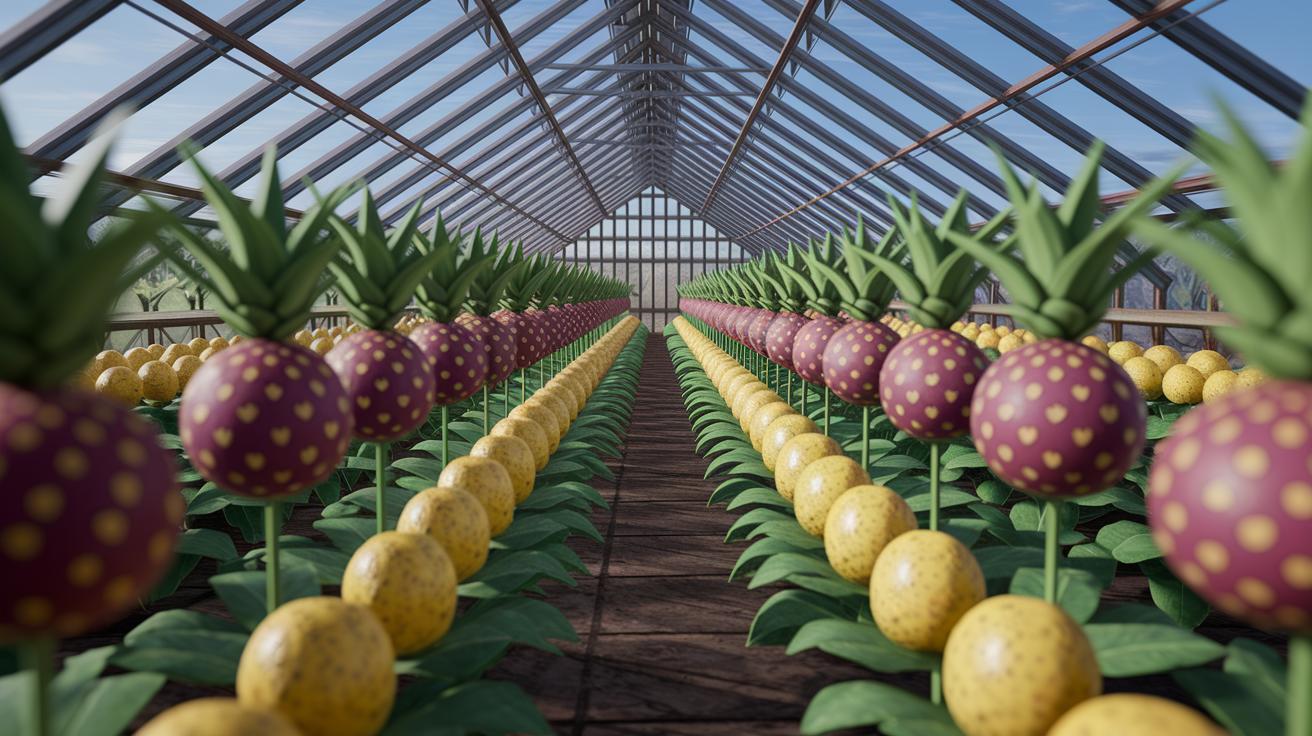
Getting your greenhouse up and running is a huge win in Stardew Valley. You can unlock this cool spot by finishing Community Center bundles or by joining JojaMart. Once it's yours, you can grow crops all year with no seasonal limits, which makes farming way easier.
Think of your greenhouse as a cash-making machine. Try planting Ancient Fruit first, a crop that regrows every 28 days and brings in about 550g per keg harvest. Then, mix in some Starfruit, which grows in only 13 days and sells for around 750g. Arrange these crops neatly in rows so watering is a breeze and every tile gets used.
Don’t forget to dedicate a section for fruit trees. A smart layout not only saves time but also creates a steady money flow, no matter the season. Your greenhouse is like a secret weapon to boost your farm's profit year-round. Play around with different planting orders and change things up when needed. Every tweak gets you closer to a thriving, all-season farm.
Final Words
in the action, we've walked through setting up your Stardew Valley farm. We covered planting basics, watering tactics, and vital tips on using fertilizer and proper seed buying. You even got a glimpse into animal care and greenhouse secrets for year-round wins.
This stardew valley farming walkthrough packs clear steps to boost your farm's productivity and connect with a lively community. Keep those crops rolling, and enjoy each rewarding moment on your digital farm!
FAQ
What does the Stardew Valley farming walkthrough PDF offer?
The PDF means a detailed day-by-day guide that shows basic tasks, crop planting, and daily routines. It is perfect for beginners trying to get a strong start on their farm.
What does the Stardew Valley farming layout cover?
The layout covers planning where to plant crops, set up watering paths, and place scarecrows and sprinklers. It helps you set up an efficient and organized farm.
How is the Stardew Valley farming guide on Reddit helpful?
The guide on Reddit gives tips and advice from fellow players. It covers topics like crop choices, watering methods, and fertilizer use to boost your farm income.
How does the Stardew Valley farming experience calculator work?
The experience calculator shows how daily tasks add up farming XP. It helps you see progress and know how simple actions improve your farming skills and overall level.
What does Stardew Valley farming skill and levels mean?
The farming skill reflects the XP you earn from planting, watering, and harvesting. Higher levels unlock benefits and tips that improve how your farm runs.
What is a Stardew Valley farm planner?
The farm planner is a tool that lets you design your farm. It helps you visualize crop areas, animal spaces, and structure placement to maximize your farming efficiency.
How can a Stardew Valley new farm guide help you?
The new farm guide outlines early steps like tilling the soil, planting seeds, and building basic routines. It gives simple tips to set up a good and profitable start.