


Ever noticed how game visuals can totally change your experience? Art in games isn't just about bright colors. It's about thoughtful design that makes every scene stick with you.
In this look behind the scenes, we explore how light and shape team up to set the mood. We even compare old school tricks to modern techniques to show you how art powers gameplay. Get ready to see how smart design makes every moment of your game feel epic!
Core Principles of Game Art Review: Evaluating Visual Aesthetics and Design Quality

Game art review is all about checking out a game's look and feel. It’s like a behind-the-scenes peek at how colors, shapes, and lighting mix to create that vibe you feel when you play. You’re not just judging the pretty pictures, you’re also seeing how the art fuels the game itself. Think of it as breaking down a painting, but one that reacts to you as you play.
Experts really add spice to this kind of review. For instance, keep an eye out for Matt Sainsbury’s upcoming Game Art, which digs into those sneaky details behind a cool title. Then there’s Chris Solarski’s Drawing Basics and Video Game Art, a sweet blend of old-school and modern techniques packed into 240 pages for just $12. Game critics have been doing this deep dive since 1981, so it's a tradition that really shows how much art matters in gaming.
Below are the main points reviewers focus on. These markers make sure that every bit, from the broad design to the tiniest detail, comes together to deliver an awesome visual journey.
| Metric | What It Means |
|---|---|
| Aesthetic Coherence | Do all the visuals blend nicely to create a unified look? |
| Style Consistency | Does the game stick to a clear visual style throughout? |
| Technical Execution | Are the details polished and well-implemented? |
| Creative Impact | Does the art spark feelings and ignite the imagination? |
In the end, all these bits help game designers create an experience that not only looks great but also feels right when you dive in. Isn’t it cool how much thought goes into every frame?
Comparative Game Art Review: Contrasting Classic and Modern Visual Styles

Classic Game Art Styles
Back in the day, game art was a whole different world. Early devs rocked pixel art and hand-drawn textures, using bold shapes and a few bright colors to make the game pop. Chris Solarski’s book breaks down these old-school techniques and shows why they still matter today. Imagine classic side-scrolling games, each sprite and background was crafted with care. Fun fact: early consoles only had 16 colors, so every pixel really had to work hard!
Modern Game Art Trends
Today’s game art is all about detail. Modern titles bring in rich textures, smart lighting, and layers that create amazing depth. Developers mix digital painting with real-time rendering to push the limits of what’s possible. They’re also mixing in new ideas from fantasy and sci-fi to keep things fresh. Solarski’s Kindle edition, a neat 240 pages for just $12, gives a quick look at these cool new trends.
| Style Era | Key Techniques | Representative Titles | Color Palette |
|---|---|---|---|
| Classic | Pixel art, hand-drawing | Arcade games, early platformers | Limited, vibrant |
| Modern | Digital painting, real-time rendering | Contemporary RPGs, open-world titles | Rich, dynamic |
Game Art Review: Assessing Color, Lighting, and Composition

Color theory lies at the core of how we enjoy game visuals. Great color choices set the vibe and guide you through the game world. Every hue tells a story, and mixing them well can pump up the energy or bring a calming feel.
Lighting design is super important when creating a cool gaming scene. Good light brings out textures and adds depth. Shadows and bright spots work together like a team, turning simple scenes into dynamic spots that draw your attention to the key parts.
- Color harmony
- Contrast and saturation
- Shadow and highlight detail
- Mood-driven lighting
- Composition balance
- Integration with narrative context
When you think about composition, it’s like setting up the perfect game level. A balanced layout helps your eyes flow naturally through the scene. Designers need to focus on how they place elements, their symmetry, and the overall rhythm. A smart, clear design not only boosts the game’s story but also makes the art feel more magical.
Game Art Review: From Concept Art to In-Game Graphics

Concept and Modeling
Game art kicks off with simple sketches that turn ideas into digital masterpieces. Artists start off with rough pencil drawings and quick notes about characters and settings. Take the Woodman Village project at Vertex School, for example, it shows how early planning sets the mood right from the start. These sketches act like a blueprint that captures the game’s vibe. Plus, experienced mentors often help new artists transform wild ideas into clear visual plans. One handy tip is, "Sketch your idea fast – think simple shapes and loose lines before refining details."
Texturing, Lighting, and Rendering
Once the basic shapes are down, it's time to add the details that really bring the art to life. Texturing means giving surfaces a look, like rough wood, smooth metal, or bumpy stone, and that can be a bit tricky. Some students learn the hard way using tools like Substance Designer, which can feel like a steep challenge if you're new. Good textures, though, add depth and realism. Then comes lighting: imagine a scene bathed in a soft glow that reveals every little corner. Lighting isn’t just about brightness; it sets the mood and draws attention to the cool details, like the dramatic moment before a boss fight.
Integrating into Game Engines
After texturing and lighting, the next step is to plug everything into a game engine, whether it’s Unreal Engine or another platform. This technical part makes sure every brushstroke, shadow, and highlight fits perfectly into the game world. The goal is to turn static images into dynamic scenes that react as you play. When everything clicks, the art becomes part of the game itself, pulling players right into the adventure.
Final Pipeline Considerations
Bringing game art from rough sketches to in-game graphics is all about balancing creative flair with technical know-how. Each step builds on the one before it, making sure the final visuals stay true to the original vision while also performing well in the game. Good planning, expert advice, and persistent testing are what turn cool ideas into stunning art that not only looks great but also tells an awesome story.
Game Art Review: Indie vs AAA Title Assessments

Indie game art stands out with a clear, simple style. Small teams and tight budgets mean every design choice is made with care. Many indie titles choose a minimal look, using bold colors and shapes that pack a punch. Imagine painting with just a few colors, each stroke chosen on purpose. Sometimes, a game will even use everyday sketches to create a storybook vibe that sticks with you.
On the flip side, AAA game art brims with detail and realism. Big studios use powerful tech to add advanced lighting, rich textures, and complex effects. Every element gets extra attention to create a lifelike, polished world. With plenty of resources, developers can really fine-tune each part. It’s like watching a blockbuster film where creative flair and tech wizardry join forces to wow you.
The difference in team size and budget really shapes the art style. Matt Sainsbury’s Game Art book even mentions that simple looks can hide deep creative talent, a truth for both indie and AAA games. Indie titles often go for a bold, direct style while AAA games layer multiple techniques for a richer experience. This shows how resources can steer creative choices and change how we feel when we play.
Game Art Review: Expert Tools and Methodologies
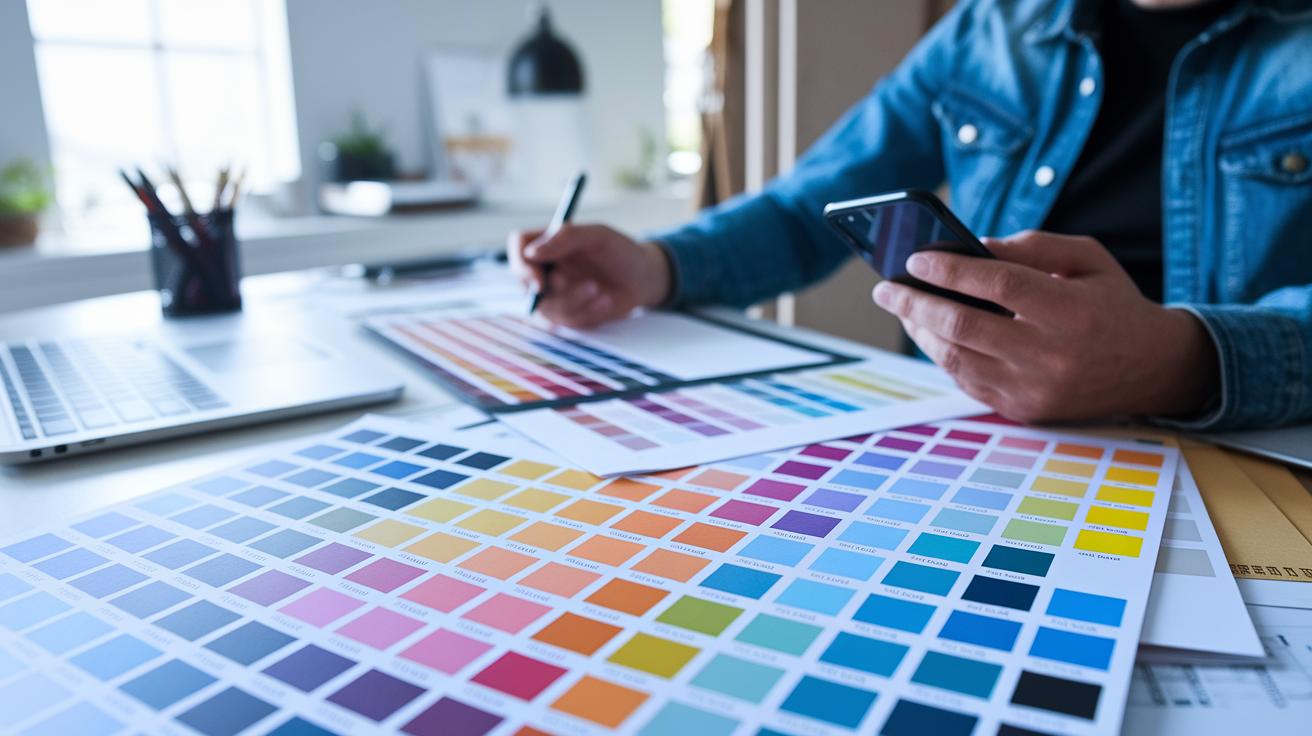
Visual test suites and reference boards work like secret cheat codes for art. Designers collect screenshots, sketches, and color samples so they can see if the visuals really capture the game’s vibe. Ever tried putting together a board of mood images that nails your vision? It’s a game changer.
Mid-project checkpoints are just like save points in your favorite game. At these breaks, creators hit pause to ensure the art is on track with the design goals. It’s like a live demo where every detail is checked for balance and feel, keeping the project on course.
Style consistency checks act as our rulebook. They help make sure every shape, color, and texture meshes perfectly across the game. This keeps the team aligned with the visual guidelines and lets reviewers quickly spot and fix any mismatches.
Trend analysis is our way of scouting new hacks in game design. Experts mix the latest design trends with review insights that date back to 1981. This fresh approach puts modern techniques and creative ideas in the spotlight, ensuring that every game art review feels innovative and on point.
Final Words
In the action, this post broke down how assessing visual aesthetics and design quality powers a solid game art review. It walked through core principles like color, lighting, and composition while comparing classic techniques to modern innovations. Steps from early concept sketches through detailed execution were covered, along with expert tools used by seasoned reviewers. The insights shared serve as a guide to sharpen your game art review skills and boost your visual critique. Keep exploring what sparks your creativity and elevates your overall gaming experience.
FAQ
Game art review reddit
The game art review reddit refers to community threads where gamers discuss and critique game visuals. It offers honest insights from fellow enthusiasts and tips for improving creative approaches.
games: agency as art pdf
The games: agency as art pdf points to a digital document discussing how video games use art to tell stories. It explains creative techniques and visual design strategies clearly.
Squid Game art
The Squid Game art search looks into the visual style and design of the hit series. It highlights bold color choices and striking imagery that enhance the show’s impact.
the a.r.t. project board game
The a.r.t. project board game refers to a creative game mixing art critique with strategic play. It challenges players to solve puzzles using visual cues and artistic elements.
Game artist
The game artist query covers professionals who craft visuals for video games. They design characters, environments, and effects that bring immersive, engaging experiences to life.
Nguyen games
The Nguyen games inquiry seeks works by a creator known as Nguyen. It showcases unique artistic styles and innovative design choices that set these projects apart.
Games: Agency as Art audiobook
The Games: Agency as Art audiobook mentions a spoken version that explains game art and design concepts. It serves as an accessible resource for learning about creative aesthetics in gaming.
Game Arts degree
The Game Arts degree discussion explores academic programs that focus on game design and visual storytelling. These programs equip students with practical skills in digital art creation and creative critique.
How hard is it to get into game art?
The question on entering game art indicates that breaking in requires dedication, strong portfolios, and networking. Aspiring artists must combine technical skills with creative passion to succeed.
How much does game art make?
The game art earnings query shows that pay varies based on experience and role. Salaries tend to be competitive, reflecting the artistry, skill, and creativity involved in the work.
Is game art and design worth it?
The game art and design worth question suggests that many find the field rewarding. It merges technical skill with creativity, offering satisfying challenges and opportunities for career growth.
How much to charge for game art?
The pricing query for game art suggests fees depend on project complexity, experience, and market rates. Artists typically set prices that cover time spent, creative effort, and technical expertise.