

Have you ever noticed how some players always seem to be one step ahead? It isn't just about fast reflexes; it's about making smart moves that catch your rivals off guard. Think about it like setting up a trap in your favorite strategy game, where every move you plan really counts.
In this guide, we'll break down how good timing and smart positioning can give you the upper hand. You'll learn how to plan your moves like setting up a clever chess play, turning ordinary rounds into big wins. Get ready to boost your game as you start planning every step before the action really heats up.
Core Principles for Mastering Timing and Positioning in Competitive Matches
Modern competitive gaming isn’t just about having lightning reflexes. It’s like setting up a perfect chess move, you plan each step ahead of time. Picture this: you gear up to block an enemy before they even try to strike, setting your defenses with care. This smart planning beats just relying on raw speed because you’re readying traps and counterattacks even before your rival thinks about their next move.
Staying ahead means catching those meta shifts early. Keep an ear out for game updates and subtle tweaks, like listening for a secret tip from a buddy. Different game genres, whether it’s an FPS or a MOBA, demand their own unique tactics, so try to adjust like you’re switching your play style as fast as the patch notes roll in. This proactive mindset helps you stay a few steps ahead, always ready for what’s coming next.
Keeping up with the game’s mechanics is a non-stop quest. Regularly check on character skills, weapon stats, and balance tweaks as if you’re scanning a cheat sheet for hidden clues. Each new update is a fresh chance to fine-tune your strategy and make your gameplay even better. In truth, this cycle of learning and adapting is what turns a good player into a true competitive master.
Foundational Drills for Precision Timing and Movement
Structured practice can be a total game changer. When you set aside time for focused drills, you build up muscle memory and boost your reaction speed. Think of it like crafting your own mini training ground where every move counts. With regular practice, you sharpen your in-game movements and fine-tune your timing, turning each session into a step toward more precise play.
-
- Aim-trainer reaction tests – Use special tools and tweak your sensitivity (check out the gaming mouse sensitivity settings guide) to speed up your reactions.
-
- Custom movement-only maps – Jump into maps made just to hone your movement skills.
-
- Map-control flash drills – React quickly to simulated enemy pings to up your map awareness.
-
- Team-call reposition exercises – Practice callouts that push you to reposition quickly and accurately.
-
- Replay-based timing reviews – Watch your recorded gameplay to spot any timing slips and missed chances.
-
- Personalized stat-tracking sessions – Use game-analysis tools to keep track of things like headshot ratios, grenade misfires, and movement heatmaps.
Tracking your progress with analytics tools is key. By reviewing data from replays and heatmaps, you can see what’s working and tweak your practice sessions for even sharper, faster moves.
Spatial Control Tactics: Strategic Spacing and Zone Management
Zone management is the secret sauce that directs your match's rhythm. When you grab important spots, you throw off your enemy's rotation and set up chances for surprise strikes. Chatting and using pings with your team makes it super easy to track enemy moves and quickly shift your defense. Hold the right areas, and your rivals end up following predictable paths, letting you pull off those epic winning plays.
| Zone Type | Positioning Focus | Benefit |
|---|---|---|
| Flank Zone | Cover pressure flanks | Catch opponents off-guard |
| High Ground | Vision and control | Timing for ambushes |
| Choke Point | Defensive hold | Limit enemy rotations |
| Neutral Area | Flexible staging | Quick support shifts |
Getting a grip on these zones can totally change your match's flow. Whether you're quickly rotating or hanging tough in a spot to counterattack, these spatial tactics help you tip the scales in your favor. In truth, owning these areas means your team can set the game’s pace and secure that lasting edge against your opponents.
Adaptive Tempo Management in Competitive Play
Patch notes are like secret hacks for any serious gamer. When you read them, it's not just about what’s new, it’s about tweaking your style to match those updates. Every time a change drops, use it as a tool to adjust your rhythm on the fly. Keeping cool during intense rounds is key because staying calm helps you keep your pace steady even when things get wild. Instead of throwing random bursts of attack, a steady, consistent play lets you steer the game your way. It’s all about having the right tempo so you can quickly reset when things don’t go as planned.
In the heat of a match, timing is everything. Push your attack to break up your enemy's plan and know when to pull back to regroup. Mix it up with careful pauses and sudden advances so that each move fits into your overall game plan. By blending smart offense with solid defense, you create a rhythm that forces your opponents to constantly react. Balancing your strikes with timely retreats turns tiny timing shifts into a solid strategy for taking control of every round.
Predictive Positioning: Anticipatory Timing for Pro-Level Play
In big tournaments, you often see the pros dive into key zones before anyone else even notices. They seem to have a sixth sense, picking up on tiny hints like animation cancels or wind-ups that signal an enemy's coming attack. One cool example? A player read his opponent’s moves perfectly, jumping into a contested spot just in time to flip a defense into a surprise strike. That early move is a game changer.
Want to sharpen your skills? Try setting up custom practice drills. Create scenarios where you predict where the enemy might move, almost like planning your next step in a tricky boss fight. Watch their animations and wind-ups closely, then use that info to time your own entry. These exercises build not just speed, but also that spark of intuition and perfect timing that can turn any match around.
Game-Specific Meta Mastery and Positioning Adjustments
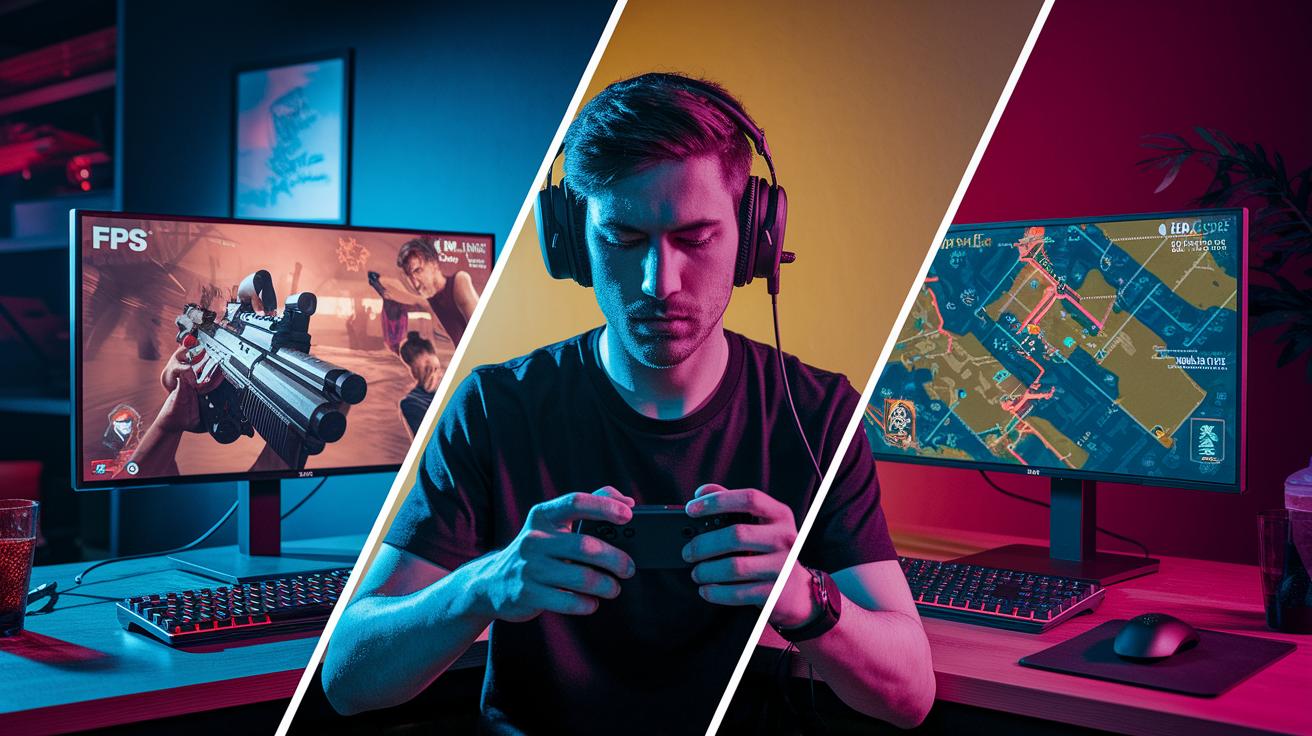
Every game has its own groove, you gotta adapt your play style. For example, FPS games need quick, precise moves and sneaky peeks, while fighting games are all about nailing those combos and smart counters. And when you’re in a MOBA, it’s about smart rotations and grid-based moves. Basically, what beats it in one game might totally flop in another.
Keep yourself in the know. Make it a habit to check out patch cycles (like how you’d track your favorite game’s updates) to tweak your character’s route and get a feel for fresh action windows in practice mode. Watch your game replays to catch how small tweaks can change your timing and spot positioning. Try setting up custom drills that let you hone your pace, whether it’s lightning-fast reactions in an FPS or carefully timed attacks in MOBAs. Over time, these small changes not only up your game but also help you figure out the best paths and speeds during matches, keeping you one step ahead of everyone else.
Tracking Progress and Avoiding Pitfalls in Timing & Positioning
Keeping tabs on your progress is all about using key game stats and listening to your crew. Watching pro streams and replaying tournament clips can show you exactly where you stand. Look at metrics like your reaction speed, how well you secure a spot, and whether your calls hit the mark. These numbers, along with community feedback, remind you what’s working and what might need a tweak.
Staying fresh isn’t just about clocking in endless practice. Instead of marathon sessions, carve out time for breaks to dodge burnout. Set small, real goals, like mastering a new move or climbing a competitive rank, and take a moment to celebrate each win. This steady progress proves that a steady pace beats big bursts of high-energy play every time. And hey, knowing when to step back, catch your breath, and come back recharged makes every session count.
Keep focusing on a simple check-up of your performance paired with friendly advice and your own milestones. This way, you build a routine that sharpens your timing and positioning without pushing you into overdrive.
Final Words
In the action, you explored core concepts of timing and positioning through clear drills and smart strategies. The post broke down key points, from tuning your movement and refining spatial control to adjusting play with patch updates. Every segment helped show how even small tweaks can boost your game. This guide to mastering timing and positioning in competitive games is your tool to sharpen skills and elevate play. Keep practicing, stay determined, and let every match drive you to new wins.
FAQ
What does the guide to mastering timing and positioning in competitive games free/qui cover?
The guide details key drills and tactics, from aim-training to spatial control, to help you sharpen timing and positioning skills and boost your overall competitive performance.
What does it mean when someone says, “I’m done with competitive games”?
Saying “I’m done with competitive games” usually reflects burnout or frustration, suggesting a need to take a break, refocus on fun gameplay, and revisit competitive play later.
What is competitive gaming on Reddit all about?
Competitive gaming on Reddit refers to community discussions and shared tips where players exchange advice, strategies, and experiences to improve performance in their favorite competitive titles.
What is a TFT positioning tool or guide?
A TFT positioning tool or guide helps you arrange your characters effectively based on game updates and tactics, aiming to boost team synergy and give you better odds in battles.
What does competitive gaming mean?
Competitive gaming means playing video games in a structured setting with ranking systems, where skills like timing, positioning, and strategy help determine who wins the match.
What are the 3 C’s in games?
The 3 C’s in games stand for communication, coordination, and control, which are key ideas that influence teamwork, strategy planning, and in-game decision-making.
What is the 40 second rule in gaming?
The 40 second rule in gaming describes a brief window where rapid regrouping or decisive action is needed, testing your timing and strategy to turn the tide of a match.
What are the 4 elements of game mechanics?
The 4 elements of game mechanics typically include control, rules, feedback, and challenge, which together shape how you interact in a game and the overall gaming experience.
Are 87% of games lost really a common occurrence?
The claim that 87% of games are lost hints at the steep skill balance in competitive play, where minor errors in timing or positioning can lead to losing a match.