


Ever wonder if the adrenaline of your favorite action game comes from slick combat moves? Seasoned players say each punch, block, and dodge is all about rewarding skill and quick reflexes.
In this post, we'll show you how clear visuals, sharp sound cues, and tight feedback make every hit count. We'll dive into smooth combo chains, well-timed counters, and spot-on targeting, just like coordinating in a fun co-op match.
Ready to discover what makes every in-game clash feel so exhilarating? Let's jump in!
Comprehensive Expert Breakdown of Combat Mechanics in Action Games

Combat mechanics are the heartbeat of action games. They pull you in with a fast mix of attacking and defending that feels instantly fun. Clear character abilities, handy tools, and a camera that reacts right when you do all work together to make the game feel both exciting and easy to jump into.
These systems keep the combat loop solid by focusing on striking, blocking, and dodging. Cool audio-visual hints like hit reactions and flashes make you feel like you're really in the action. Designers lean on solid game studies ideas so every choice and move feels spot-on.
All these elements merge into a smooth, engaging combat scene. Meaningful choices let you shape your strategy, while smart feedback, like visual pops and sound cues, signals every move you make. This blend of clear design and perfect timing creates combat that rewards skill with every hit. When every part, from character skills to enemy behavior, is tuned just right, the system runs like a well-oiled machine, keeping the thrill high and the game satisfying.
Core Pillars of Tactical Encounter Evaluation in Action Combat
Imagine jumping into a battle where four key elements sync up like a great co-op run. First up is initiative order, which tells you who gets to make the first move. Then there’s combo chaining, nailing those move sequences feels so satisfying because each hit ramps up your damage like stacking power-ups.
Next, think about parry and counter systems. They’re all about timing your defense and striking back at just the right moment, kind of like blocking an enemy attack and turning it into your advantage. And with precision targeting, you have to lock onto those vulnerable spots, much like spotting a weak boss in a raid. You know it’s all about balancing bold moves with careful play.
When you mix these parts together, combat turns into a dynamic and tactical dance. You’re continually planning, reacting, and adjusting, sort of like plotting your next big strategy while dodging enemy fire. In truth, this blend keeps every encounter fresh and thrilling, pushing you to think on your feet just like in an intense multiplayer match.
Weapon System Scrutiny: Projectile vs. Melee Mechanics Analysis
Weapon balance is super important in any great game. Every shot and every swing should feel rewarding. Whether you’re blasting enemies with guns or clashing weapons up close, key numbers like how fast you shoot, how much you recoil, and how damage drops off with distance, or, for melee, how long your reach is and how quickly you can attack, make a huge difference. Even small changes can tip the scales in a match, whether you’re fighting against bots or real players.
Projectile Weapons Analysis
When you’re fighting from far away, things like rate of fire and how you handle recoil are key. Quick bursts can be awesome, but they come with the trade-off of more kick. Also, the damage your bullet does drops the farther it goes, making you think about when to charge in close or stay back. All these bits work together to keep the fight fun and fair.
Melee Systems Audit
For up-close battles, clear details matter a lot. The reach of a melee weapon and the timing of each swing tell you when you can land a hit and how soon you’re ready to attack again. Getting the hit detection right means every swing feels just as powerful as you expect. A well-tuned melee system makes every punch or sword slash extra satisfying.
Special Ability Calibration
Special moves add that extra burst of strategy. They come with their own timers and resource costs so they don’t steal the show from regular attacks. By tweaking things like cooldowns and how much it costs to use a move, designers can keep the game feeling fresh and balanced.
| Weapon Type | Key Metrics | Balance Considerations |
|---|---|---|
| Firearms | Shots per minute, recoil, accuracy | Distance vs damage trade-off |
| Melee | Reach and timing | Hit window vs damage output |
| Abilities | Cooldown time and effect area | Resource cost vs overall usefulness |
Movement Fluidity Study and Animation Cadence Evaluation in Combat
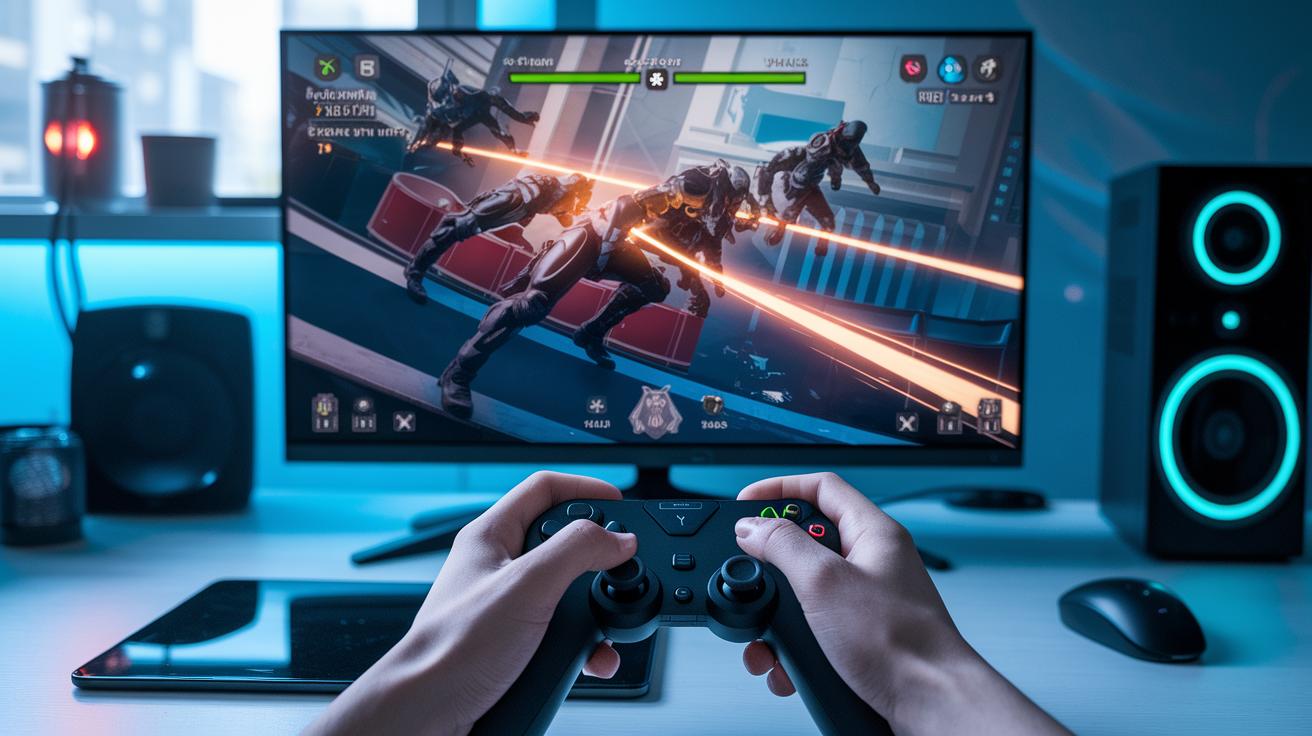
Smooth controls and a responsive camera can totally change the vibe during battle. When your actions show up on screen right away and the camera follows your every move without a hitch, it truly makes you feel in charge. This link between your button presses and on-screen action creates a game world that pulls you in so you can focus on your tactics rather than messy glitches.
Clear animation helps you read every move easily. The rough sketch phase shows basic movements, the mid-phase polishes them up a bit, and the final stage delivers that shiny, ready-to-play finish. You can quickly tell when a character is gearing up for an attack or getting ready to block. These clear cues mean you can plan ahead better, making the combat flow smooth and each move dreamily connected to the next.
When it comes to chaining moves, timing is everything. Each combo needs to link smoothly with the next to give you obvious hints on what to do next. This natural rhythm not only boosts your confidence during fights but also makes every punch and parry feel rewarding and thrilling.
AI and Adaptive Challenge Evaluation: Enemy Response & Difficulty Scaling
Smart game AI makes each battle feel real. Enemies use tactics like covering fire, flanking, and coordinated assaults that make you feel like you’re really in a firefight. They move, adjust, and react just like a teammate would, creating surprise moments that keep you on your toes.
The challenge ramps up as the game learns your style. When you throw a lot of solid hits or dodge with precision, the enemies get sharper. For instance, if you keep outmaneuvering them, they might tighten their formations, try sneaky flanking moves, or even call for backup. Each enemy can act a bit differently, some might wait before attacking while others strike back fast, making every encounter feel new and exciting.
Developers tweak things like enemy reaction time, attack frequency, and smart moves to keep the game fun for everyone. Whether you’re just starting out or you’re a seasoned player, every fight challenges your skills and keeps the game engaging.
Performance Benchmarking Study: Frame Rate Impact & Input Responsiveness Testing
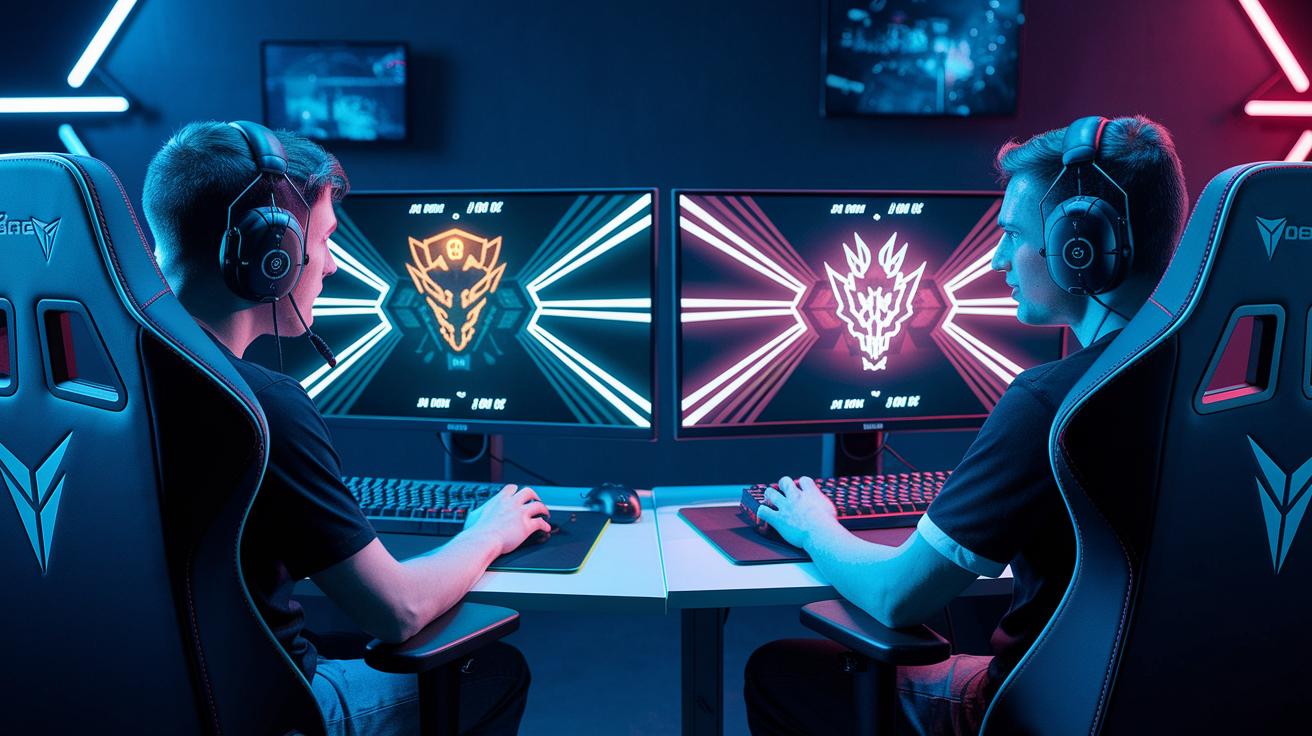
When you're deep in a fight, every frame counts. Smooth animations and sharp hit detection are like your trusty teammates that keep the fight fair and fun. Even a tiny drop in frame rate can mess up your timing, making that button press feel off-sync with what’s happening on screen. It’s like your perfect combo suddenly goes haywire, frustrating when you’re trying to land that finishing move. Designers check every frame to ensure your swings and blocks feel just right, keeping every move natural and responsive.
Input delays can ruin the rush too. A slight lag in translating your button press might turn a critical hit into a miss or throw off your dodge during an epic moment. Developers run input tests to catch these hiccups early, much like tweaking a game level until it feels just right. They also study network lag to polish up features like aim-assist and prediction systems, helping to smooth out the bumps and letting your skills shine. In the end, these adjustments make sure your actions hit the screen immediately, keeping the gameplay tight even under tricky conditions.
Comparative Case Studies for Advanced Fray Breakdown in Leading Action Games

We picked a few games that really stand out for their unique fighting styles and how players perform. We looked at games with cool combo moves, deep skill growth, and smooth cooldown tricks. These titles show how different design ideas change the way a game feels and why players love them.
| Game Title | Player Base | Core Combat Features | Avg Rating |
|---|---|---|---|
| MMORPG X | 8.5 M | Intuitive combos, group synergy | 88/100 |
| MOBA Y | 152 M | Skill trees, cooldown mastery | 91/100 |
| ARPG Z | 2 M | Scaling difficulty, precise targeting | 92.8/100 |
These studies shine a light on what makes combat in action games super fun. For example, MMORPG X brings in tight team play and smooth combo flows. MOBA Y uses deep skill trees and well-timed cooldowns to keep players hooked. And even though ARPG Z is on a smaller scale, its clear-hit targeting and well-balanced difficulty earn high praise.
Looking ahead, game designers can mix quick, easy moves with a bit of strategy to keep every part of the game, from resource moves to player feedback, feeling sharp and exciting.
Final Words
In the action, this article broke down core combat elements like tight controls, crisp visuals, and clever enemy AI that keeps players on their toes. It covered how clear animation timing and balanced weapon systems boost fun and skill. Each section built on the idea that smooth movement and thoughtful system design make games feel more alive. The write-up leaves you with a clear Expert assessment of combat mechanics in action games that inspires smarter play and creative battles. Game on!
FAQ
Q: Where can I find expert assessments of combat mechanics in action games in PDF, Reddit posts, or free formats?
A: The expert assessments of combat mechanics in action games are available as free PDFs, discussed on Reddit threads, and offered through online sources, providing detailed insights into game combat design.
Q: What are the types of combat systems in games and how do they work?
A: The types of combat systems in games include real-time, turn-based, and hybrid forms. Each system outlines unique player actions, AI responses, and feedback methods that create engaging fight sequences.
Q: What is a combat system in games and why is it important?
A: A combat system in games refers to the set of rules and mechanics that define how battles are fought. It influences player choices, enemy behavior, and overall game engagement.
Q: What is the purpose of a combat mechanics plugin in game development?
A: A combat mechanics plugin provides pre-made combat functions that developers can integrate into their games. It streamlines implementing interactive combat actions, enemy AI, and feedback loops for better playability.
Q: What does a combat designer do in action game development?
A: A combat designer creates and fine-tunes battle systems by balancing mechanics, controls, and visual feedback. Their role ensures that fights feel intuitive, challenging, and enjoyable throughout gameplay.
Q: What does the term “combat mechanic Army” refer to in game design?
A: The term “combat mechanic Army” likely refers to a robust collection of combat tools or a team of specialists working together to build and refine effective, consistent combat systems for gaming projects.