
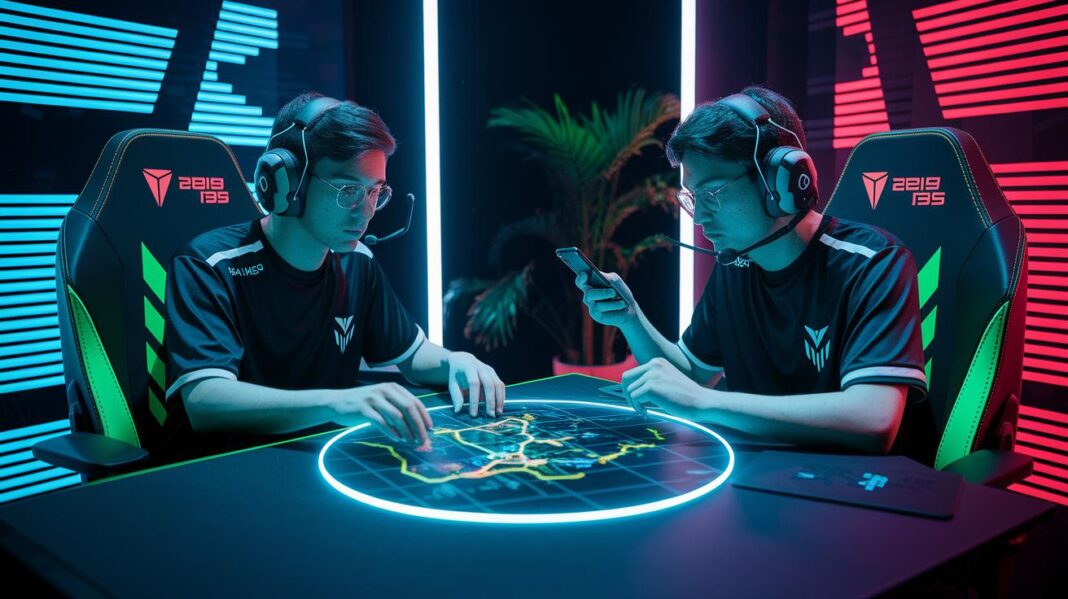

Ever been in that match where nothing seems to work? This guide walks you through some cool combat techniques step by step so you can flip the script on every fight.
Think of it like breaking down your favorite game move by move and getting each hit just right until you're totally unstoppable. We cover everything, from mastering your controls to playing smart with the game world around you.
Smart play will boost your skills and put you ahead of the pack. Ready to up your game with some solid tactics?
Step-by-Step Combat Tactics Framework
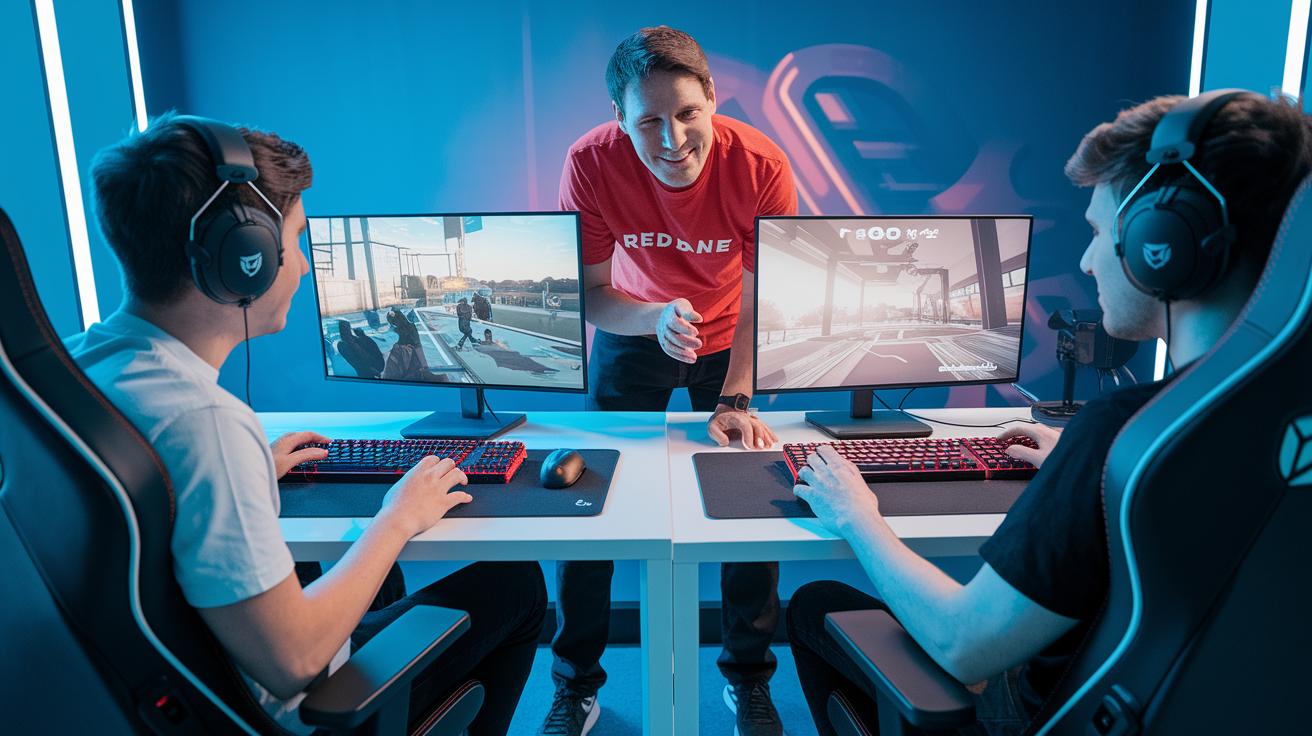
If you're diving into the heat of battle, we've broken down the process into five easy steps that guide you from beginner basics to high-level plays. Think of it like leveling up your character, start by mastering the fundamentals and then unlock epic combos.
-
Learn your controls.
Get comfy with your character’s moves and the game's rules. Nail down the basics to build that muscle memory, just like practicing your favorite move over and over. -
Watch how enemies act.
Take a good look at your foes in different situations. It's like studying an opponent's playbook so you can predict their next move. -
Practice your timing.
Work on planning your attacks ahead of time. Imagine setting up a perfectly timed combo in a fighting game, that’s how you stay one step ahead. -
Use your environment.
Make the most of the terrain and in-game objects. Whether it’s ducking behind cover or using a tricky obstacle, these interactions can really turn the tide. -
Review and improve.
Check out your gameplay replays to spot any mistakes, learn from them, and get even better with every match.
Follow these steps and you’ll transform your gameplay from solid basics to high-level combat, always learning and evolving in the virtual arena.
Precision Battlefield Timing and Sequence
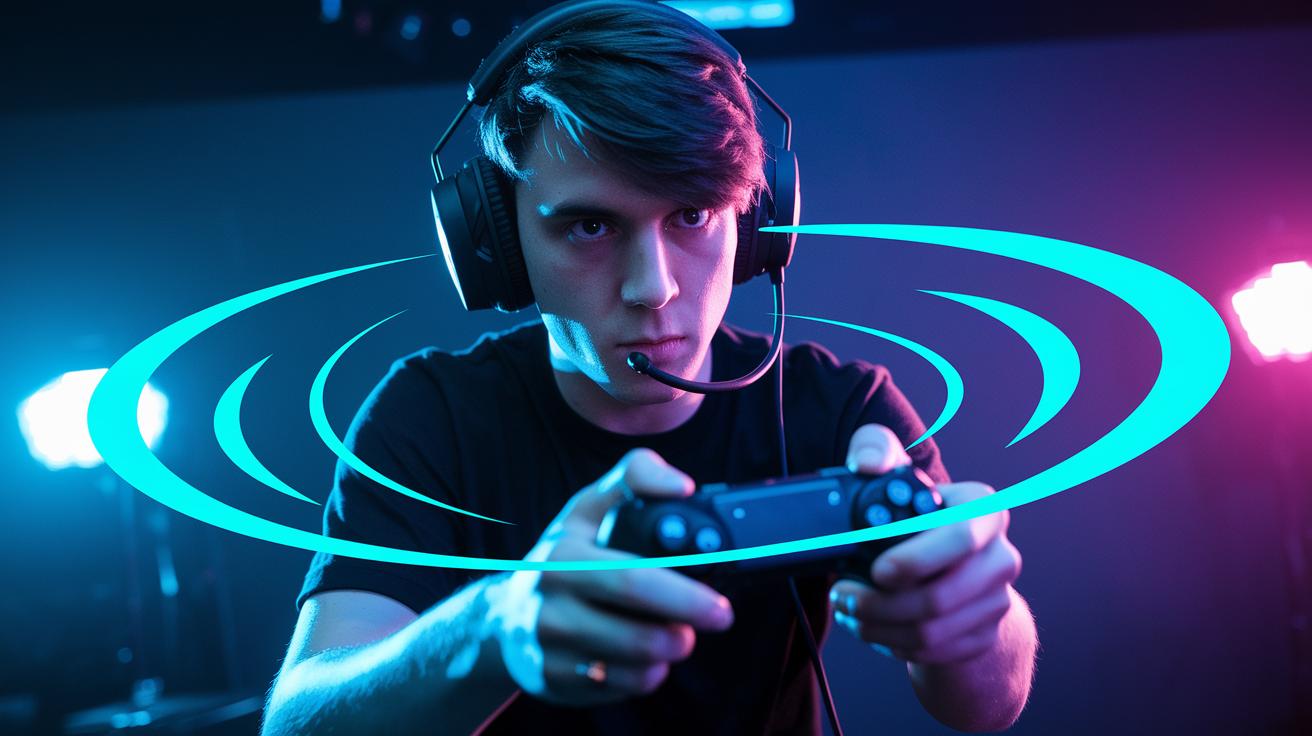
When the battle heats up, every second counts. You need to know when to hit, when to hold back, and when to reset your move for that perfect strike. In any fight, it all breaks down into three parts: input, animation, and recovery. Each has its own prime moment. Look out for hints like blue swirl patterns that tell you, "Yes, you nailed it!" Plus, aim-assist tools help line up your winning shot when timing is key.
| Phase | Action | Optimal Input Window |
|---|---|---|
| Input Mapping | Button press starts action | Right when the cue pops up |
| Animation Frame | Visual hit registration | At the animation’s peak |
| Recovery Frame | Reset for the next move | During a quick cooldown |
Input and Animation Phases
Your button-press timing can make or break a combo. It’s like pulling off a perfect move in your favorite fighting game. When the animation is just right, a quick tap can make all the difference.
Camera Lock and Aim Assist
Sometimes, locking on changes everything. Hard-lock targeting gives you sharp aim for steady shots, while soft-lock offers more freedom in wild, hectic battles. Aim-assist smooths out small timing slip-ups, making sure every shot you take can really count.
Master these timing tricks and watch your battle skills soar.
Movement, Positioning, and Flanking Tactics
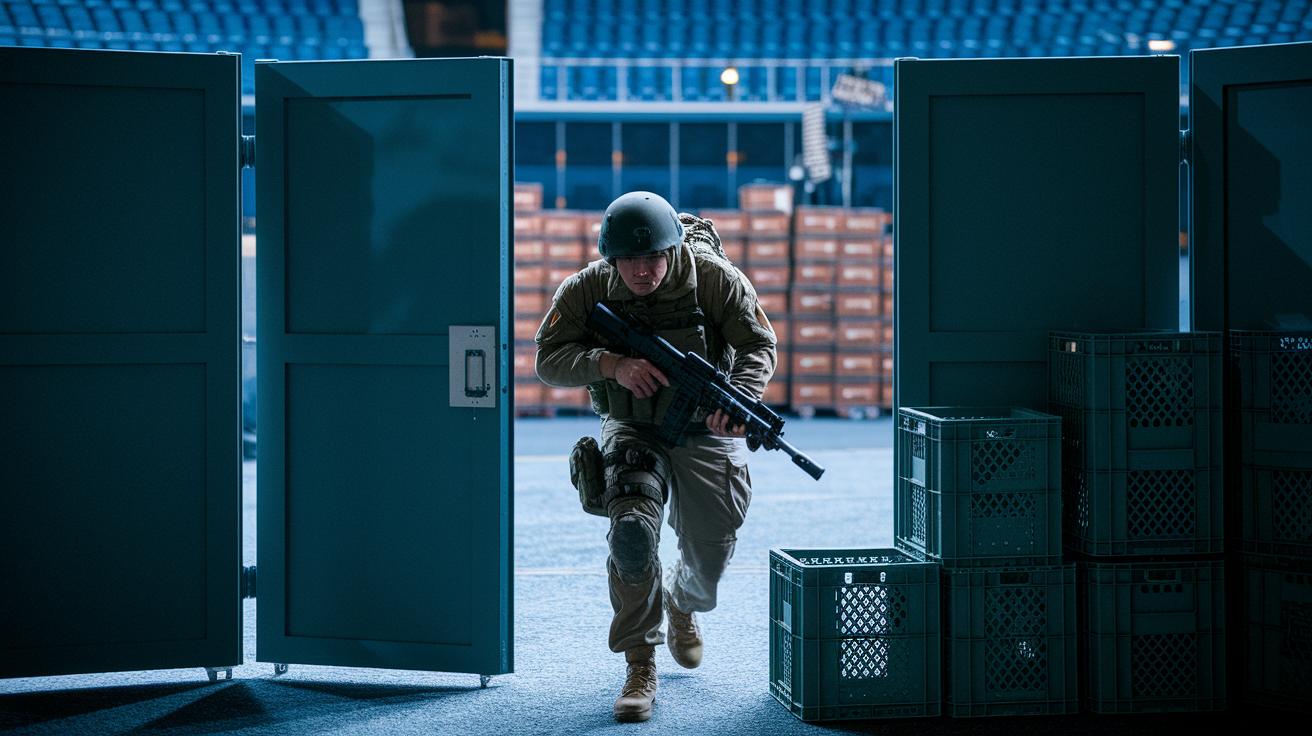
Good movement in battle isn’t just about getting from one point to another. It’s about picking the right route and using your surroundings, like doors, crates, or ledges, as handy spots for cover or surprise attacks. Staying smooth on your feet means you can dodge enemy shots and keep them guessing about where you’ll appear next. Knowing your terrain helps you find safe places to hide and steer clear of open areas where you might get spotted too quickly.
When planning flanks or setting up a timed ambush, keep your eyes peeled. Watch how the enemy moves to figure out the best time and place to act when they aren’t ready. By mixing good awareness with fast, smart moves, you can catch opponents off guard. It’s all about timing your play right; striking when your enemy’s back is turned can totally change the game.
Weapon Handling and Control Mastery
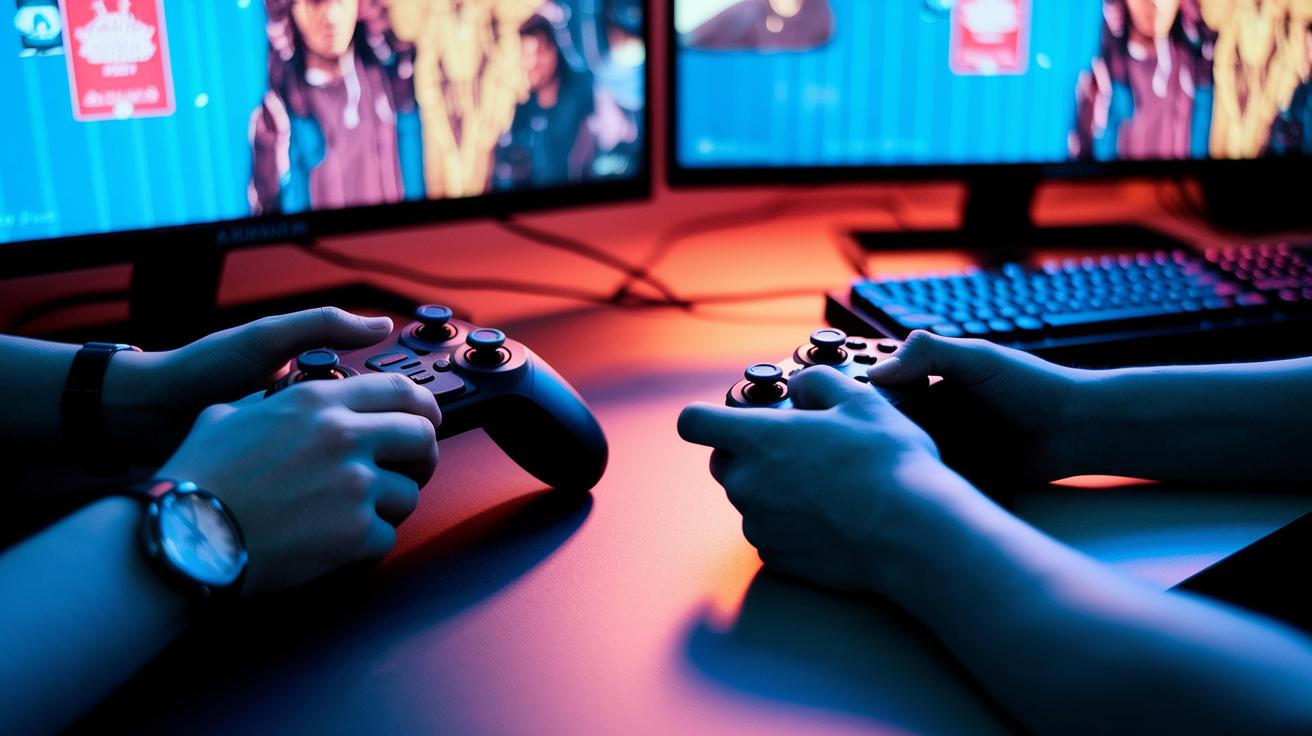
Getting your controls just right can really change your game. When you set up your own control scheme and tweak your camera settings, handling your weapon feels clear and responsive. Start by mapping your inputs to match your playstyle, it’s like customizing your gear before a big match.
Many players say that custom control options lead to smoother moves in the heat of battle. Adjust your field-of-view and cut down on camera sway to keep a steady aim and stay aware of your surroundings. Imagine how cool it feels to have everything in sync, almost like a perfectly tuned game setup.
Next up, fine-tune your aim-assist, manage recoil, and work on your shot placement. Calibrating aim-assist can give you that extra nudge without feeling too heavy-handed. And when you practice recoil control, you recover faster between shots, making every trigger pull count. A bit of time in training mode goes a long way in building your timing and control.
Finally, choose the right weapon class based on the map and the type of opponent you’re facing. Look at factors like range, rate of fire, and damage to pick the best fit. Whether you're fighting in a cramped corridor or out in the open, the right weapon boosts your performance and makes you more adaptable in any face-off.
AI Behavior Analysis and Countermeasures
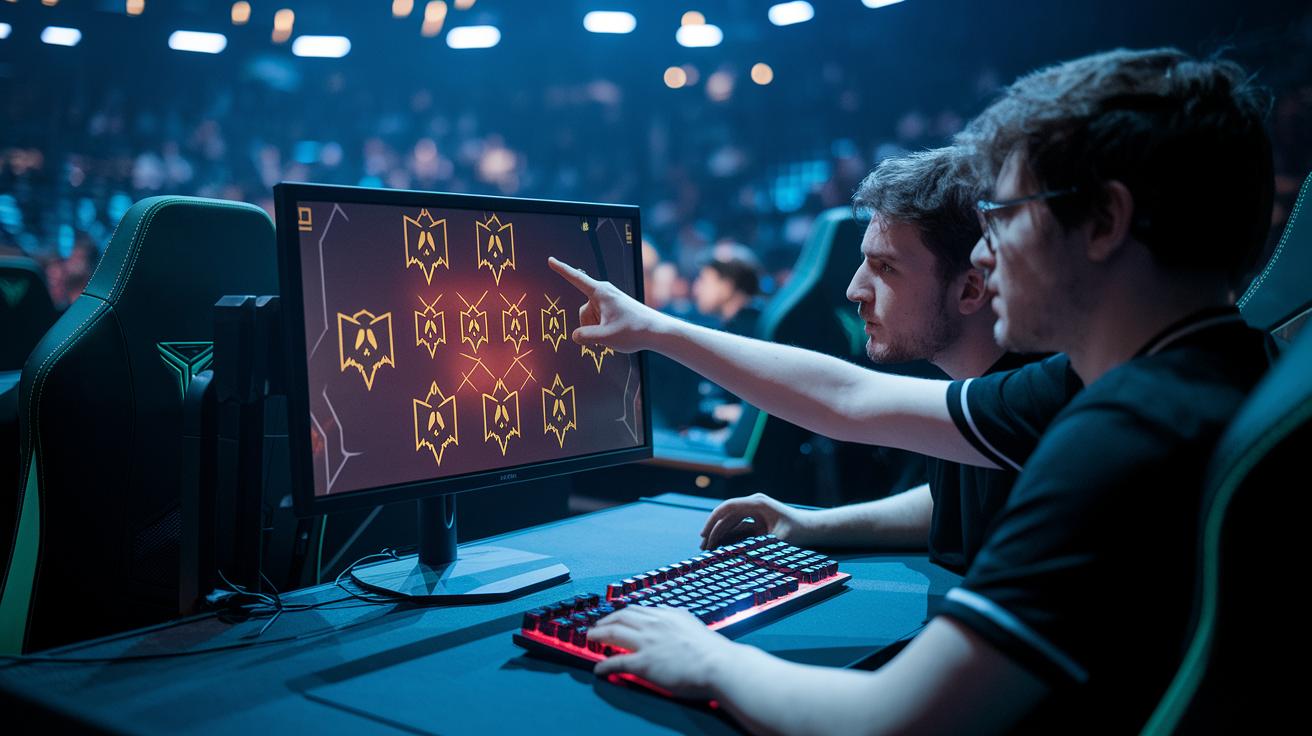
Ever noticed how enemy AI seems to repeat the same moves? Start by catching simple habits like constant strafing or always using the same cover spots. A lot of foes play by a set routine, from basic moves to fancier reactive actions. When you see these repeated tactics, you're really cracking their playbook. For instance, if an opponent always darts to cover after a burst, you've found a predictable move that you can use to your advantage.
Once you spot these patterns, mix up your own tactics to keep things unpredictable. Try attacking from different angles to mess with the enemy’s routine. Play around with your timing too; a change in pace can force the AI to adjust and break out of its script. Use sudden direction changes and unexpected moves to keep your opponent off balance. And don’t forget, with game updates and balance fixes coming in, you need to tweak your strategy along with them. Keeping an eye on updates at https://funcomputers.com?p=1470 helps you stay ahead by swapping routine moves for adaptive, scenario-based counterattacks.
Multiplayer Coordination and Tactical Communication
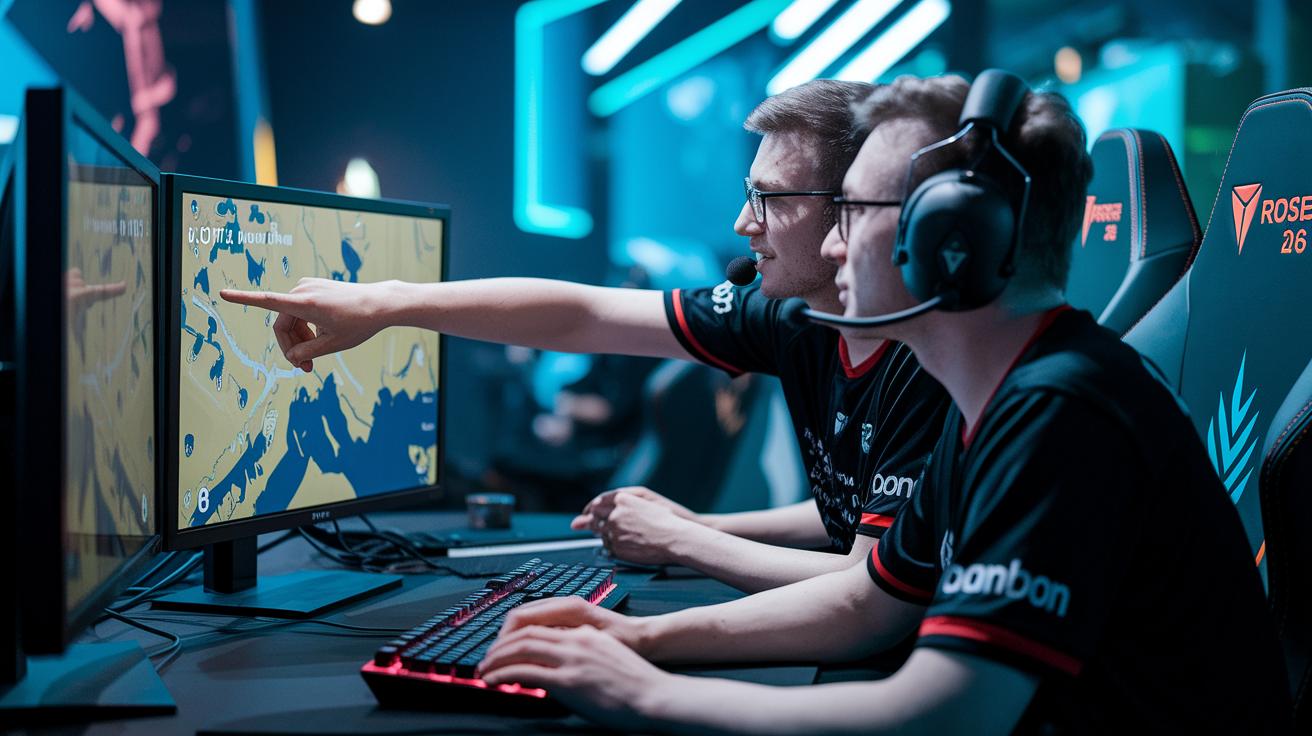
Teamwork in competitive matches is super important. Whether you're teaming up with buddies or joining forces with skilled players, clear chat and defined roles make all the difference. Sharing enemy movements or battlefield changes through quick voice or text messages turns individual skills into a team win. Getting together before the match to sort out lanes, flanker roles, and focus fire targets builds a solid foundation, and a brief chat after each round helps fine-tune your strategy and boost team chemistry.
Role-Specific Coordination
Make sure everyone knows their role for a smooth attack. The entry fragger jumps into high-risk zones to break enemy lines first. Then, a support player covers the flanks and holds backup so teammates have room to move. Meanwhile, the sniper hangs back safely to pick off looming threats. Each role needs its own clear callouts and fast reactions, so the team can quickly adapt when surprises hit.
Communication Protocols
Use clear, standard callouts to boost response times. Quick pings and short commands like “advance,” “cover,” or “enemy down” let everyone know what’s happening without any confusion. Timing your messages just right and making the most of voice or text chat means every member stays on the same page and ready to act. Combining these methods into your battle plan transforms your personal skills into a team force ready to conquer any conflict.
Reflex Drills, Simulation Practice, and Progress Tracking
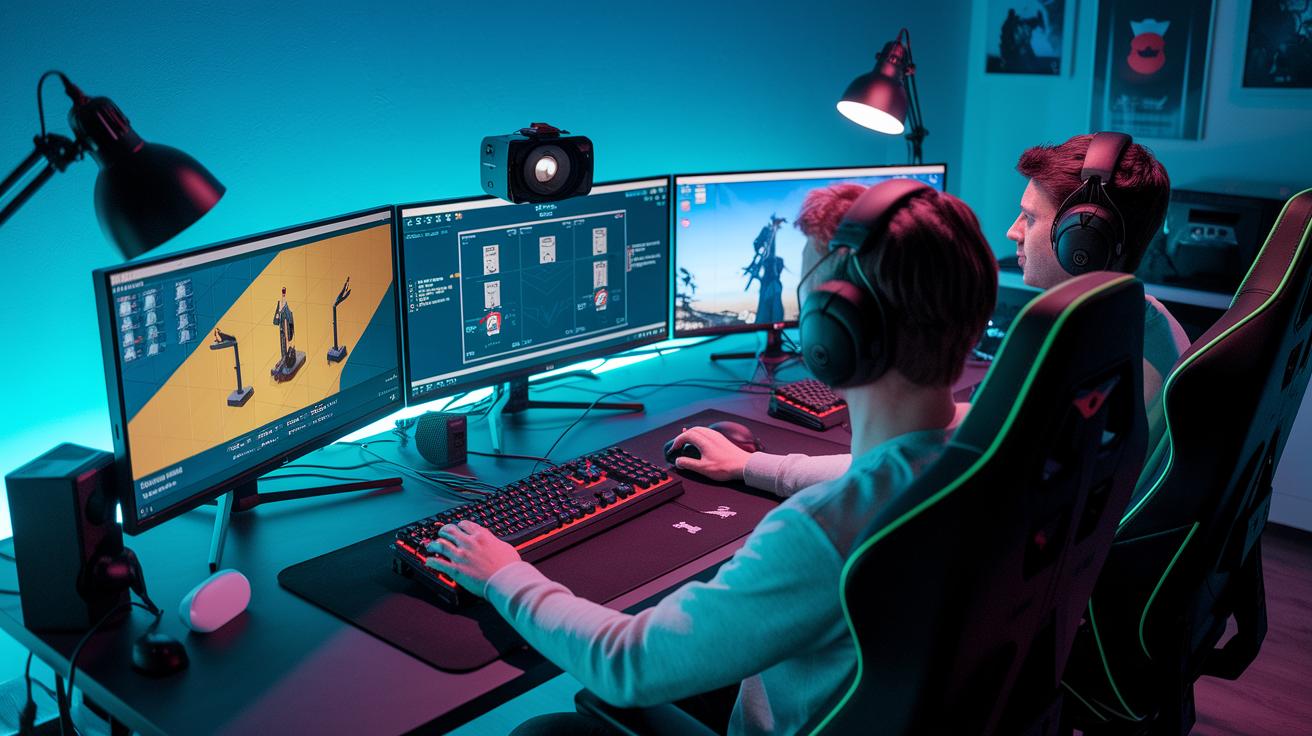
Drills and simulation practice can seriously level up your game. They boost your reaction times and sharpen your combat skills like nothing else. Whether you're chilling at the in-game shooting range or using an aim trainer, these exercises get your reflexes in top shape. And with custom matches and sandbox modes, you can practice specific scenarios, think of getting ready for a boss fight, without any real pressure.
Simulations are super handy too. Recording your sessions lets you rewind and spot timing errors or control slip-ups. It’s like running easy practice rounds in your favorite game before you jump into the real battle.
- Daily target-training warm-up
- Quick reaction speed challenges
- Drills for moving around and peeking for cover
- Custom replays to master boss fight tactics
Tracking your progress is key. Rewatching your gameplay helps you see where you can improve your timing and control. Tweak your training schedule based on these insights and let every session build on the last. With consistent practice using these drills and simulation strategies, you’ll steadily boost your in-game performance.
Final Words
In the action, this post broke down a clear, five-step approach to mastering advanced combat. We covered core mechanics, enemy analysis, move drills, environmental tactics, and review strategies. Each section offered relatable tips and real-game examples. This step-by-step guide to advanced combat tactics in video games keeps things simple yet effective. Keep practicing, keep refining, and have fun leveling up your skills.
FAQ
Stick Fight controls ps4
The Stick Fight controls on PS4 use a mix of joystick moves and action buttons to help you dodge, strike, and perform special moves with precision.
Combat mechanic Army
The combat mechanic Army refers to in-game systems that manage coordinated unit actions and formations, blending strategy with precise control for organized, team-based battles.
How to get better at combat in video games and what is the best technique for fighting?
The combat improvement tips mean to focus on core skills like movement, timing, and control mapping. Practice in training modes, watch skilled players, and learn from mistakes to sharpen your fighting style.
How do combat mechanics work in video games?
The combat mechanics in video games work by linking player inputs with timed animations and recovery phases, creating a cycle where precise actions lead to effective hits and avoiding counterattacks.
What are the three types of combat?
The three main types of combat generally include melee, ranged, and hybrid styles, each offering distinct playstyles by mixing close-quarters fighting, distance strikes, and special abilities.