

Ever notice how the right voice or script can make a game feel super real? It’s like when the words grab you, and suddenly every quest feels personal. Cool storytelling and genuine voice acting can change the vibe of a game completely. Good dialogue makes the game world come alive and pulls you right into the action. Research even shows that sharp storytelling not only entertains but also transforms gameplay. Ready to uncover the secrets behind those unforgettable game moments?
Professional Assessment Criteria for Game Storytelling and Voice Acting
Top-notch storytelling in games is all about clear, easy-to-follow scripts that show who the characters are and how the game world works. A November 13, 2024 report highlighted that well-thought-out scripts paired with subtle voice tricks, like the right tone, stress, and emotion, bring these stories to life. Ever heard a character whisper a line with just the right pause that makes the moment hit you hard? That’s the magic of a carefully built narrative that pulls you into the game.
Voice acting is like turning written words into real, living feelings. Talented actors use clear and natural speech to make every character shine. They take everyday dialogue and infuse it with genuine emotion, so a single line can send chills down your spine. This ability to make words feel powerful shows why skilled voice acting is a must for a believable and dynamic storyline.
When you mix a clear, engaging script with spot-on voice acting, the result is a game experience that feels almost like watching a movie. Experts say that when these elements work together, players get drawn deep into the game world. This blend not only keeps you hooked but also sets high standards in the gaming industry and boosts a game’s success overall.
Assessing Narrative Structure and Character Development in Game Storytelling
Today’s games aim for movie-like stories with visuals that pop and voice acting that feels real. Great scripts drive character growth and create those cool emotional beats that stick with you. Think about franchises like The Last of Us or Uncharted, every line of dialogue adds another layer to the character journey.
Studies in game design show that a clear structure is key for an engaging plot and natural voice work. A well-planned narrative lets each twist boost character depth and ties dialogue closely to gameplay.
- Setup
- Conflict
- Climax
- Resolution
- Pacing
When a game’s story moves smoothly from setup to conflict, climax, and resolution, the voice acting can really hit the right tone. This makes every spoken word feel earned and boosts how much you get pulled into the game. By matching plot progress with the right voice vibes, developers make both the storytelling and the gameplay way more immersive.
Evaluating Dialogue Quality and Script in Game Storytelling

Game developers now go way beyond basic script checks. They mix in cool tech like sentiment analysis and real player feedback to polish dialogue. For instance, you might hear a reworked line that starts with something like, "Start with a surprising fact – 'Before his reputation was forged, our hero meticulously studied ancient codes under a flickering lantern glow.'" This way, any phrases needing extra work get flagged before casting.
These days, it's all about making dialogue feel real. Evaluators look at how the words flow, check for the right emotions, and even see how the dialogue fits across different media. They break down each line, looking at timing, tone shifts, and emotional hints with special software. One study even found that dialogue with measured pauses and clear feelings pulled players in much more.
They also match the script with voice delivery using fresh techniques. Real-time audience reactions teamed with deep dives into vocal delivery and ambient sounds help shape scripts while they're still in progress. One test showed that tweaking dialogue based on quick listener feedback really boosted the story's vibe during beta sessions.
Voice Performance Evaluation: Tone, Emotion, and Technical Quality
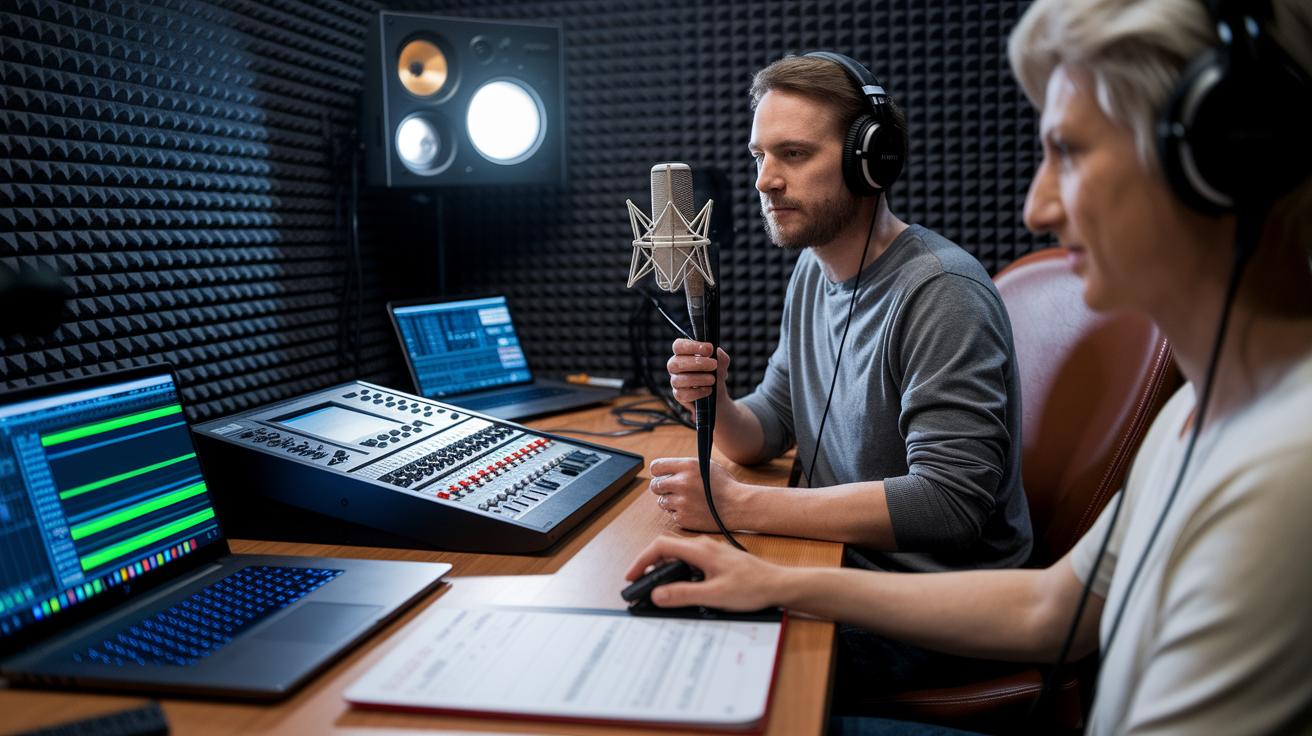
Voice acting in the best games is way more than just reading lines. Developers use top-notch microphones, soundproof booths, and trusted editing tools like Adobe Audition, Pro Tools, and Audacity to capture every tiny detail. Actors change their tone and add emotion to make digital characters feel real. They focus on creating genuine performances that pull players deep into the game world.
The technical side is just as important for these vocal performances. Studios blend audio tracks with game engines like Unity or Unreal Engine, which helps sync lip movements and character animations perfectly. Games like The Last of Us Part II and Death Stranding even mix motion capture with AI-driven voice tricks to make each line seem natural and in tune with the visuals.
| Tool | Purpose | Example |
|---|---|---|
| Adobe Audition | Recording and editing audio | Used in high-quality game voice productions |
| Pro Tools | Multi-track recording and mixing | Enhances dialogue clarity and depth |
| Audacity | Accessible audio editing | Ideal for initial voice recording tests |
All these techniques and gadgets work together to make voice talent shine in games. Using the right tech alongside creative performance review helps capture every nuance in dialogue. When high-level audio methods sync with spot-on animations, each conversation feels alive and draws players into the storyline. In short, blending expert vocal skills with modern technical setups gives gamers an experience that truly hits home.
Case Studies in Professional Game Storytelling and Voice Acting
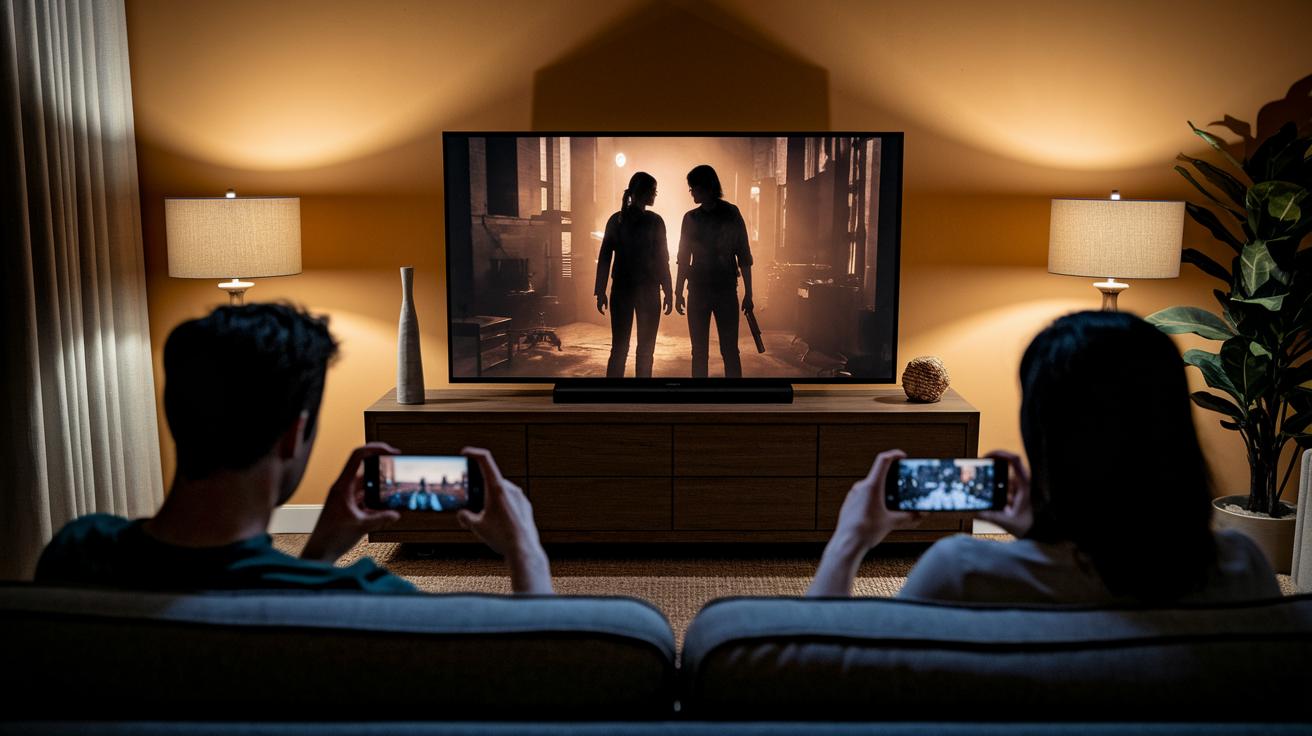
Joel and Ellie in The Last of Us really set the bar high for how game stories are told and how voices can bring them to life. Their talk feels genuine, mixing real heartbreak with little bursts of humor that hit home. Sometimes, a well-placed pause or a slight shake in their voice says more than a whole sentence. It shows that tight character moments can pull you deep into the game.
Nathan Drake from Uncharted adds his own cool spin with a mix of smart jokes and bold moves. His upbeat tone and quick shifts during nail-biting scenes make the game feel like you’re in an action-packed movie. Every line he drops is precise, drawing you right into his wild adventures and clever, twisty script.
Kratos from God of War is another example of when a powerful, deep voice turns a game into something epic. His tough, gritty words mirror his inner battles and fierce drive. Listening to his commanding tone along with the crafted dialogue makes you feel like you’re fighting right beside him through every win and loss.
Aloy in Horizon Zero Dawn shakes up modern game storytelling with a mix of strength and sensitivity. Her voice shows both softness and determination, perfectly matching a tale of surviving against the odds. This mix of heartfelt emotion and smart scripting shows how blending great voice acting with story design can boost the overall vibe of the game.
Benchmarking Against Industry Standards in Game Storytelling and Voice Acting
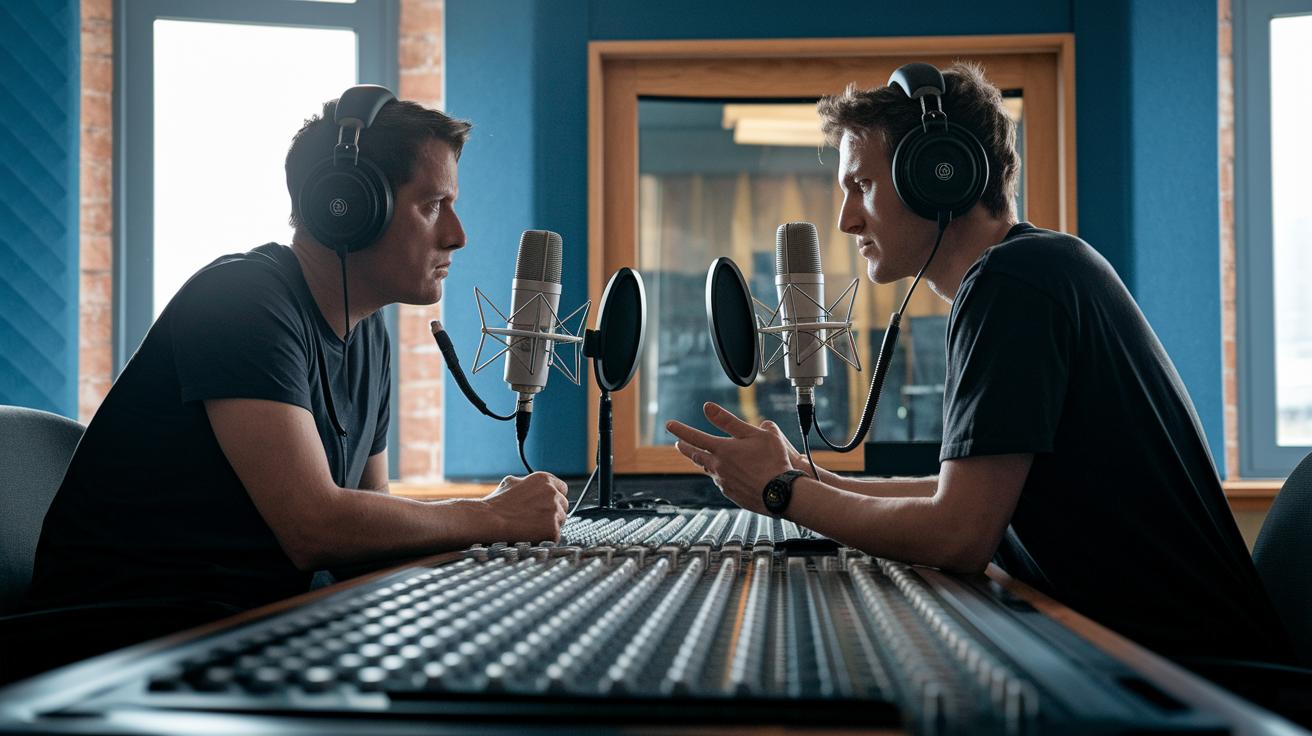
Voice acting is a key part of what makes a game feel top-notch. These days, studios treat amazing vocal performances like the perfect sidekick to stunning visuals and smooth gameplay. Every line you hear helps bring the story to life. That’s why working with talented casting directors and agencies is so important, they match each character with a voice that grows as the game does.
Casting today is all about teamwork. Studios, casting directors, and talent agencies team up to hunt for voices that really click with a game’s vibe. It all starts with spotting raw talent and then pairing them with roles based on things like tone, accent, and emotion. Game critics even point out (see https://funcomputers.com?p=297) how this collaboration makes characters feel real and deep.
But there are hurdles, too. Budget limits, translation challenges, and cultural nuances can all throw off the balance between technical needs and creative dreams. Tackling these bumps means careful planning and clear, ongoing chats between everyone involved, so every voice fits perfectly into the story.
Emerging Trends and Recommendations for Game Storytelling and Voice Acting
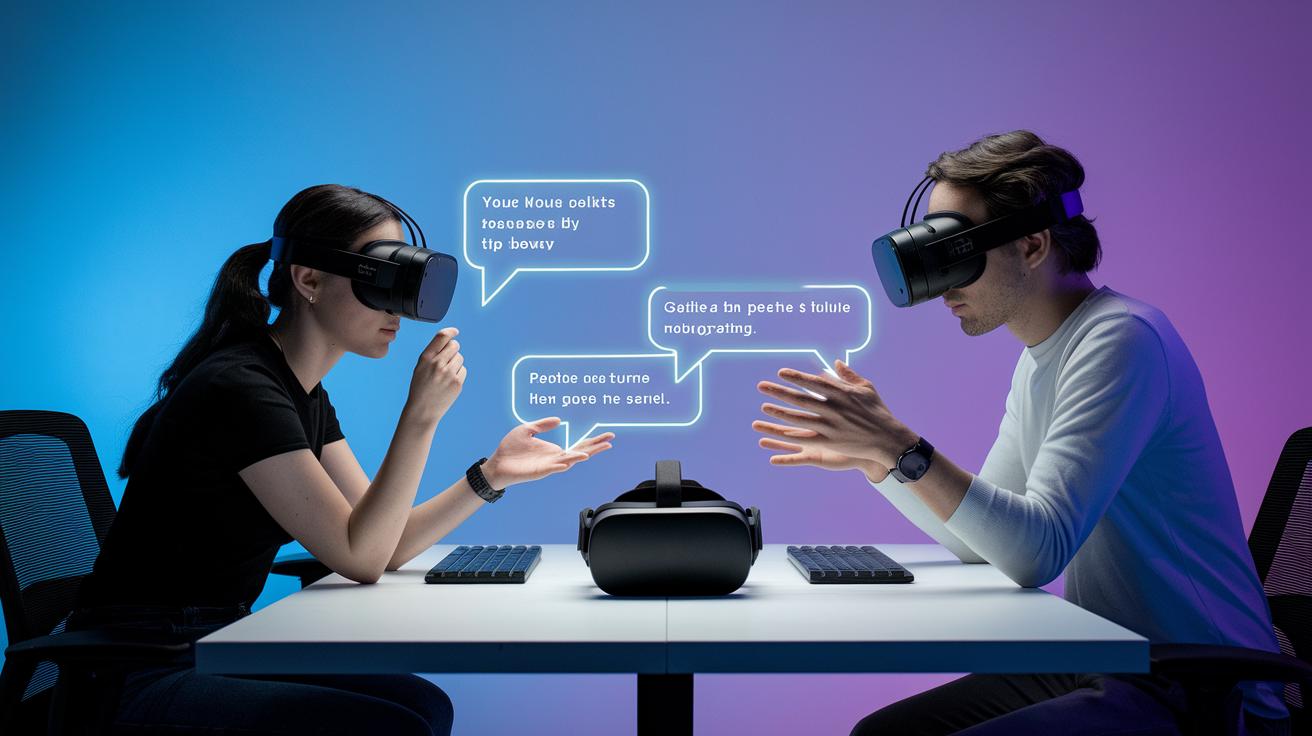
New tech is changing how games grab our attention. AI voice systems that change dialogue on the fly (like adjusting a character's tone based on what you do) are becoming popular. And VR is getting cooler with motion capture that links voice acting to lifelike movements. For example, one developer shared, "During our beta test, our AI system switched up dialogue in real time to match the players' mood, making the game feel even more immersive."
Modern game storytelling now mixes flexible dialogue with live voice feedback. Writers and voice actors work side by side so every line fits the game’s changing storyline. This blend of smart writing and cutting-edge tech makes every in-game moment count.
Game studios should rethink how they pick voice talent and invest in new audio tools to meet player expectations. Combining talented voice acting with tech upgrades like real-time vocal changes and precise lip syncing boosts game immersion. Embracing these trends brings story and performance together, making the gaming experience even more engaging.
Final Words
in the action, we unpacked key points on game storytelling and voice acting. We explored how narrative structure and voice performance combine to create deep engagement.
We broke down script quality, authentic dialogue, and vocal techniques that make game experiences memorable. Small examples showed how even subtle changes can change the mood on screen.
This recap offers a Professional evaluation of game storytelling and voice acting, leaving us fired up for many more captivating gaming moments ahead.
FAQ
Voice acting for indie games
The phrase voice acting for indie games means small-budget developers still use skilled voice talent to breathe life into characters, making sure every line boosts the game’s feel and draws players in.
Standard voice acting rates
The term standard voice acting rates refers to typical fees charged by professionals based on project length and script difficulty. These rates vary with experience and project size, keeping payments fair.
VAC indie rate guide
The VAC indie rate guide offers pricing benchmarks for indie projects that help ensure voice talent is fairly paid while matching smaller budgets with quality performance.
How much do game voice actors get paid?
The amount game voice actors earn depends on project scale, role complexity, and their experience. Bigger titles with larger budgets often pay more, while smaller games tend to offer lower fees.
How much to charge for a 30 second voiceover?
The cost to charge for a 30-second voiceover depends on your experience level and the project’s needs. Rates can range from modest fees for newcomers to higher fees for established professionals.
How much should I charge for voice acting?
How much to charge for voice acting comes down to your experience, the role’s demands, and current market trends. Evaluate your skills and project details to set a fair, competitive rate.
Who is the best gaming voice actor?
Who is the best gaming voice actor is subjective. Many fans favor those known for memorable performances and vocal versatility, making characters feel real and adding to the game’s overall impact.