

Ever wondered if you can mix fun with cash on gaming platforms? These sites blend creative gameplay with smart money moves that keep the game exciting. They use neat tricks like in-app purchases (buying cool items in the game), subscriptions (regular, small payments), and even ads you see while playing.
These cool methods help game makers support unique, player-made content while boosting their earnings. It shows that a balanced game economy – where fun meets funds – can seriously change the way you play. Cool, right?
Comprehensive Overview of Monetization Models for Gamer Community Platforms
Gaming platforms today mix creativity with cash flow in really cool ways. Instead of sticking to old-school methods, community platforms now use six main models: in-app purchases, in-game ads, subscriptions, pay-to-download, sponsorships, and a mix of these. Every approach lets game makers build fun experiences while opening up different money-making options.
Player-made content is a huge driver here. Think mods, custom skins, and maps that players create. These add-ons often come with purchase options where developers earn a cut. This mix of user-made and professional assets often boosts overall income, with some communities seeing a 20–30% revenue jump just by keeping players engaged.
In-app purchases let you grab extra moves, boosts, or rare items to up your game. In-game advertising brings in banners and rewarded video ads that feel part of the play, without breaking the flow. Subscription plans get players hooked with game passes or premium features that roll in steady cash. Pay-to-download works for games packed with premium content, while sponsorships let brands get up close and personal with your in-game world. And when you blend these, you create a balanced gameplay economy that keeps players happy and the finances flying high.
With all these options, platforms can tune into what players want while keeping a competitive edge on payments. It’s a smart mix that taps into community creativity and gives developers plenty of ways to earn. Isn't it wild how a few well-chosen monetization paths can boost both the fun and the funds?
Subscription-Based Revenue Strategies on Gamer Community Platforms
Subscription plans help game platforms earn steady cash by charging players every month for cool, exclusive perks. Gamers sign up to score benefits like faster leveling, special seasonal content, and invite-only events. Think of it like a game pass that opens up new levels or rare items each month without needing extra coins.
Big multiplayer hubs and gaming communities love this model because it keeps players coming back. They often roll out different subscription tiers: the basic plan gives you the standard rewards, while the higher tiers unlock extra features and bonus content. This not only makes the service more appealing but also gives competitive gamers a little boost. Casual players might first try free trials, snippet previews, or loyalty rewards, and soon they find themselves upgrading to get the full experience.
Mixing premium content with smart payment plans creates a win-win situation. Players get cool in-game advantages while developers enjoy a reliable stream of income. When gamers see value like faster progress and exclusive rewards, they stick around longer. This smart strategy keeps the community active and money flowing steadily, ensuring everyone enjoys a vibrant, ever-evolving game world.
Microtransaction and In-App Purchase Models for Gamer Community Platforms
Many gamer platforms use microtransactions and in-app purchases to give you cool boosts during play. You know, little extras like extra moves, special power-ups, or unique skins that make your game feel truly yours. It’s like hopping into a digital shop where you can quickly grab stuff to upgrade your game without slowing things down.
Developers often start you off with a free game and then tempt you with fun, small purchases to keep the excitement going. Ever tried a little add-on that makes a big difference? It works like that. The easy setup means even if you’re just playing for fun, you feel comfortable diving in for a quick upgrade.
Here are some common ways you might see these options:
| Feature | What It Does |
|---|---|
| Consumable Boosts | Short-term power-ups to improve your game performance |
| Cosmetic Skins | New looks for your characters or avatars |
| Time-Saving Items | Extras like extra lives or level skips to speed things up |
| Limited-Time Bundles | Packs that offer several perks for a short period |
| Virtual Currency | Tiers to purchase coins or tokens for more in-game choices |
Each of these choices helps turn game time into a mix of fun and reward. Quick coin transactions and neat bundle deals mean you can upgrade with a click, keeping the game smooth and enjoyable. In the end, these microtransaction models mix convenience with excitement, making both players and developers happy.
Advertising and Sponsorship Models Tailored for Gamer Community Platforms

Gaming communities aren’t just about epic battles, they’re also about smart ad setups that keep the fun rolling while cashing in on revenue. These platforms mix clever ad formats so players can jump right into the game without getting spammed, and developers still bring in steady income. They avoid bombarding you with too many ads by blending static displays with interactive bits. For instance, rewarded video ads let you trade watching a short clip for extra lives or bonus points, kind of like snagging a hidden bonus level.
Sponsorships play a huge role too. They boost revenue through custom branded experiences and live event partnerships that perfectly match a game’s vibe. Imagine your favorite brand teaming up for a unique gaming twist that feels natural and exciting. Live broadcasts and influencer campaigns add another layer of energy, especially during big tournaments or special events. This not only raises platform income but makes you feel like part of an ever-pulsating, connected community.
| Ad Format | Description | Best Use Case |
|---|---|---|
| Banner Ads | Static ads shown during gameplay | Low-key visibility |
| Interstitial Ads | Full-screen ads during breaks | Smooth, natural transitions |
| Rewarded Video Ads | Short clips that offer in-game perks | Keeping players engaged |
| Playable Ads | Interactive demos that mimic gameplay | Highlighting game features |
| Integrated Ads | Ads woven naturally into the game design | Subtle brand storytelling |
Balanced ad spots and smart sponsorship deals make these revenue streams work without bogging down the gaming experience.
Crowdfunding, Donations, and Affiliate Monetization Techniques for Gamer Community Platforms
Crowdfunding is a cool way for game communities to bring awesome projects to life. Think of it like rallying your friends before a big raid, players chip in to make new game features or extra levels a reality. For example, a mod pack might run a campaign to cover the costs of development and even offer unique rewards to those who back it.
Direct donations are another neat trick. With easy peer-to-peer tipping, loyal gamers can support the creators they love with just a few clicks. It’s like tossing a coin to your favorite streamer after an epic play, this support not only boosts morale but also fires up creators to keep innovating and churning out fresh content.
Then there’s affiliate marketing, which adds a little extra cash without messing with the player experience. By adding affiliate links or simple commission setups, platforms earn a tiny piece of the pie when players check out branded products. It’s a low-key way to generate extra funds that helps both creators and developers.
Here are some popular methods used in this game:
- Crowdfunding for interactive games
- Direct player donations
- Peer-to-peer tipping systems
- Affiliate marketing for branded products
- User-driven fundraising efforts
Each of these strategies helps keep the cash flowing while building a fun, creative space where community-driven content makes every gaming session feel even more epic.
Case Studies of Successful Monetization Models in Gamer Community Platforms
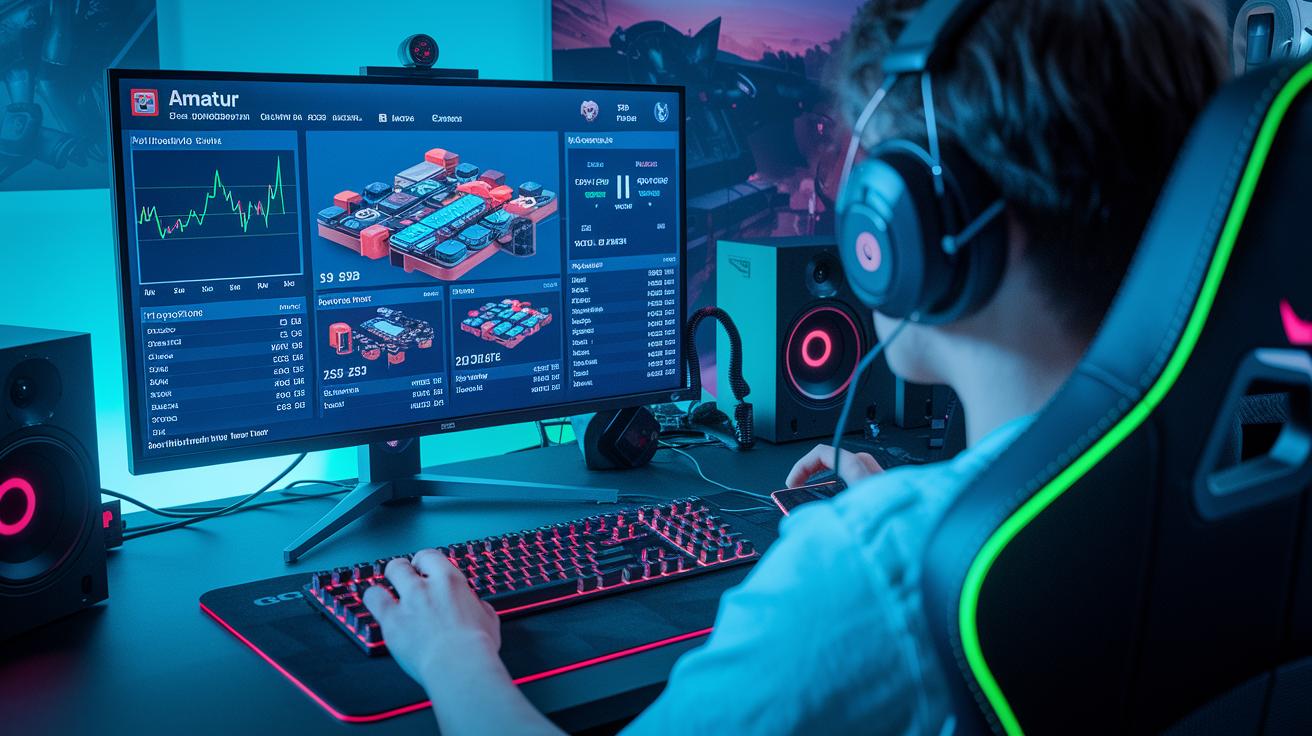
One cool example comes from a user-generated content platform that saw a 25% jump in revenue after introducing a percentage-based asset store for player-made mods. It turns out that when developers let gamers lead and create their own content, the whole community scores big. The platform’s built-in marketplace not only drew in a ton of creative ideas but also brought in solid cash flow.
Big gaming communities are reaping similar rewards. A bunch of studies show that groups using live analytics and engagement tools experienced revenue bumps of 20–30%. These setups tracked player actions, like how many folks were actively playing and connecting with each other. With these insights, developers could adjust their offerings and in-game purchase deals to better match what players loved.
PC hubs and mobile communities each play their own game. PC centers usually ride high on the back of strong mod markets that spark creativity and boost both engagement and long-term loyalty. Meanwhile, mobile communities often bank on microtransactions and social features, making it super easy for gamers to reward their favorite creators with small, regular payments. This blend of strategies creates a lively space where everyday player interactions drive revenue while keeping the fun alive.
Real-world cases like these show how smart mix-and-match between digital markets and clever player tracking can lead to success. By zeroing in on what makes the community tick, developers feel more confident investing in monetization tricks that truly work.
Emerging Technologies and Future Trends in Monetization for Gamer Community Platforms
Blockchain and NFTs are flipping the script on how gamers buy, sell, and own digital items. Thanks to NFT integration, you can now make secure trades that keep your in-game treasures safe, almost like snagging a one-of-a-kind skin with proof that it's all yours. This change is opening up a whole new marketplace where both collectors and players can see real gains.
Cross-media earning channels are getting major traction too. Imagine earning rewards just for watching your favorite game streams or sharing epic game moments on social sites. This cool mix pushes the game's economy way beyond just the screen, expanding how platforms make money.
Token-based loyalty rewards are on the rise as well. Long-time players can now earn digital tokens that add up to real cash bonuses. With creative economy setups merging tokens and actual money, gamers and creators can cash in directly from their efforts. It’s a sneak peek into a future where gaming communities mix intense play with a vibrant global digital market.
Best Practices and Implementation Tips for Monetization Models on Gamer Community Platforms

It's all about balance. You want to earn revenue without killing the fun. Think of it like testing a new game level, you need the right mix of challenge and fairness. One game maker tried tiered pricing, letting players choose between basic and premium packs, and things ran smoother than expected.
Using both AI and a real human touch keeps your community safe and welcoming. This combo makes sure cool new content rolls out while keeping things friendly. Teams often run A/B tests to fine-tune everything from game difficulty to pricing. For example, one test showed a 10% bump in spending in one version over another. Small tweaks can really add up!
Dynamic pricing is like adjusting a boss fight’s challenge level. It changes costs based on what players are doing or what’s trending in the market. Developers can also use local or psychological pricing so every player, no matter their budget, feels like a VIP.
Reward systems are a game-changer for keeping players around. Think daily login bonuses or special event rewards, they give a real sense of achievement and fuel that friendly competition. Imagine awarding unique badges for consecutive logins. It’s a fun way to boost morale and keep fans coming back.
Finally, customize your money-making strategies to fit different game types, whether they’re casual, mid-core, or puzzle games, and across all platforms from mobile to PC. And remember, sticking to fair practices like decent revenue splits and solid data privacy is key to earning players’ trust and keeping your community thriving.
Final Words
in the action, we broke down key paths for boosting platform income, from subscriptions and in-app purchases to smart ad and donation strategies. We looked at how player-driven content and fresh tech can shape shared revenue streams.
We also uncovered how careful design helps gamer community platforms keep players engaged. These monetization models for gamer community platforms keep things fun while making room for growth. Things are looking bright ahead for gamers and creators alike.
FAQ
What are the best monetization models for gamer community platforms?
The monetization models for gamer platforms typically include in-app purchases, subscriptions, ads, sponsorships, and hybrid methods. They drive income by offering exclusive content, digital goods, and user rewards.
Could you provide a game monetization example?
A game monetization example involves earning revenue from in-app purchases, ad banners, and subscription bonuses. This method often features cosmetic items and boosts to enhance the player’s in-game experience.
How do mobile game and Facebook Gaming monetization work?
Mobile games rely on in-app purchases and strategic ads, while Facebook Gaming uses donations, sponsored streams, and integrated ad revenue. Each model tailors its approach to keep players engaged and spending.
What is the approach for browser game monetization?
Browser game monetization generally uses embedded ads, optional in-app purchases, and subscription plans. These strategies help build steady revenue streams without preventing free access to gameplay.
How can I monetize a community group or as a gamer?
You can monetize a community group or as a gamer by offering premium memberships, special content, donations, and affiliate partnerships. These methods turn loyal fans into steady revenue sources.
What platform is best for monetization?
The best platform for monetization depends on your audience and goals. Platforms offering seamless in-app purchases, recurring subscriptions, and integrated ad solutions often deliver the strongest revenue potential.