
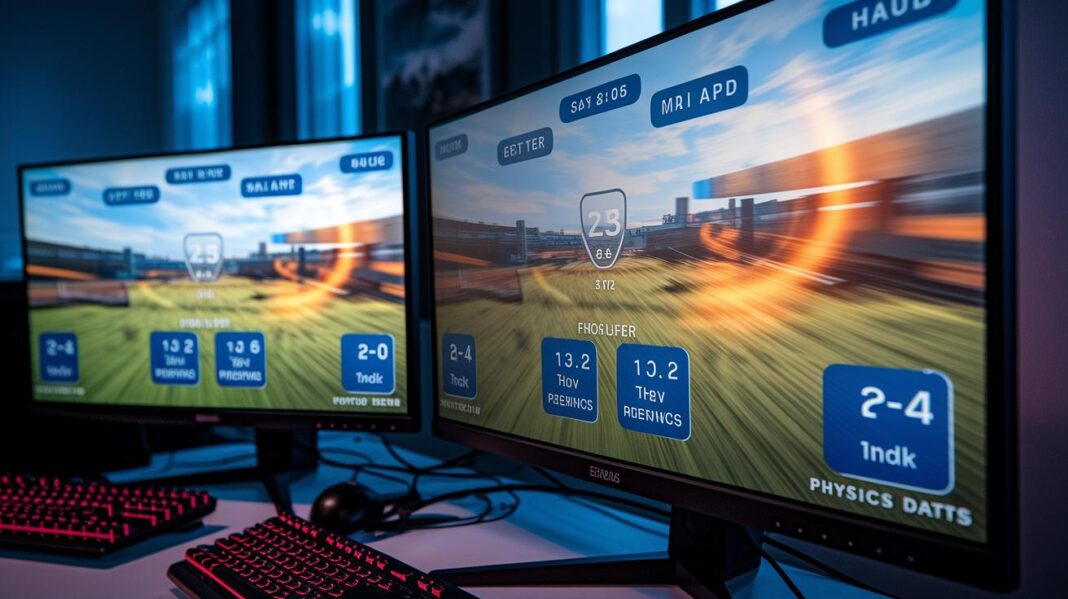

Ever wondered if simulation games feel as real as life? When you see detailed textures, changing weather, and smart AI that brings everyday scenes to life, the game becomes an adventure. In this review, we dive into the mix of real-looking graphics, sound cues, and solid physics that come together to create a world you can almost touch. We break down how simple controls turn into a thrilling, lifelike journey. Stick around as we find out if simulation game realism really nails it with top-notch precision.
Simulation Game Realism: A Comprehensive Evaluation
Simulation game realism is all about building a game world that feels like the real deal. Whether you're steering a plane in Microsoft Flight Simulator or running a city in Cities: Skylines, every tiny detail matters. These games copy real-life tasks by nailing everything from cockpit layouts to city street designs. When a game gets this right, what seems like everyday tasks suddenly feels super exciting.
We check out simulation realism using a few key points. First up: great graphics. Think clean textures, changing lights, and shadows that fit just right to make scenes pop. For example, in Microsoft Flight Simulator, real-time weather makes the game look so natural, you'll almost forget it's just a game. Then there's physics. How a car moves after a crash or how fluids mix in a farming game adds real depth and challenge.
Another big factor is smart AI. When non-player characters act with real-life smarts and the game world reacts to you, everything feels more alive. Good sound design, like hearing footsteps or engine roars from the right direction, pulls you even deeper into the game. And smooth controls ensure that every press translates perfectly on screen. If one of these parts falls short, the whole immersive experience can start to feel off.
Visual Fidelity in Simulation Game Realism
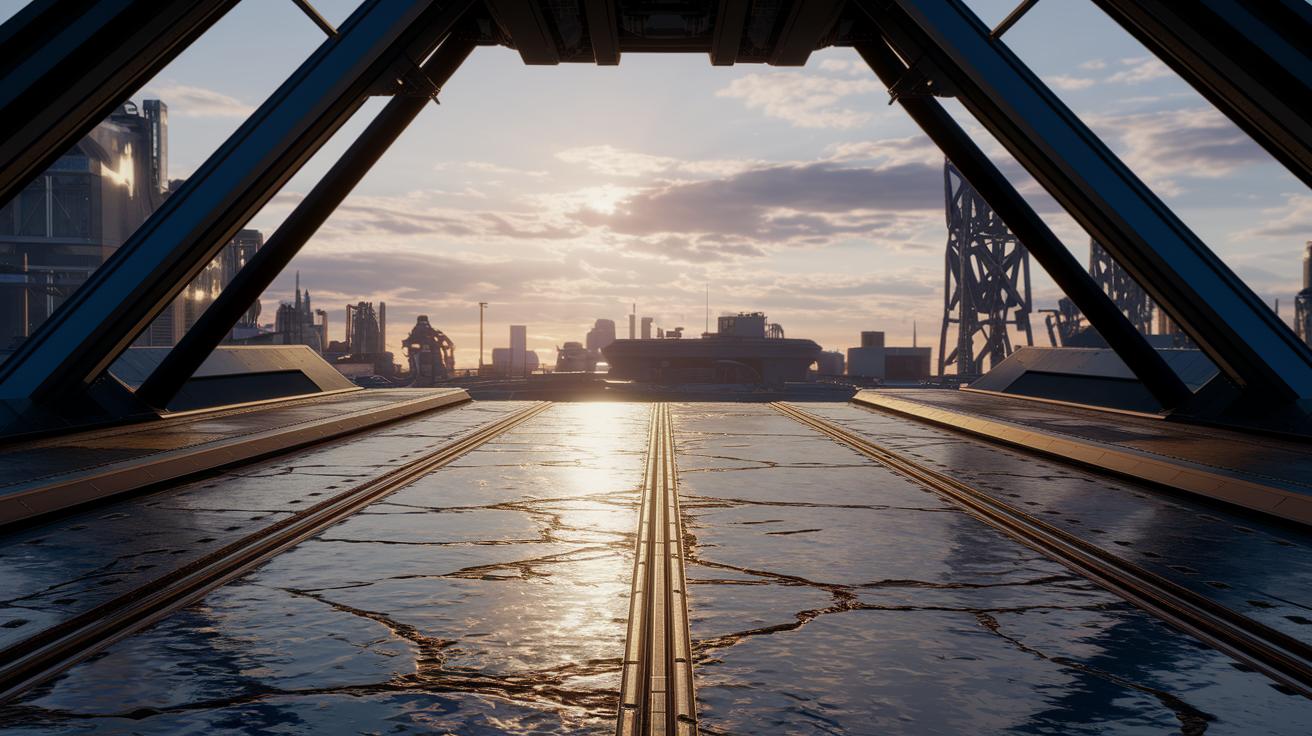
High-quality graphics help simulation games feel super real. The game uses cool rendering tech that mixes detailed textures with live lighting changes. Imagine playing a game where cracked pavement shines under a changing sunrise – it’s like magic, showing off both slick lighting and awesome textures. Shadows that fall just right make everything feel real and solid, pulling you deep into the game.
Developers use smart tricks to deliver crisp textures and live effects. They tinker with light angles and brightness so every surface, whether it’s shiny metal or rough concrete, looks like it really catches the sun. Picture a cockpit where every little dial and panel reflects light a bit differently – like you’re sitting in an actual spaceship during liftoff. Plus, die-hard fans often jump in with mods that push graphics even further, cranking up the details and lifelikeness.
The game also uses strong visual tools that keep graphics looking great without slowing down play. This means even if your system isn’t top-notch, you still get smooth gameplay and all those neat details that make the game feel like a true simulation.
Physics Accuracy Driving Simulation Game Realism
Simulation games get a huge boost when their physics act just like real life. Think about a car crash in BeamNG.drive – every dent and bounce hits you with authenticity. Advanced physics engines copy real fluid moves, rigid-body interactions (where objects stay tough or break apart), and damage details so well it feels like you're right there. When you're steering through a game, every turn and twist feels natural, like you're actually driving. Imagine water swirling around obstacles in a flooded street, it’s almost like watching a live replay.
Vehicle handling in these games is a tough nut to crack. Game developers throw a lot of effort into making movement feel real. When one car slams into something, even the tiniest bend or twist in the metal stands out. No two crashes feel the same, and every hit shows off the game’s serious commitment to real physics. Picture a truck cabin shuddering after a bump on a gravel road, its suspension and frame react instantly, proving that real mechanical response isn’t just a fancy idea.
Even games that aren’t about driving stick to these realistic rules. Whether it’s the sway of a character’s limbs or the domino effect of objects falling after an explosion, every bit of movement is carefully crafted. This close attention to detail ramps up the immersion, making the whole game world feel living and real, like you’re touching a world beyond the screen.
AI Behavior and Immersion in Simulation Game Realism

Evolving AI makes game characters feel way more alive. You know when an NPC seems to think for itself, planning unexpected moves that keep you guessing? I once had an NPC block my escape route on purpose, and it totally ramped up the excitement. Moments like these show just how important smart decision-making is for believable in-game interactions.
Pathfinding is a huge part of this vibe too. Watch how digital characters glide through busy streets or twist through maze-like corridors, and you get a real sense of immersion. It’s like seeing a guide effortlessly navigate a crowded city, always finding the best path around obstacles.
Then there’s the reactive side of things. When NPCs change their tactics, like ducking for cover during an explosion or switching up their patrol route based on your actions, it feels like the game world is really alive. Here’s a quick list of how AI gives you that immersive kick:
- NPC routines that adjust based on what you do
- Dynamic changes in tight, crowded spots
- Responses that evolve with every move you make
All these smart AI tricks combined bring simulation games to life, making every play session feel dynamic and engaging.
Sound Design’s Role in Simulation Game Realism
Layered audio and 3D spatial sound do more than just fill the air; they pull you smack into the heart of the game. Think about it: soft shifts in weather and a low hum from machines join forces to create a world that feels real. Imagine wandering through a virtual city where distant traffic murmurs mix with the gentle rustle of leaves, and every step sounds solid, like that clear, crisp patter of rain hitting metal roofs. It’s these tiny sound details that keep you on your toes and really set the mood.
Matching the sounds to what you see on the screen is a game-changer. When every clank, swoosh, and buzz fits perfectly, the whole experience feels smooth and true-to-life. Whether it’s the clatter of a tool in a busy workshop or the perfect swoosh as a car zooms by, these sounds work together to make you feel like you're part of the action.
- Precise effect layering
- Accurate ambient sound cues
- Verified mechanical noises
Each little audio trick makes the simulation world feel engaging and genuine, turning every moment into a mini adventure you can almost touch.
In-depth review of simulation game realism: Superb Accuracy
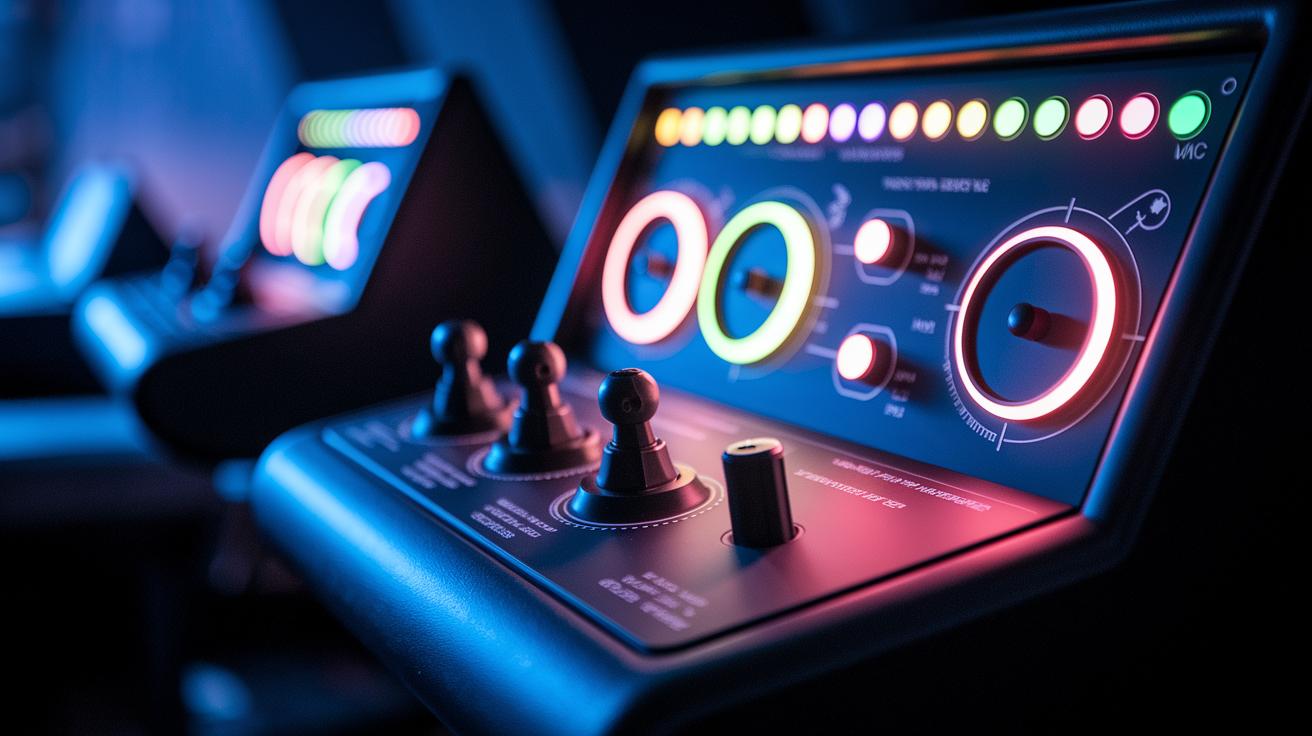
A control interface can be the quiet hero behind a thrilling simulation game. Think of cockpit dials, digital levers, and buttons that respond just like their real-world counterparts. Every design detail ramps up the game’s feel. For instance, when you press a digital lever, you get a sharp signal that instantly turns into on-screen action, kind of like real hardware in a cockpit.
A smart control layout means there's barely any lag between what you do and what happens in the game. Sensor feedback steps in to give you a little nudge: a vibration or a visual hint that tells you your command got through. Low latency ties it all together, so your moves and the game’s reaction click together like a well-practiced duo.
Key points include:
- Fully responsive instruments that act on the fly
- Digital levers that behave just like the real thing
- Controller feedback that makes every move crystal clear
Every command lands right when you need it, pulling you into the game even more. Every bit of the interface is tuned to match your intent, bridging any gap between you and the gameplay. Even light sensor tweaks ensure that each button press rings true on screen. All of these details add up to an interface that feels as real as a physical control panel, giving simulation games that spot-on accuracy.
Performance Metrics and Technical Audit of Simulation Game Realism
When you're diving into simulation games, hitting the right technical marks is what makes the game feel real. Developers run these cool checks, like making sure your frame rates stick around during epic battles, or that the game lights up with no lag, no matter what device you’re using. Picture it like this: you crank up your graphics, and even when things get heated, the game keeps its cool.
A solid tech audit looks at all the little details that keep your gaming smooth. Even a teeny lag can mess up the vibe in a simulation. That’s why they test how quickly your moves show up on screen. It’s all about making every action feel like it's happening right then and there. And yeah, they test on all sorts of hardware, making sure every platform is in sync.
Key parts of this audit include:
| Test | What It Checks |
|---|---|
| Framerate Stability | Makes sure smooth action comes through during the busiest scenes |
| System Latency | Checks that your inputs hit the screen instantly |
| Hardware Compatibility | Ensures top performance across different setups |
| Real-time Evaluations | Simulates live play conditions to keep the game feeling on point |
This deep-dive audit isn’t just a casual check, it’s a full-on, rigorous test of all parts of the game. These reviews help fine-tune visual tweaks and render settings for that totally immersive vibe. Imagine a review saying, "After checking how fast inputs are, the game reacted almost exactly like real life." Every test and metric helps get closer to a simulation that gamers can truly depend on.
Case Studies Highlighting Simulation Game Realism

Microsoft Flight Simulator brings cockpit life to your screen with unbelievably detailed controls that react like real ones. When a gust hits, you feel every tiny shift, as if the plane really responds to the wind. It’s like sitting in a real cockpit, where every move counts.
BeamNG.drive nails the real-feel of driving with its smart physics engine. Every bump, collision, or rough patch sends a realistic shudder through your virtual ride. You can almost feel the hum of the road through the truck’s chassis, making each drive feel genuinely authentic.
Cities: Skylines makes city planning feel like a living, breathing challenge. Tweak a traffic light or shift emergency routes, and instantly see how your city reacts. It’s like you’re managing a mini-world where every small change has a big impact.
The Sims 4 turns everyday choices into ripple effects that change your game instantly. Every decision, from picking a new job to altering daily routines, adds depth to the storyline. It’s a fun mix of personal stories and unpredictable life moments.
- Highly detailed cockpit responses
- Realistic physics for bumps and collisions
- Interactive urban planning with immediate effects
- Instant narrative changes in life-management
Emerging Trends Shaping the Future of Simulation Game Realism
Next-gen VR integration is totally changing how we play. Imagine slipping on a headset and literally feeling every twist as you steer your virtual ride. It’s like the digital world wraps around you, blurring the line between game and reality.
Procedural generation is another cool twist. Developers are now letting worlds build themselves on the fly, so every session feels fresh and unpredictable. Ever felt that rush when no two playthroughs feel the same? It makes every decision count.
And then there’s evolving AI. NPCs are getting smarter by the day, adapting to your moves and making interactions feel real and personal, almost like having a chat with a friend who’s always ready for action.
Dynamic weather modeling is leveling up too. Picture a sudden downpour that not only changes the look of your game but also messes with your controls and the game’s terrain. It’s like experiencing real-life weather shifts right in your simulation.
Plus, community mods let players tweak features and add new surprises, keeping the game fresh for way longer. When VR, procedural worlds, clever AI, and lively weather all come together, your simulation experience feels incredibly lifelike and always full of surprises.
Final Words
in the action, we broke down every angle of simulation game realism, from crisp visuals and accurate physics to smart AI and tight controls. We dug deep into performance checks and shared case studies that showcase titles like Microsoft Flight Simulator and Cities: Skylines enhancing our gaming experience. Our in-depth review of simulation game realism wraps up a clear picture of how these games feel true to life. Keep exploring these insights and enjoy the thrill that comes with every realistic twist and turn.
FAQ
What does an in-depth review of simulation game realism on Reddit or IGN cover?
An in-depth review discusses how simulation games mimic real-life physics, visuals, AI behavior, and controls, showing players how these elements work to create a true-to-life gaming experience.
How does Google Scholar relate to simulation game realism?
Google Scholar points to academic work that backs up reviews by offering research on realistic physics, graphical fidelity, and technical benchmarks used in evaluating simulation game authenticity.
Does Neil deGrasse Tyson believe we are in a simulation?
Neil deGrasse Tyson often muses about the idea as a fun philosophical thought but hasn’t firmly claimed that our universe is an actual simulation based on scientific evidence.
Is there a 50% chance we are in a simulation?
The notion of a 50% chance comes from speculative philosophy rather than concrete scientific proof, meaning it remains an interesting theory without solid data to back it up.
What is realism in simulation?
Realism in simulation means that the game closely mirrors real-world physics, visuals, sound, and controls, creating an experience where every element feels true to life.
What is the most realistic motion simulator?
The most realistic motion simulator is one that accurately reflects real-world vehicle dynamics with true-to-life physics and control feedback, much like what titles such as BeamNG.drive offer.