


Ever notice how a little patch can totally change your game? A quick update can zap away pesky bugs, add cool new features, and smooth out clunky controls so everything feels just right. It’s like hearing your favorite song remixed and feeling that rush all over again. These updates do more than tweak the gameplay, they bring an extra burst of excitement that keeps us coming back. In this post, we're chatting about how game updates reshape our play in really awesome ways.
Comprehensive Impact of Game Updates on Player Experience
Game updates change how we play our favorite titles. Fixes for bugs, new features, and tweaks to game balance turn games into living adventures. Each update not only fixes issues but also tosses in fresh challenges that keep us hooked. Think of a game that once felt clunky until a smart patch smoothed things over and made it way more fun.
Patches and add-ons bring new levels, stories, and characters that keep us coming back and help developers earn steady money. When we see new leaderboards, community challenges, or cool in-game events, it really makes us feel like part of the crew. This kind of natural bonding builds friendships and creates a strong sense of belonging. Games like Destiny 2 and Apex Legends drop fresh content all the time, sparking new play styles and plenty of lively chats among fans.
Updates also change how many players are active and how long we stick around. Each patch can boost the player base by fixing bugs and balancing gameplay. This steady stream of improvements often turns casual players into long-time fans. Developers who listen to community feedback tend to roll out updates that hit the mark, strengthening trust and keeping the vibe upbeat. In the end, the game world keeps evolving and growing, leaving us excited and eager for what’s next.
Patch Mechanics Driving Gameplay Evolution

Patches are like little game boosters. They fix bugs, adjust balance, bring in cool new features, polish up the UI, refresh cosmetics, and add DLC. It’s like getting a mini-expansion that makes the whole game feel different. When a patch zaps those annoying bugs or fine-tunes the balance, everything feels smoother right away. Take GTA Online for example – new missions, updated rides, and seasonal events keep the game lively and full of surprises.
Even small changes matter a lot. A tweak in the user interface can turn a clunky menu into something you can jump into fast. Even if cosmetic updates don’t change gameplay, they add a fun bit of flair that keeps the game exciting. Then there are DLC integrations, like the big chapters in Elder Scrolls Online, which mix huge expansions with smaller content packs. This combo changes the game and keeps the community buzzing.
Quality is important too. Rushed patches can bring new bugs and frustrate players. That’s why finding the right balance between frequent updates and polished fixes is key. Too many half-baked updates can drive players away, while well-thought-out breaks help build long-lasting loyalty.
Here are some of the patch mechanics that keep things evolving:
- Bug fixes
- Balance tweaks
- New features
- UI and UX improvements
- Cosmetic updates
- DLC and expansion integration
Check out the "fortnite patch notes update" at https://funcomputers.com?p=445 for a closer look at a fast-paced update schedule. It’s a great example of how timely fixes and fresh content push gameplay to the next level, keeping players on their toes and fully engaged.
Community Sentiment and Feedback Influence from Updates
Games are built on player voices. When devs listen, they make updates that really hit the spot. For example, if players point out bugs or say the game needs better balance, a fast fix can turn annoyance into excitement. Remember that shooter where the controls didn’t respond well? The team tweaked the sensitivity and even added extra community challenges, showing they were truly listening.
Players share their thoughts at live events, on leaderboards, and over social media. Their honest opinions help devs see which parts of the game need a little extra love. Sometimes you might hear, "The new look is cool, but something still feels off." When that happens, devs mix more bug fixes with style upgrades. It’s like a feedback loop where every update is a chance to level up the game.
Community challenges and multiplayer events also work like magic. They bring everyone together after an update. People come together to celebrate improvements and shout out what can be better, like asking for new features or smoother performance. Devs pick up these hints from streaming chats and discussion boards, turning them into real changes that boost the game experience. This give-and-take keeps the game fresh and the community buzzing.
Technical Iteration: Performance Stability & Improvements
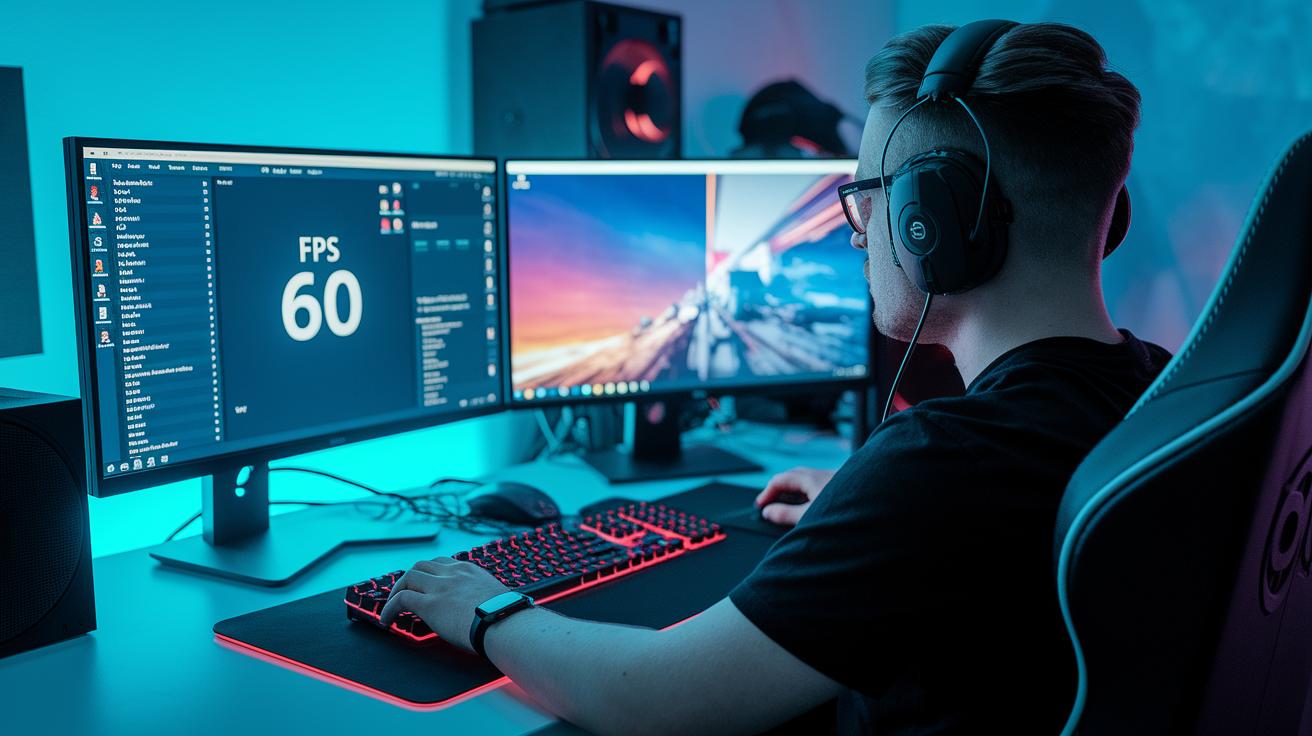
Game patches do more than just smooth out gameplay. They also fix up behind-the-scenes issues to help everything run better. Updates that work well on any device cut down on server downtime and patch up old bugs. For example, you might notice loads of speed improvements, fewer crashes, and a more reliable game overall. Even a tiny boost in frame rates can be the difference between choppy and super smooth play.
One cool example comes from GTA Online. After a patch, frame rates jumped by 15% and downtime dropped by 40%. Players said the game felt almost brand-new because everything responded so quickly. Watching these fixes happen in real time really amps up how satisfied players feel.
Developers keep track of things like crash rates, server uptime, and lag. These numbers show how well an update is doing in the real world. Solid bug fixes mean that even during live events, small issues get squashed before they become big headaches. Keeping an eye on these stats builds trust that problems will be handled quickly.
| Game Title | FPS Increase | Downtime Reduction | Bug Fix Count |
|---|---|---|---|
| GTA Online | 15% | 40% | 120 |
| Elder Scrolls Online | 10% | 30% | 95 |
| Destiny 2 | 20% | 35% | 110 |
These numbers show how smart updates make games not only run faster but feel more fun to play.
Case Studies of Developer Revisions in Leading Games
Grand Theft Auto Online
Rockstar knows how to keep things fresh and fun. They mix regular content drops with behind-the-scenes testing that really counts. The team listens to what players say and then tweaks each mission or cosmetic update by balancing community ideas with technical needs. For example, when players reported vehicle issues during a crunch, Rockstar quickly shifted priorities to fix them, making the update smoother and more exciting. It’s like a teamwork moment where player feedback and smart fixes join forces to keep GTA Online at the top.
Elder Scrolls Online
ESO plays it smart by splitting updates into big story chapters and smaller content packs. The developers adjust new story ideas while watching how both newbies and veterans react. Take this case: before launching a new chapter, the team tweaked quest difficulty based on beta feedback so it fit veteran players just right. This blend of internal tweaks and player insights is what helps ESO keep its steady community without reusing old ideas.
Destiny 2
Destiny 2’s seasonal updates are all about careful tweaks and adjustments based on real game action. When unexpected balance questions popped up, the developers saw it as a chance to rework seasonal events to better match player strategies. This change turned a design hiccup into a cool feature that refreshed the season. It shows how key behind-the-scenes fixes and smart community listening can make the live-service experience better every time.
Balancing Update Frequency with Content Quality

Timing is a big deal for game updates. When patches are rushed, bugs can sneak in and players might lose trust. But when updates are spaced out and done right, they keep the community excited and involved.
The Patch Mechanics Driving Gameplay Evolution section now covers how clear, honest communication, like a simple note saying, "We’re rolling out a fix next week that targets lag issues", can help a lot. They also blend in careful risk checks to keep things fresh without being repetitive.
This smart mix of clear roadmaps and solid testing plans shows how to stay on top of quality while still meeting what players need.
Future Trends in Live Service Updates and Player Engagement
Game devs are shaking things up with quicker content drops and community test phases. They’re inviting players to jump into beta tests and try special servers where you can see new tweaks before they hit the main game. It’s kind of like getting an exclusive preview of a killer game mode – your feedback helps fine-tune every update to suit what you really want.
Seasonal events have become a go-to for keeping things fresh. Think cool cosmetic unlocks, unique missions, and fun gameplay shifts that make every session feel new. These bursts of activity grab your attention, much like when a festive in-game event lights up your screen and pumps up the energy instantly.
Developers are also using open diaries and smart, AI-powered tools to gather real-time game data. This lets them adjust game mechanics on the fly and really connect with the community. It’s not just about upgrades – it feels like a shared mission where both gamers and devs team up to create the best game experience possible.
Final Words
In the action, we saw how regular patches and tweaks shift gameplay and community vibes. The post broke down patch mechanics, technical tweaks, and real case studies that show how updates drive engagement and keep player loyalty alive.
Together, these insights highlight the impact of game updates on player experience. Every fix, new feature, and update builds a smoother, more engaging game world. It's all about keeping the fun alive and improving the shared gaming experience for everyone.
FAQ
What is the impact of game updates on player experience, including PDFs, 2022, and 2021?
The impact of game updates on player experience shows how fixes, new features, and balance changes enhance gameplay and encourage loyal communities, whether documented in PDFs or noted across different years.
How does game design impact player experience?
The game design impacts player experience by shaping interactions through clear controls, balanced mechanics, and engaging challenges that keep gameplay fun and smooth.
What is the 40 second rule in gaming?
The 40 second rule in gaming describes a brief pause period that allows players to adjust or reorient after intense action, creating a smoother transition during gameplay.
What does updating a game do?
Updating a game introduces bug fixes, balance changes, new content, and cosmetic tweaks that keep gameplay fresh, increase engagement, and maintain a thriving community.
How does the scenery in a game influence the player’s experience?
The scenery in a game influences player experience by setting the mood and enhancing immersion, which plays a key role in making gameplay more engaging and memorable.