


Ever get the feeling your simulation game could use a little extra spark? Simple tasks might seem plain, but they can hide smart strategies that change everything. Even a tiny tweak in how you manage resources can set off a chain reaction, turning everyday moves into epic moments.
This guide dives into strategic gameplay in simulation games. Every decision builds up to a fun challenge that can turn routine play into a test of skill. Next time you set up your game, try mixing up your tactics and see how a small change can make your play feel brand new.
Core Principles of Strategic Gameplay in Simulation Video Games
Simulation games turn everyday tasks into fun loops by tracking stats, setting task cycles, and looping feedback. They basically measure everything from how you gather resources to the timing of your defense moves. For example, Civilization 6 turns managing money and building cities into a playful experiment. Did you know that a well-planned city defense in Civilization 6 can transform routine resource gathering into an epic campaign? It’s a neat trick that turns normal duties into challenges that keep you coming back for more.
At the heart of these games is decision-making. You're constantly choosing between investing in new defenses or boosting resource production. Every choice has a ripple effect, like deciding whether to speed up a task or save your resources to fend off an incoming enemy attack. Each decision builds on the last, creating a mix of risk and strategy that keeps the game engaging. It’s kind of like playing chess where every move can open up new paths or surprise you with unexpected threats.
Understanding game mechanics is what keeps you hooked for the long haul. Take the Warhammer trilogy, for instance: it blends fantasy vibes with strategic empire-building in a way that really draws you in. When you grasp the in-depth systems, you can fine-tune your strategy and level up your gameplay continuously. Imagine reading a guide that says, "Every action, no matter how small, adds a layer to your overall strategy." It’s a reminder that mastering these systems is key to winning big.
Scenario Analysis and Planning in Simulation Strategy

In games like FTL: Faster Than Light, you’re always juggling fuel, ammo, and crew morale. Every choice can change the flow of battle. Picture this: mid-fight, your fuel gauge suddenly drops, and you’ve got to decide whether to risk an emergency refuel or face the enemy’s unpredictable moves. This kind of planning helps you spot trouble before it even shows up.
Crusader Kings 3 nails mission planning, too. The game gives you easy tutorials and handy tooltips that break a big campaign into bite-sized steps. Start by listing the key parts and then imagine all the events that could happen. It’s kind of like setting up a series of dominoes , one move sparks the next, creating a thrilling chain reaction. Even back in 1964, with the debut of The Sumerian Game, simulation games have leaned on smart planning to win the day.
Using these planning tricks lets you assess risks and build multi-stage campaigns that change on the fly as the game heats up.
Resource Management Techniques for Efficient Simulation Gameplay
Ever played Factorio or a similar simulation game? Managing your resources is the heartbeat of your success. Whether you're crafting cool production lines or warding off those pesky alien attacks, how you handle your supplies really makes a difference. Here's a fun fact: a well-timed supply chain can boost your factory's efficiency by more than 50%! Keeping your resource flow steady means you're always ready to power up your defenses or upgrade your system.
Finding the right balance is key. Think of it like managing your in-game money, gathering raw materials and processing them fast enough is the win. By planning your inventory and scaling your production, you keep up with demand without overspending. Tracking every bit of your stock, from rough ore to finished items, makes sure nothing goes to waste. And yes, smooth logistics, like coordinating shipments within your base, keep the whole system humming.
Even in mobile simulation games, these same tricks apply. Whether you’re on a PC or playing on your phone, setting up a strong resource network is a must. Many creative games show off these ideas in fun, unexpected ways.
Imagine your resource network as a domino effect, one smart move can kick off a chain reaction of productivity. Experiment with different ways to source and schedule your supplies, and always plan for a few surprises along the way.
Tactical Defense and Combat Strategies in Simulation Titles
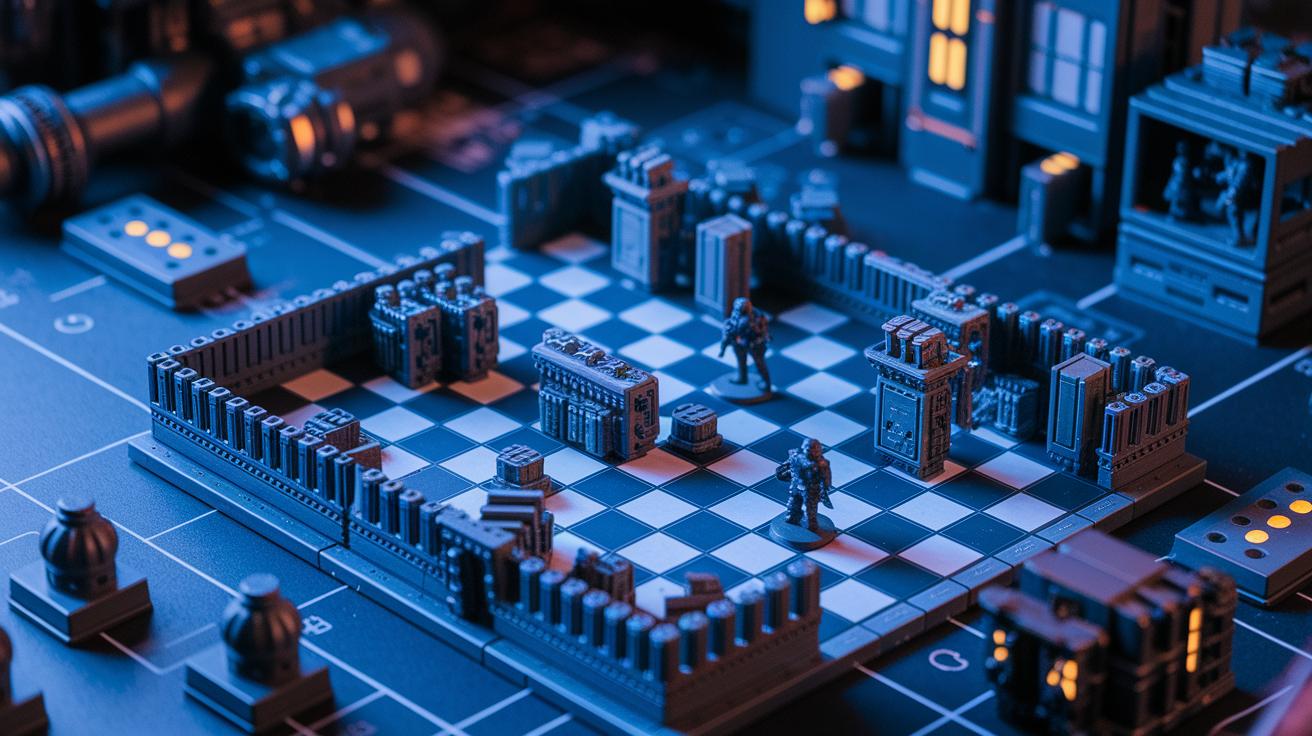
In factory sims like Factorio, layered turrets and chokepoint designs are your best pals. Imagine setting up defenses from every angle, just like placing chess pieces perfectly on a board. Fun fact: in Factorio, one smartly positioned turret can mean the difference between a calm day and a sudden alien attack.
In the Warhammer series, every battle feels like a mini-epic. You mix archers, knights, and even magical troops to create a team that works smoothly together. It’s like getting your favorite gear upgraded, you carefully boost your defenses one step at a time.
Hearts of Iron 3 puts you in the driver’s seat. Here, you manage front-line moves and handle supply lines during intense World War II campaigns. It’s all about planning your moves, tricking the enemy with flanking tactics, and keeping everyone on their toes.
- Pick defensive setups that really work.
- Use your resources to secure weak spots.
- Place your units exactly where they’re needed.
- Always have a backup plan when things get wild.
These game strategies keep you adapting on the fly. Each battle becomes a fresh challenge that rewards quick thinking and smart planning, and that hard-earned win feels awesome every time.
Case Studies: Applying Strategic Gameplay in Top Simulation Games
| Game Title | Strategic Focus | Key Mechanic |
|---|---|---|
| Civilization 6 | Turn-based grand strategy | Research Trees |
| Factorio | Modular factory design | Automated production lines |
| FTL: Faster Than Light | Real-time resource management | Crew and supply control |
| Crusader Kings 3 | Dynasty-driven diplomacy | Tutorial-driven mission planning |
| Hearts of Iron 3 | Theater-wide military control | Front-line maneuvering |
| RimWorld | Colony crisis management | Emergent event handling |
| Dwarf Fortress | Deep resource simulation | Complex asset management |
Civilization 6 is a great example of planning ahead. In the game, you set up your turn-based research tree like charting your strategy before a big battle. It’s smart to pause now and then, look over your research choices, and tweak them as new challenges pop up. This way, you always stay on track.
Factorio pushes you to think about your layout like building your own factory in a tech puzzle. Try carving your base into clear zones, one spot for raw materials and another for finished parts. This helps keep everything flowing smoothly, just like organizing your game controls before a hectic match.
FTL: Faster Than Light keeps you on your toes with quick decisions. You’ve got to watch your fuel, ammo, and crew morale all at once. Even a small move, like shifting your crew to another station during a tough fight, can turn the tide. It’s like curating your own mini-strategy on the fly.
Crusader Kings 3 makes mission planning easier with handy tutorials and tooltips. Instead of trying to tackle a huge task, set small, bite-sized goals. Every little win builds up your confidence to handle bigger challenges later on.
Hearts of Iron 3 teaches you the value of careful planning when it comes to supply lines. Take a moment to plan your defense carefully so your units get the backup they need right when it counts.
Both RimWorld and Dwarf Fortress remind you that surprises are part of the game. When unexpected events hit, be ready to shift your strategy. Keep an eye on your resources and adjust fast when things go off-script. Each surprise is a chance to learn and level up your gameplay.
Final Words
In the action, this guide to strategic gameplay in simulation video games brings the essentials together. It covers how basic principles and decision-making frameworks set the stage for solid resource management and effective defense. Clear examples show ways to balance tactics and plan against shifting threats. The discussion weaves through scenario analysis, resource flows, and combat strategies, giving you hands-on tips and insights. Keep these tactics in mind to boost your skills and enjoy your next simulated battle with renewed excitement.
FAQ
Where can I find guides to strategic gameplay in simulation video games in PDF or on Reddit?
The strategic gameplay guides for simulation video games can be found in PDF documents and on Reddit forums. They usually cover tactics, resource planning, and planning techniques in an easy-to-follow manner.
What are the progression systems and game progression examples in simulation video games?
The progression systems in simulation video games show how players grow through levels, resource gains, and unlocking new features. For example, games add challenges gradually to keep players engaged and reward strategic thinking.
What are the different 2D game perspectives, especially top-down perspective games?
The types of 2D game perspectives include side-scrolling, isometric, and top-down views. Top-down perspective games let players see the entire play area, helping in planning moves and spotting challenges quickly.
What is House game Simulator about?
The House game Simulator lets players manage virtual homes by handling tasks like budgeting, maintenance, and design. It combines planning with creative fun to deliver an engaging simulation experience.
How do simulation games like SimCity, SimCity 4, SimCity 4: Rush Hour, Stardew Valley, Cities: Skylines, and ISLANDERS compare?
The simulation games mentioned offer unique strategies. Some focus on city building and resource management while others blend life tasks with strategic planning, giving players a variety of engaging experiences.