


Ever thought your gaming hub could turn casual players into a loyal squad? Gaming hubs are now lively spots where gamers come together for epic tournaments and live streams. They quickly become the heartbeat of a gaming scene, just like a well-run server in the middle of a big match.
In this post, we're sharing cool tips on setting up a clear layout, smooth features, and fun events that make every player feel like part of the crew. Picture a hub where everyone jumps in and feels right at home, ready to tackle each challenge like a team in perfect sync.
So, if you're ready to level up your space and rally a tight-knit group, stick with us. These small changes could be the game-changer that transforms your hub into the ultimate spot for epic gaming moments.
gamer hub best practices: Winning Community Insights
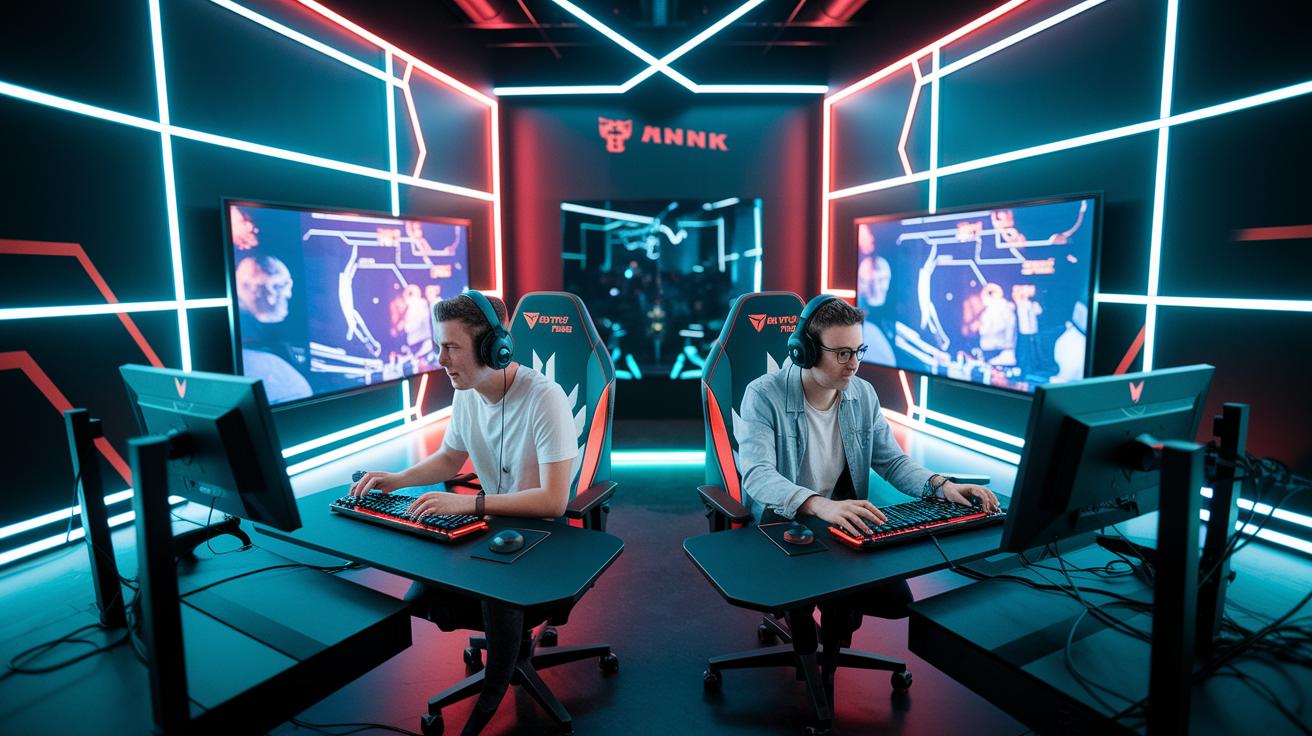
The gaming world is huge. In 2020, the industry was worth a whopping $120 billion and was set to climb to $200 billion by 2023. Gaming hubs aren’t just meeting spots, they’re where console, PC, and mobile players come together to share epic moments. Remember the days when online communities mostly lived on basic forums? Now, we get live tournaments and interactive streams that make every click count.
Social prompts like "Share This Story, Choose Your Platform!" and intros like "Meet The Gamerhub Team" build trust fast. These simple call-outs remind you that there’s a real crew behind the scene, making it super easy for newbies to join in. It’s like a friendly gaming tip, a little nudge that turns casual visits into a tight-knit crew.
At the core, three pillars keep a hub running smooth. First, you need rock-solid infrastructure that’s like a steady server during a heated multiplayer match. Second, an easy-to-navigate layout with clear menus helps you find your loot in seconds. And third, an events calendar with scheduled activities and solid support turns any hiccup into a chance to level up. Imagine planning a co-op session where everyone knows their role, that’s the vibe a great hub brings to every game session.
Player Engagement Tactics for Gamer Hub Best Practices
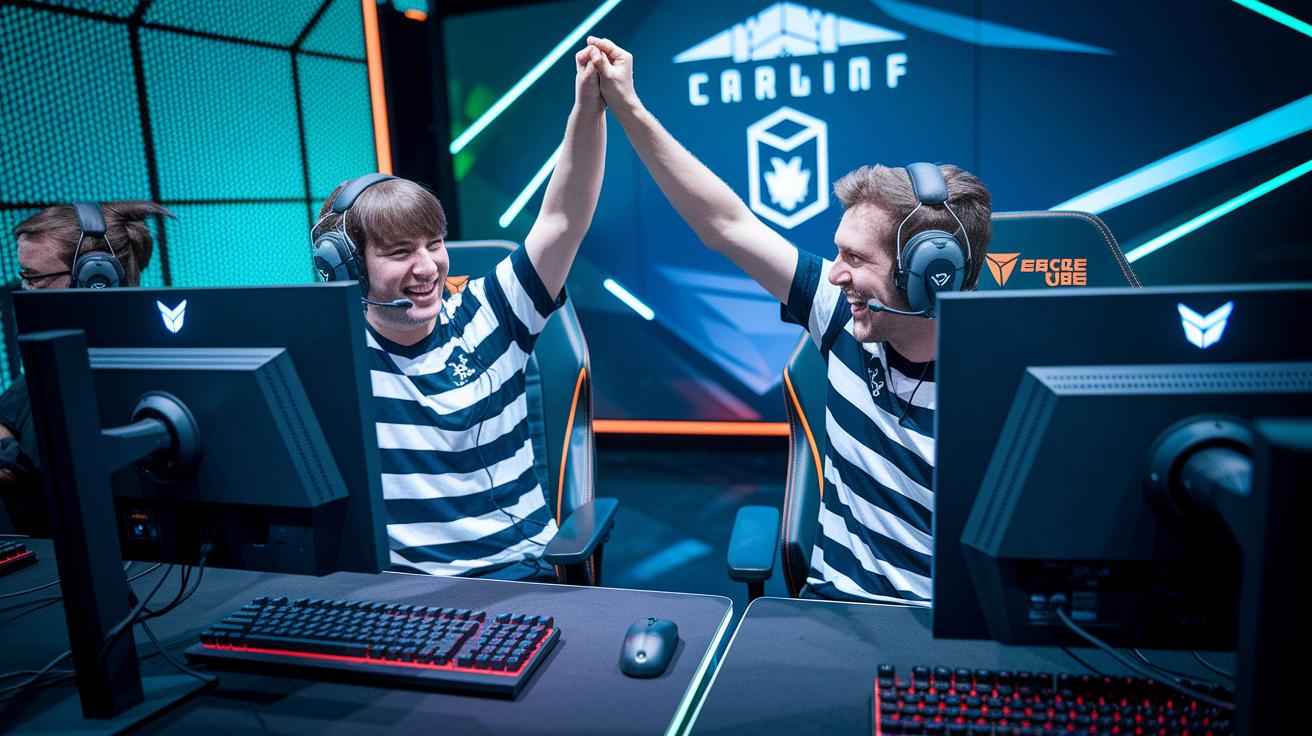
Keep your hub buzzing by mixing up activities that keep the excitement flowing. Try using familiar ideas along with some deeper, fun twists for each event.
- Weekly tournaments: Set up matchups that feel like a Saturday showdown. Think about every win adding a bit more power to your leaderboard.
- UGC spotlights: Show off fan-made content. Highlight that awesome screenshot from a community member so they feel like a real star.
- Cross-platform social sharing: Get players to spread the word across social media. Encourage them to share a cool tip on Twitter that starts a real buzz.
- Point-based rewards: Give points for every move, like collecting coins in your favorite platform game. It makes every little action count.
- Live Q&A sessions: Host live chats where experts answer questions on the spot. It’s like having a pro right there to help you out in real time.
- Loyalty badges: Reward regular players with badges. Imagine earning a new badge each time you log in, it shows off your growing expertise.
- Themed content categories: Mix up your topics weekly. One week could be all about retro game nights, and the next could focus on fresh strategies.
Slot each of these tactics on your digital calendar to keep things organized. Tools like Buildbox and Scedugame can send automated reminders and help share posts right when you need them. This way, every strategy shines without repeating the same old moves.
Community Moderation Methods in Gamer Hub Best Practices
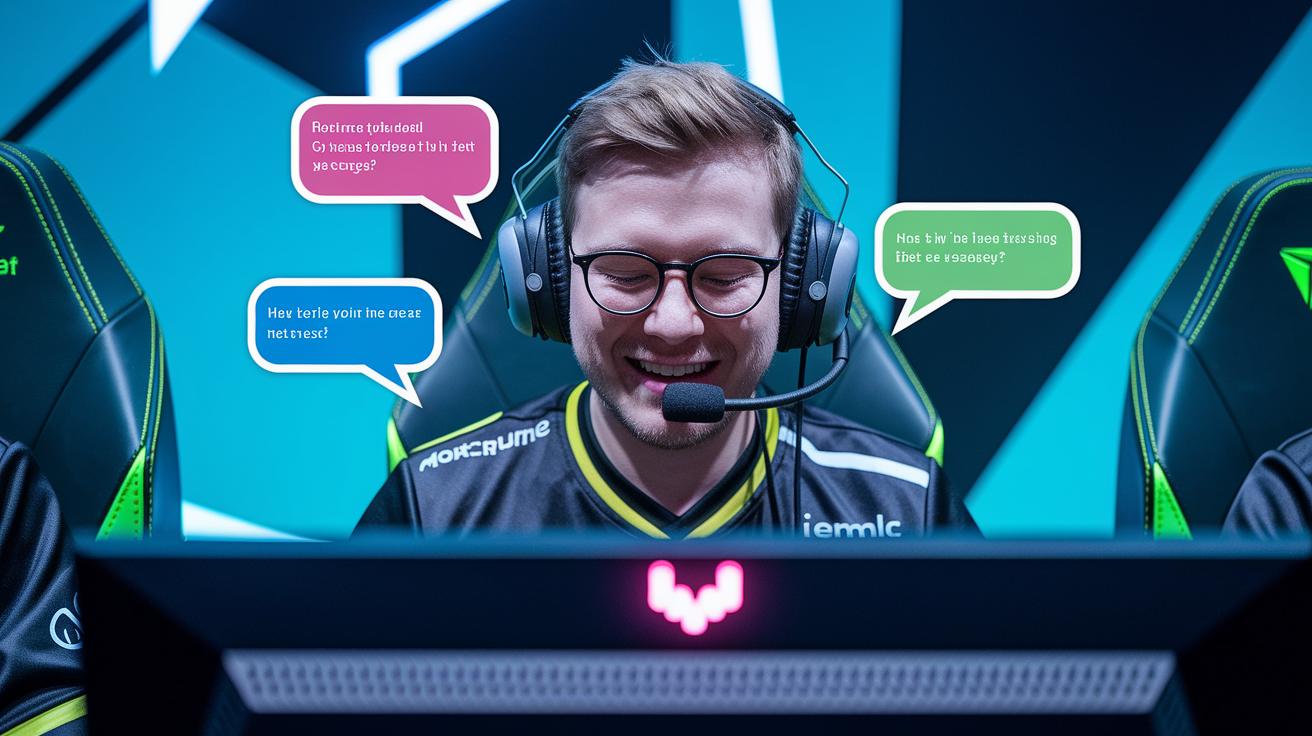
Good moderation is like the secret sauce for a kick-butt gamer hub. It keeps chats friendly and on-topic while cutting down on spam and rude messages. When things get a little heated online, having solid moderation tools really helps smooth out the rough patches. This is super important since lots of players, especially PC gamers, sometimes run into social bumps. With the right moderation, a wild chat can quickly become a chill, safe space where everyone feels like they belong.
| Moderation Action | Description | Use Case |
|---|---|---|
| Automated Content Filters | Uses AI to spot bad words and spam | Chat rooms, public forums |
| User Flagging System | Players report stuff that’s off, which gets reviewed | Offensive posts, harassment reports |
| Staff-Mediated Resolutions | Moderators step in to chat or warn | Escalated disputes |
| Community Self-Policing | Trusted members get basic mod powers | Topic-specific channels |
Regular reviews of the rules and ongoing training for moderators keep the community strong. Tweaking the rules by listening to what users are doing means small issues never turn into big problems. With a team that’s ready to jump in at a moment’s notice, players can trust that things are handled fast. This lets everyone focus on what’s really fun, hanging out and gaming together in a cool, welcoming spot.
Designing Interactive Forums for Gamer Hub Best Practices
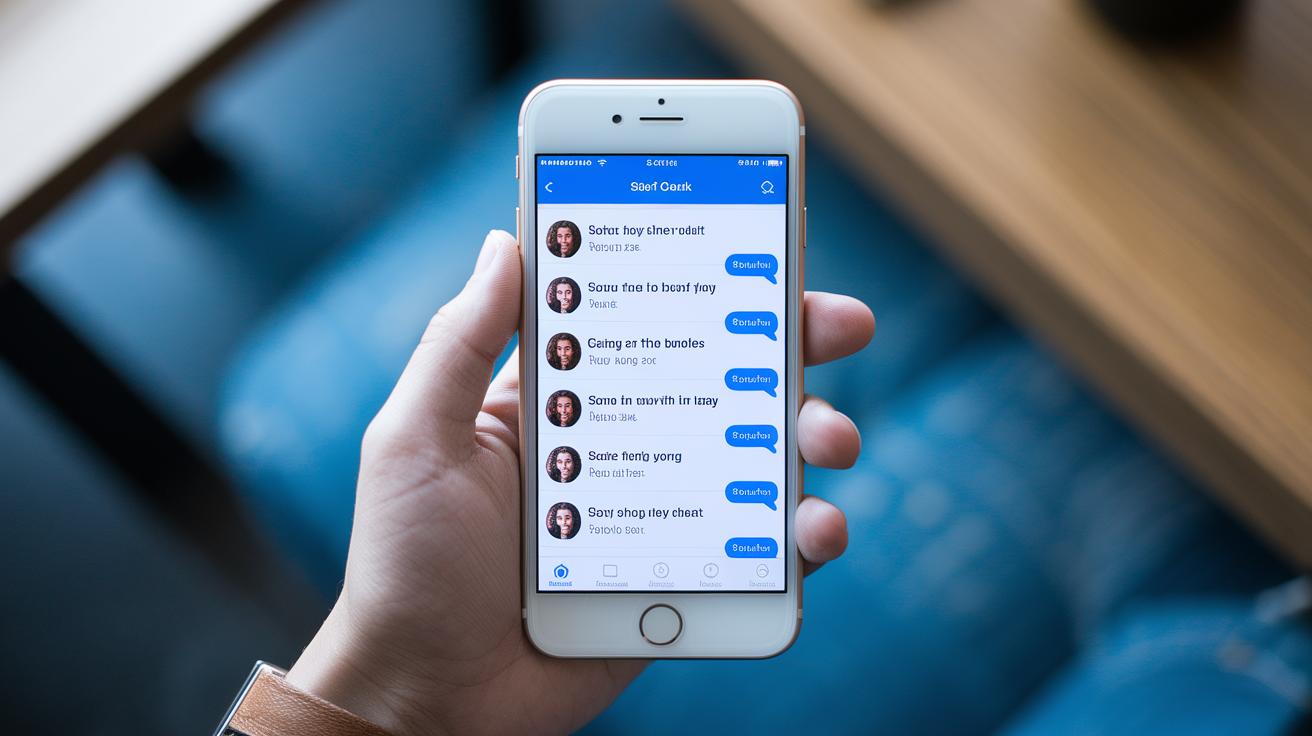
When you're setting up a gamer hub, the right communication tools make all the difference. A simple, uncluttered layout keeps things clear so players can chat, share tips, and coordinate in real time. Plus, responsive design across PCs, consoles, and mobiles means everyone gets a smooth, consistent experience. Quick visual cues or sound alerts help keep the vibe lively and on point.
Streamlined Forum Layout
A good forum kicks off with clear thread groups that neatly separate main topics from offshoot chats. Easy and minimal menus let you jump into a conversation without any fuss. The design adapts to any screen size, ensuring your desktop and phone both offer a clean, intuitive look. Think of it like following a clear map that shows you exactly where to go next.
Real-Time Chat and Voice Channels
Adding real-time chat tools and voice channels cranks up the connection during play sessions. Features like push-to-talk help you communicate quickly, while built-in moderation keeps things respectful and on track. These handy tools let gamers plan tactics fast and feel like a true part of the crew.
Clear, well-planned forums make every gaming session feel effortless and truly rewarding.
Technical Optimization in Gamer Hub Best Practices

When you're building an awesome gamer hub, starting with a flexible back-end is a game-changer. It handles loads from consoles like Nintendo Switch, PS5, Xbox Series X|S, and even head-turning devices like Meta Quest. With multi-platform hosting, smart load balancing, and auto-scaling groups working like a well-oiled team, player traffic gets spread out evenly. This means less lag and fewer outages when things get hectic. If you're curious about how to set up that solid foundation, check out our guide on building a gamer hub website.
Using a content delivery network (CDN) is another smart move, it helps reduce latency all over the world so your players enjoy smooth chats and quick gameplay responses. And don’t forget a responsive mobile UI framework. This ensures friends playing on their phones have just as fun an experience as those on consoles or PCs. With these mobile optimization techniques, your hub stays fast, fun, and ready for any rush of action.
Data-Driven Strategies for Gamer Hub Best Practices

Analytics and surveys shine a light on how players roll and what the community really thinks. Keeping track of key things like weekly active users, posts per gamer, and overall feedback helps you see what’s working, and what might need a tweak. Think of it as that quick post-game chat where a simple survey tells you if a new feature is lighting up the room or falling a bit flat.
Real-time dashboards and automated feedback loops turn raw numbers into insights you can use on the fly. Picture a tool that updates your hub’s activity live as players drop ratings and comments. It’s like having a built-in game tracker that spots shifts in player habits right away, so you can jump on changes without waiting around.
A steady cycle of reviews, A/B tests, and small tweaks keeps your hub sharp and fun. Regular check-ins on design tweaks and rule changes make sure improvements really click with your community. Even little tests, like switching up the layout or throwing in fresh gamification elements, can lead to some quick wins. This back-and-forth approach keeps your strategy fresh and your community buzzing.
Gamer Hub Best Practices Case Studies & Success Stories
Real-world examples can light a fire under your hub ideas. Some communities saw a cool 15% growth each month after adding fun features like Meet The Team and cross-platform sharing. Influencer streams and giveaways even kicked chat activity up by 30%, proving that mixing creative ideas with solid tricks really pays off.
Developer-Driven Collaboration
Try hosting live AMAs and sneak-peek patch sessions where your devs answer questions about upcoming changes. This gives everyone a backstage pass and lets gamers share their thoughts. I remember one hub that ran an AMA where a developer explained how user feedback led to a speedy bug fix – and that move boosted trust and community vibes.
Influencer and Event Campaigns
Bring in influencer-led live tournaments, social challenges, and surprise reward drops to stir up excitement around your hub. These events feel just like a live game session, packed with real-time updates and competitive fun. One success story told of a timely giveaway during a tournament that sparked non-stop chat and brought fans back again and again.
Key takeaways? Blend regular developer hangouts with influencer events. Scheduled sessions build honest connections, while planned live events keep the energy high. Even small changes can boost sharing, get players involved, and build a tight, steadily growing community.
Final Words
In the action, we broke down key aspects like core best practices, player engagement tactics, moderation, interactive forum design, technical optimization, and data-driven methods. Each section gave quick, actionable insights, like tackling server issues and fostering community bonds, to boost any hub into a solid space for gamers.
We wrapped up with case studies that prove real impact, inspiring us all. Keep these gamer hub best practices in mind as you fine-tune your platform for stronger connections, smarter strategies, and lasting fun.
FAQ
Gamer hub best practices reddit
The gamer hub best practices on Reddit highlight community engagement tips, clear posting guidelines, and responsive design updates that keep forums active and welcoming.
OMEN Gaming Hub
The OMEN Gaming Hub focuses on blending high-performance hardware insights with community tools, offering gamers fast access to system management and helpful gameplay optimization tips.
Game Hub
The Game Hub acts as a central spot where players gather, share content, and connect with others through features like social sharing prompts and easy-to-use communication tools.
Game UI
The Game UI bridges players into the game, displaying essential info and controls through a clear, intuitive layout that keeps gameplay smooth and engaging.
What is the 40 second rule in gaming?
The 40 second rule in gaming suggests players decide within 40 seconds about giving a new feature or mode a try, using initial impressions and quick performance cues to guide their choice.
What are the big 3 in gaming?
The big 3 in gaming often refer to major gaming systems or platforms known for setting trends, driving innovation, and leading community standards through their extensive game libraries.
What is the purpose of the gaming hub?
The purpose of the gaming hub is to provide a central place for gamers to share tips, join events, and interact in a community that supports discussion, collaboration, and competitive play.
What is the difference between HUD and UI?
The difference between HUD and UI is that HUD shows live game data like health and ammo during play, whereas UI covers menus and settings that help players tailor their overall gaming experience.