


Ever wonder why some game parodies really hit home with both laughs and smart insights? Bold and Funny Reviews gets right to the point, like landing the perfect combo in a heated match. We take well-known game themes and give them a fresh, clever twist that turns complaints into chuckles and regular thoughts into epic wins.
In this review, we mix humor with sharp critiques to keep the fun alive while staying true to the game. Ready to see how game parody reviews can be as daring as they are hilarious?
Essential Criteria for Impactful Parody Critiques in Gaming

When you're poking fun at a game, being clear about your target is like landing that perfect combo move, it hits with precision and keeps things smart and friendly. Setting the stage clearly lets everyone know who or what you're teasing, so the satire feels spot-on and easy to follow.
A strong review has solid benchmarks that keep the analysis from drifting. Mixing a good dose of humor with sharp observations is key. Imagine spotting that endless “die, reload, repeat” routine in Far Cry 3; it’s like noticing the same glitch in your favorite game. This approach is exactly what top game critics swear by: analysis that’s as witty as it is insightful.
| Key Points |
|---|
| Clear target for the satire |
| Mix of humor and solid insight |
| Dive deep into narrative and game mechanics |
| Consistency in tone throughout |
These points serve as handy checkpoints that guide you in uncovering a game’s many layers while keeping the review fun and to the point. Once you nail the basics, you can dig deeper into the details without losing that playful vibe, like unlocking a bonus level that’s both clever and entertaining.
Narrative Lampoon Assessment in Game Parodies

Game parodies take well-known story beats and flip them into playful jokes. They twist the classic themes you know so well, like massive hero quests and dramatic villain speeches, into pure fun. This clever spin not only makes reviews feel fresh and friendly but also calls out the same old tropes that most games lean on.
Repetition and Loops
Parodies love to mimic gameplay mechanics through repetition. They repeat key moments, imagine missions that just keep coming back or dialogue that stays in a loop. Take that "die, reload, repeat" vibe from Far Cry 3, for instance. It makes you think of a quirky bug that just won’t quit, pointing out how games can sometimes get stuck in a routine.
Character Caricatures
In these parodies, characters are pushed to the extreme. Heroes end up way too brave, and villains become outrageously dramatic. Every trait is dialed up, making the roles hilariously overblown and easy to poke fun at. This playful exaggeration brings a touch of irony, blending serious narrative ambition with tongue-in-cheek humor. Ever notice how a familiar trope suddenly feels both epic and absurd? That’s the charm of it all.
Gameplay Lampoon Study for Effective Parody Critique

Gameplay can be a fun way to poke fun at game design. It’s a bit like teasing a pal about their quirky controller, you notice the odd bits and they set up a good laugh. When a game gets stuck in endless loops or uses over-the-top mechanics, it turns into perfect parody material. Laughing at these quirks not only entertains but also highlights design details that might otherwise slip by unnoticed.
- Infinite respawn loops
- Overpowered weapons
- Repetitive side quests
- Unskippable cutscenes
- Deliberate optimization glitches
Take a look at these five points. They show how common gameplay issues can turn into running jokes when critiquing a game. For instance, that never-ending respawn loop can be a funny nod to a character who just never stays down. Similarly, overpowered weapons exaggerate balance mistakes that are ripe for lighthearted mockery. When reviewers point out repetitive side quests or unskippable cutscenes, they underline how some design choices force you into a predictable routine, all while making you smirk.
Mixing humor with game insights means celebrating both the screw-ups and the fun parts of a game. By exaggerating control quirks and highlighting joke-worthy features, a review not only gets you laughing but also makes you think about how the game was built. It’s like sharing a laugh with friends over those imperfect game moments that feel so familiar.
Visual and Production Quality in Parody Critique

Talking about art direction in game parodies is like catching a wink from an old friend. Clear, snappy visuals set the mood instantly and make the joke hit harder. When the art is on point, it not only boosts the humor but also turns little production quirks into playful commentary. Think of it like a comic strip that cranks up every detail to show off the gap between a slick game and its funny, spoofed version.
Using pixelated effects or glitch filters gives that low-fi charm, a clever twist on high-end graphics. Creators mix cool indie styles with big-budget looks to point out design slip-ups, all while keeping the humor front and center. Even the smallest production choice can be turned into a great laugh. Check out this game art review for more insights: https://funcomputers.com?p=.
This blend of artistic spoofing and technical wit really lifts the whole parody experience.
| Technique | Parody Effect |
|---|---|
| Low-res filters | Mimics expensive visuals in a playful way |
| Over-the-top outfits | Exaggerates character design for laughs |
| Deliberate bugs | Turns game glitches into clever humor |
These techniques are key tools that make reviews both bold and truly funny. They perfectly balance a light mockery with artful design. Absolutely brilliant.
Humor and Satire Breakdown in Game Parody Critique
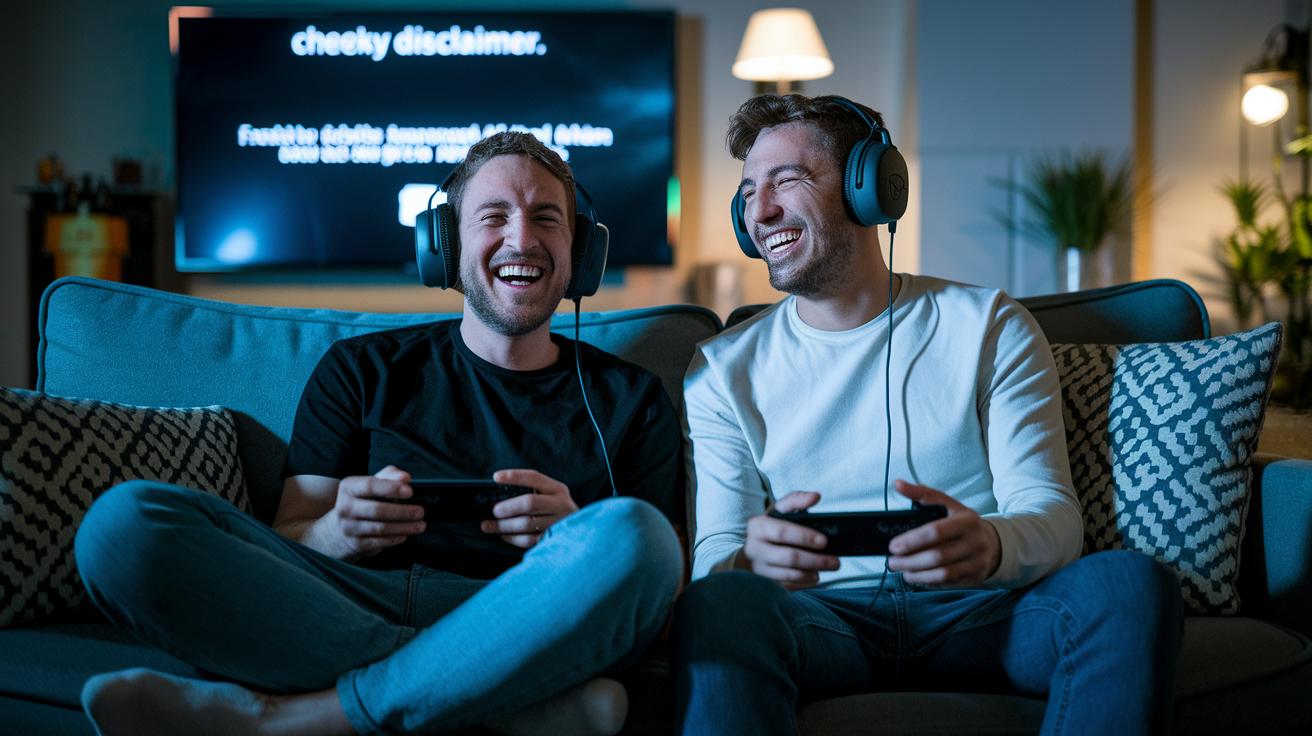
Satire in gaming flips familiar moments into playful nods that feel both clever and unexpected. Think about LawBreakers’ disclaimer, a cheeky wink that tells you some points might hit close to home, but the review isn’t meant to be taken 100% seriously. It’s like sharing an inside joke with your gaming crew, making you chuckle as you spot those recurring gaming clichés.
Here are some cool tricks this style uses:
| Trick | Description |
|---|---|
| Irony | Takes what you expect and twists it unexpectedly. |
| Mimicry | Uses familiar voiceovers or dialogue in a funny, offbeat way. |
| Visual Puns | Adds meme overlays or silly images as extra laughs. |
| Fourth-Wall Winks | Nods to you as the player, making it feel like you’re in on the joke. |
Each of these techniques flips the usual game story or mechanics. Irony twists what you thought you knew, while mimicry turns a hero’s catchphrase into something absurd. Visual puns pack in extra humor with surprise memes that’ll remind you of your late-night gaming sessions. And those fourth-wall winks? They give you that warm, communal feeling, like the game is chatting with you directly. All together, these methods keep things light and fun, inviting you to laugh at the quirks you’ve experienced yourself.
Comparative Spoof Analysis: Parody vs Original Game
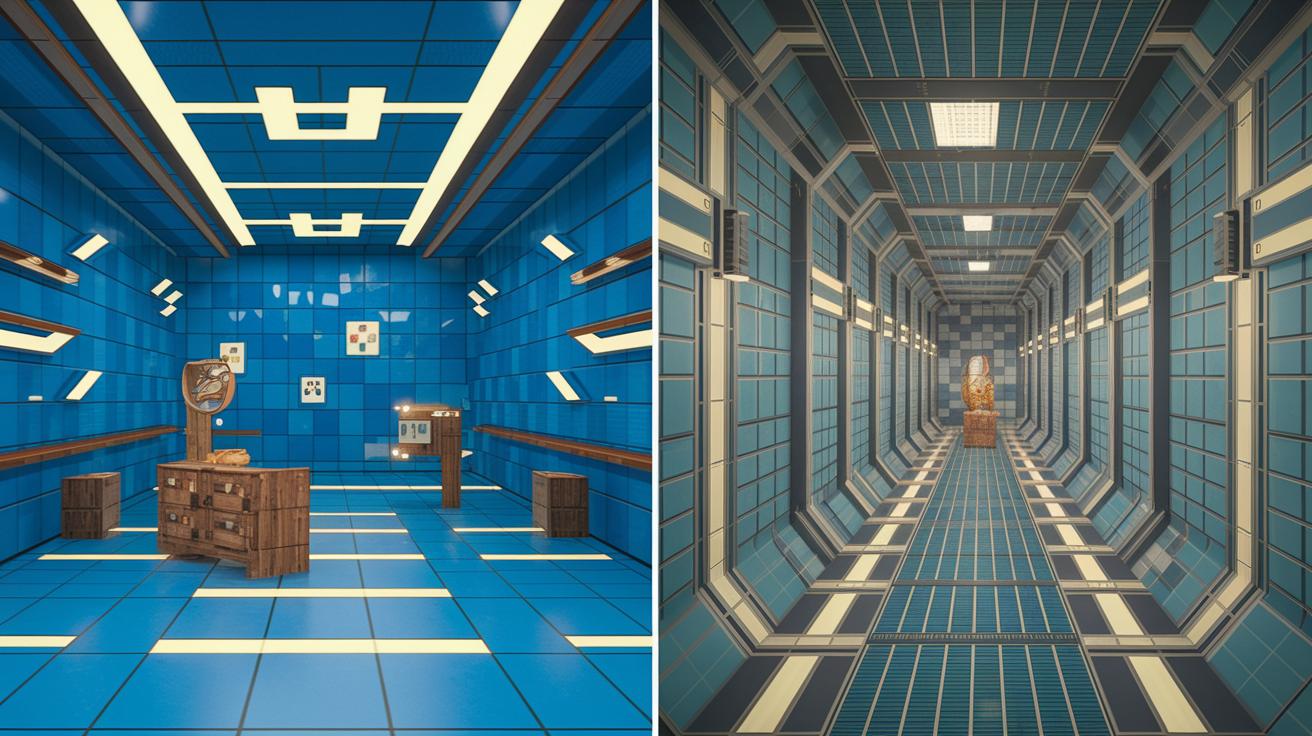
When you compare a parody game side by side with the original, things become much clearer. It’s like lining up your favorite and not-so-favorite game features to see what really stands out. Reviewers dig into core parts of a game, think gameplay, story flow, and design style, and show how these parts get twisted or made even simpler in a parody. They point out both the cool elements and the funny quirks that make the original ripe for a good laugh. For instance, imagine a huge open world being shrunk down to a tiny, straight corridor that gently mocks the idea of endless exploration. In doing this, the parody gives a nod to what works well while playfully teasing those well-worn game tropes.
| Original Element | Parody Treatment | Impact |
|---|---|---|
| Open-world exploration | Linear corridor level | Mocks freedom illusion |
| Main villain speech | Overlong rant loop | Mocks narrative padding |
| Resource crafting | Endless duplicate items | Satirizes grind |
These head-to-head comparisons show that parody critiques aren’t just about cheap laughs. They act like a fun mirror, reflecting where a game really shines and where it’s stuck in the same old patterns. This mix of humor and insight helps gamers see familiar titles in a fresh, new light, inviting both a good chuckle and a thoughtful look at game design.
Engaging the Audience: Cultural Satire and Parody Critique

The real magic of game parody critiques is the community behind them. When you drop a witty review, it sparks chat and feels like an inside joke shared between pals. It’s all about those familiar memes and nods to legendary gaming mishaps. Ever recall that epic LawBreakers moment where a glitch made everyone laugh? That shared humor not only unites fans but turns reviews into lively hangouts rather than just printed words.
- Social media share rates
- Forum thread activity
- User-generated content spin-offs (like memes or fan art)
Watching these numbers is like checking your score after a tough match, it shows how your review hit home. When fans start sharing clips or flooding forums with fan art, it’s clear your satire landed perfectly. This feedback helps you see what really made the crowd laugh, so you can fine-tune your tone and keep the jokes rolling while staying true to the culture you love.
Final Words
In the action, we broke down what makes a solid game parody critique. We ran through clear satire targets, a mix of humor and insight, and even explored spoofed gameplay and visuals. Each section helped us see how clever commentary can turn game flaws into funny moments. The blog highlighted key criteria that add fresh life to familiar tropes. It’s amazing how a few smart tweaks and a dash of wit can keep the critique engaging and fun. Here’s to more creative spins and enjoyable reads ahead!
FAQ
Q: What is the critique of gamification?
The critique of gamification examines how adding game elements to non-game tasks can sometimes oversimplify complex issues and reduce genuine engagement by relying too much on rewards.
Q: What is parody vs spoof vs satire?
The parody vs spoof vs satire comparison shows that parody imitates styles for humorous effect, spoof exaggerates quirks for laughs, and satire uses humor to call out real issues in society.
Q: What is the cringe game?
The cringe game refers to titles that trigger secondhand embarrassment through awkward design or clumsy humor, making players cringe instead of enjoying the experience.
Q: Are parody video games legal?
The legality of parody video games is backed by free speech rules, as they transform original content with humor and critique, keeping them on the right side of copyright laws.