


Ever thought RPGs were just about flashy outfits? Think again. Modern RPGs mix cool character upgrades with story-driven growth to create epic gameplay. Games like Persona 5 Royal, Divinity, and The Witcher 3 let you tweak your hero’s traits and skills, making each playthrough unique. We'll dive into the fun perks as well as the occasional glitches in these creative builds. Trust me, character building is way more than numbers, it’s all about making your adventure unforgettable.
Comprehensive expert review of RPG customization and progression systems

The best RPGs of 2025 mix cool character tweaks with deep game progress. Take Persona 5 Royal for example. It blends old-school leveling with story-driven Confidant bonds and Persona fusion, making every choice feel important. Ever notice how you start by watching characters grow before unleashing epic powers?
Some games break the mold completely. Divinity: Original Sin II ditches traditional classes, letting you mix and match skills and traits to create your own unique powers during quests. Meanwhile, The Witcher 3 lets you spread points across combat, magic, or alchemy, and its Blood and Wine expansion even adds a Mutation system for finer build tweaks. And then there’s Soulbound, which uses a classless, use-based system across 14 different skills, so every action and resource matters big time.
Other titles stand out too. Guild Wars 2 keeps things fresh past level 80 with its Mastery system and Elite Specializations. Warframe impresses with over 50 character builds, powered by a heavy mod system and evolving Mastery Rank. Every system has its highs and lows, offering cool flexibility and personalization, but sometimes creating issues like uneven skill balance or steep learning curves for newcomers.
At its core, these systems show that customization isn’t just about cool skins, it’s a mix of great storytelling, smart choices, and clear design. By spotlighting both bold character growth and unique game mechanics, it’s easy to see why gamers love these RPGs for their deep, rewarding paths.
In-depth customization system critique across leading RPGs
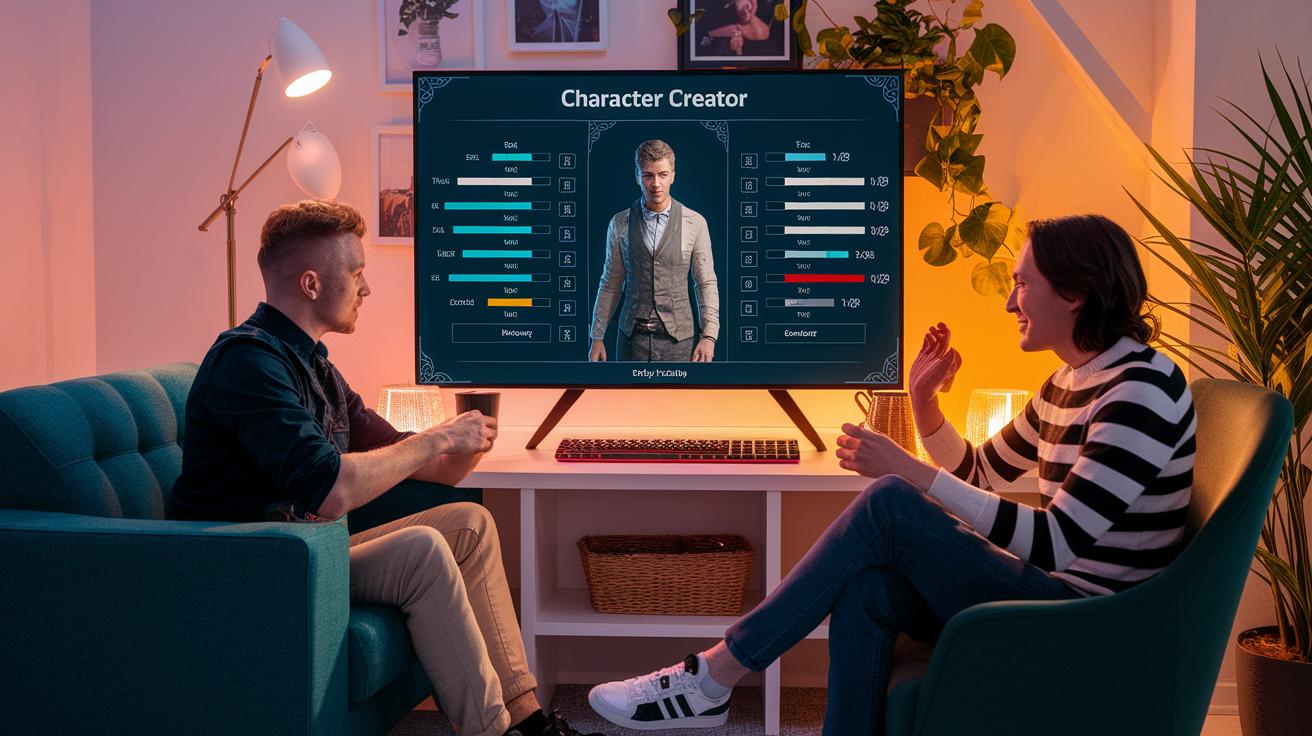
Customization is at the heart of any great RPG. It’s what lets you shape your own in-game hero in ways that feel personal and unique. When you can fine-tune your character's traits or combat moves, every choice counts and truly reflects your style.
Developers mix old-school leveling with fresh, modern tweaks to bridge the gap between classic gameplay and new ideas. They’re taking familiar features and spicing them up with creative twists. This blend boosts immersion, making your gaming experience feel both familiar and excitingly new.
Here's a quick look at some cool examples of these systems:
| Game | Customization Feature |
|---|---|
| Persona 5 Royal | Persona fusion and Confidant progress |
| Divinity: Original Sin II | Classless skill mixes and Source powers |
| Warframe | Mod build flexibility with ever-changing content like Necramechs & Focus Schools |
| Path of Exile | Huge passive skill tree with Ascendancy classes |
| Final Fantasy XIV | Job-swap system that mirrors your gear |
| Soulbound | Use-based tiered skills paired with a player-driven economy |
Interface personalization is just as important as the features themselves. A clean, adaptable UI means you can tweak your settings on the fly without slowing down the action. Think about Warframe: its user interface makes adjusting mods feel natural rather than overwhelming. Or consider Final Fantasy XIV, where a dynamic design helps sync your job swaps with gear changes. All these touchpoints give players more control, making every customization tool easy to use and a key part of the overall experience.
Comparative RPG progression evaluation and methodology analysis

Ever noticed how your character’s build can change every bit of your RPG journey? Each game has its own way of ramping up your hero. Some games feature slick skill trees, while others level you up based on your actions in the game. These choices don’t just decide how fast you unlock cool abilities, they also shape your gameplay strategy.
Looking at these systems side-by-side shows just how much the method matters for your game feel and personal control.
| Game | Progression Type | Notable Feature |
|---|---|---|
| Diablo IV | Skill Tree and Paragon System | Levels 1 to 100 with gear upgrades |
| Skyrim | Use-Based Advancement | Progress tied to actions like weapon swings and potion crafting |
| Fate Core | Milestone-Based Progression | Key story moments drive character growth |
| Cyberpunk 2077 | Hybrid Progression System | Merges XP, skill-use, and story reputation |
| Baldur’s Gate 3 | D&D 5E Framework | Custom ability allocation with multi-class options |
Each system comes with its own pros and cons. Diablo IV’s planned-out path rewards careful setup but might seem too fixed if you like a more spontaneous feel. Skyrim’s method of leveling by doing is immersive, though it can lead to uneven growth. Fate Core’s story-driven milestones pack narrative punch but might leave out nitty-gritty control over stats. Cyberpunk 2077 blends different factors for a dynamic, if sometimes complex, challenge. And Baldur's Gate 3 sticks to classic D&D rules, familiar, yet it might hold back creative tweaks. All these trade-offs show how different design styles can shape your RPG experience in unique ways.
Balance and optimization assessment in RPG advancement

Ever played a game where balance makes all the difference? Top titles like The Witcher 3 mix clear, simple ideas with cool twists. They throw in features like the Mutation system to give your late-game builds extra spice. Then there’s Path of Exile with its massive tree of over 1,300 nodes, where every branch is carefully checked to keep things fair. And think about Warframe, its Focus School lets you level up smoothly without any sudden power surges. Game creators have to juggle deep mechanics and easy fun, making sure every player gets a fair fight.
Developers put a lot of thought into how you manage resources and allocate abilities. Take Baldur’s Gate 3, for example, it blends multi-class choices and psychic tracks that demand smart point picks. Other games adjust stat growth to support lots of different playstyles. This careful balance lets every journey feel tailored, so you can try various tactics without one option stealing the show. It’s a win whether you’re a hardcore strategy buff or just into casual gaming.
Key balancing tricks include recalibrated XP scaling, modular ability tuning, and adaptive stat checkpoints.
Narrative integration review in RPG progression systems

RPG progression systems that mix storytelling with gameplay mechanics bring the game world to life. Think about Persona 5 Royal – it ties stat boosts to Confidant ranks, so every level-up feels like a cool part of your character’s story. Every time you power up, it feels like an epic scene straight out of a movie. This mix makes the game feel more exciting and real.
Baldur’s Gate 3 does something similar by linking psychic abilities to big story choices. You have to decide carefully, knowing that your choices give you real rewards in the game. As you go through quests and key moments, you see your character grow stronger. In Final Fantasy XIV, unlocking new jobs and gear happens during important plot milestones, so moving forward in the story means getting better gear too. Every decision you make pushes both your character and the story ahead, making every upgrade part of the adventure.
Guild Wars 2 adds extra flavor by mixing lore achievements into its Mastery paths. This means your battle skills and big story moments go hand in hand, adding a fresh burst of energy whenever you score a power boost. The game’s design makes every moment feel connected, creating a steady, interactive rhythm that pulls you right in.
When story and gameplay come together like this, the RPG world feels more alive – almost like it’s sharing a personal story just for you.
Interface personalization and mod feature evaluation in RPG growth

In games like Warframe, mod systems have become real game-changers. They let you swap out your load-out while the action heats up. Warframe gives you mod slots so you can tweak your gear on the fly. Over in Path of Exile, smart UI overlays and build planners help you fine-tune even the trickiest setups. Skyrim now features skill trackers and HUD mods that react right along with your tactics, while Final Fantasy XIV lets you customize modules based on your role. Think about it like this: swapping a mod as fast as you change tactics in a heated game, a swift, player-driven move.
A clear, adjustable interface makes the game feel like it was built just for you. Simple screens that show your key stats let you see your progress in just a glance, giving you a solid snapshot of your entire game plan.
Final Words
in the action, we examined key elements from character builds to leveling mechanics, highlighting how systems shape gameplay. We broke down player customization, interface tweaks, and game progression.
This expert review of customization and progression systems in RPGs wrapped up our look at game design without skipping the small touches that matter. We highlighted system balances and design trade-offs while keeping the excitement alive. Here’s to pushing the limits in gaming and enjoying every fresh update with enthusiasm.
FAQ
What do RPG progression systems mean?
The discussion about RPG progression systems points to how games let you advance characters through levels, skill trees, and story milestones, making gameplay more satisfying as you improve and customize your hero.
How does good character progression enhance gaming?
Good character progression means that clear upgrade paths and evolving abilities reward your gameplay efforts, giving a tangible benefit to every win, upgrade, and strategic choice.
Which games are considered the best progression titles for 2025 and great single-player experiences?
This focuses on titles with innovative leveling, diverse challenges, and rich narratives that keep your overall gaming experience both engaging and rewarding.
What are some standout fantasy RPG games for PC, including free options?
This query highlights hit titles like Elden Ring and free RPG options that offer immersive worlds, deep customization, and varied class systems to suit many playing styles.
Which RPG games offer impressive class-based mechanics and customization?
This refers to titles such as Divinity: Original Sin 2, Baldur’s Gate 3, and the Pathfinder series that provide robust class choices and layered character enhancements for strategic gameplay.