
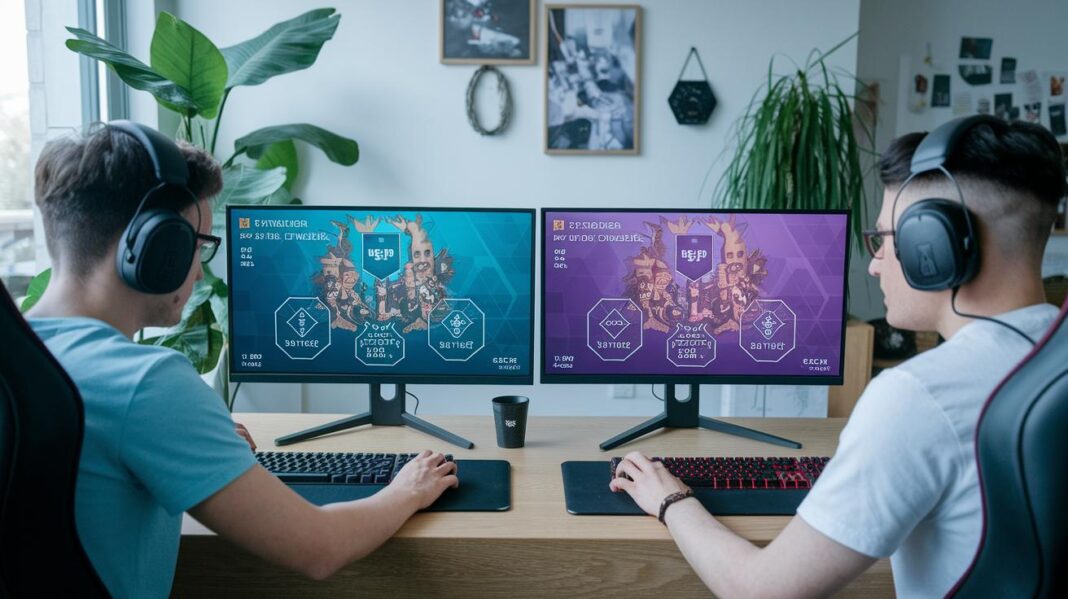

Ever feel that playing together just makes the game so much better? Co-op mode lets you and your friends work side by side, taking on tough challenges and building real bonds along the way.
Behind all that teamwork is smart tech working with clever team plans. Whether you're planning your next move or celebrating a hard-earned victory, every step shows why playing together feels so awesome.
Ever wonder what makes co-op so magical? It all comes down to syncing up with your buddies, so even the biggest battles start to feel a bit easier. Get ready to experience the fun of true teamwork!
Core Dynamics and Appeal of Cooperative Gameplay Modes
Co-op modes let players team up and work towards common goals. In these sessions, everyone chats, plans, and pulls off strategies together, like picking roles such as healer, tank, or damage dealer. Imagine facing down a tough boss and perfectly coordinating your moves with friends. It’s all about that rush from solving problems together and sharing the thrill of victory, while also helping everyone keep the game moving smoothly.
Playing together isn’t just about the in-game action, it builds real connections too. Studies show that teaming up makes gaming feel more fun and welcoming. When you work with your friends to nail down strategies or crack puzzles, it gives you a sense of belonging. Ever notice how a win feels even sweeter when you share it with your crew? This social vibe boosts the urge to play more and helps forge strong friendships and better teamwork skills over time.
Behind the scenes, solid tech keeps the co-op magic alive. Developers use smart networking and sync systems to make sure everyone sees the same game state in real time, cutting down on lag. They test these systems by simulating busy sessions to catch any hiccups early and fine-tune things, so that every co-op match feels smooth, fair, and immersive. It’s a bit like making sure every teammate’s controller is perfectly synced for that epic gaming moment.
Key Design Principles in Cooperative Gameplay Mode Development
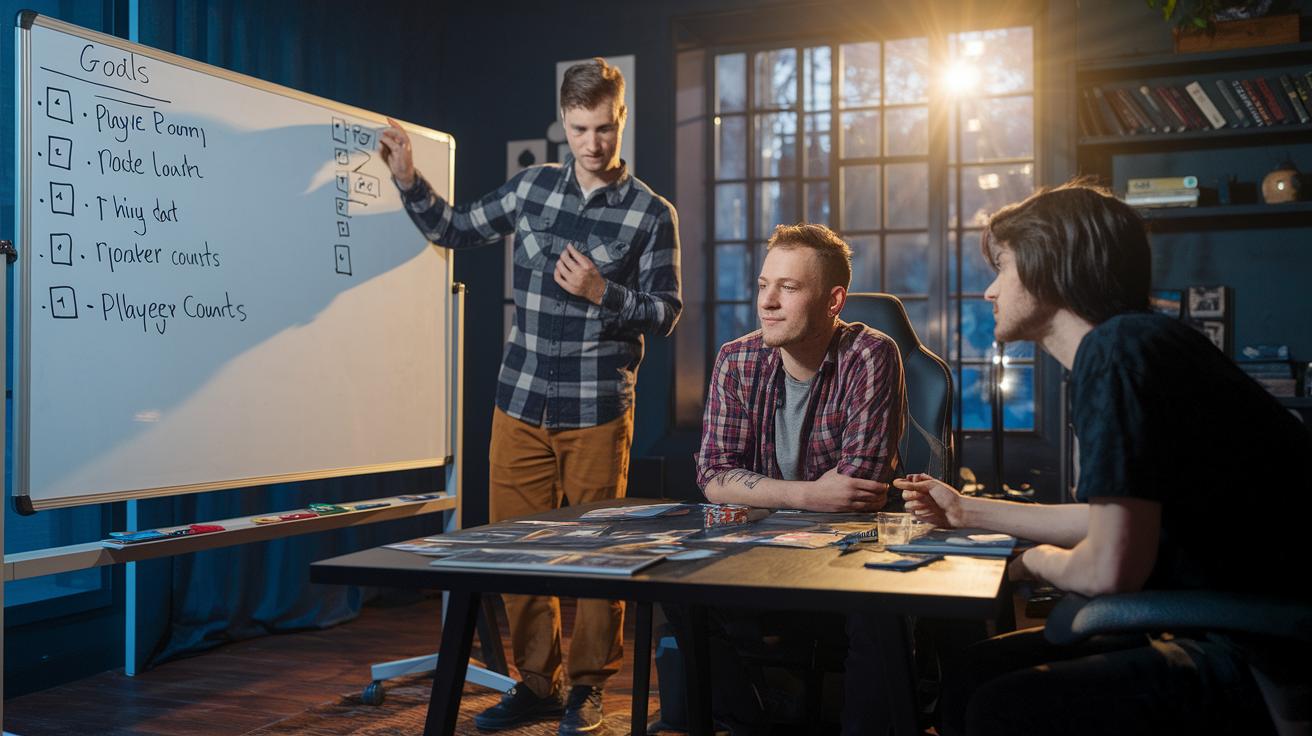
Designing co-op modes is a lot like planning the perfect team match with your buddies. Every phase stacks on the previous one, making sure your game feels both fun and challenging from start to finish. First up, developers nail down the game’s goal, decide on how many players can join, and plan for an awesome experience even before the first round begins.
Let’s break it down like you would prep for a raid:
- Conceptualization – Set your game goals, pick how many folks will join, and decide what winning looks like. It’s like sorting out roles before heading into a big raid.
- Prototyping – Build a simple, basic playable version to test out the main ideas. Think of it as running a quick demo to see if the plan actually works.
- Playtesting – Let real players check out the game, giving feedback on things like the challenge level and how well everyone works together. It’s like having your friends review your strategy before the big battle.
- Refinement – Tweak any bugs, adjust the pacing, and add in the story elements. This step is like patching up a game after players flag a few issues, ensuring everything from AI moves to the storyline is spot on.
Each of these steps helps turn a rough idea into a fully engaging co-op experience that all players can enjoy.
Technical Foundations of Smooth Cooperative Interactions
When you jump into a co-op game, the way players connect really changes how smooth the game feels. In smaller games, peer-to-peer setups let you connect directly with your buddy, so actions show up with almost no lag. But in larger sessions, the client-server model is like having a team leader who keeps everyone in sync. Every move, from a quick dodge to a big attack, gets updated almost instantly for all players. And thanks to built-in chat systems, you get crisp voice calls and fast data sharing so that the game stays fair and fun.
Testing is a huge part of making sure co-op games run without hiccups. Engineers put the game through all kinds of network stress tests – like crowded matches, dropped data packets, and jittery delays – to catch issues early. They run trial after trial to check that updates and communications work smoothly even when things get hectic. This careful testing helps them fine-tune the syncing and beef up communication channels, so lag and sudden freezes get kept at bay. In the end, it all comes down to keeping your multiplayer sessions feeling fluid and totally responsive.
Case Study Analysis of Cooperative Mechanics in Overcooked, Divinity: Original Sin 2, and Portal 2

We picked these games because they each bring a unique twist to teamwork. Overcooked challenges you with ticking clocks and messy kitchens where every second counts, players must chat fast and move even faster to beat the heat. Divinity: Original Sin 2 lets you juggle different characters, weaving together branching stories as you work side by side with friends. And Portal 2 throws you into separate puzzle rooms where both partners need to time their moves just right, kind of like a perfectly synced co-op trick.
For more game-specific tips, hop on over to video game walkthroughs at https://funcomputers.com?p=247.
| Game Title | Co-op Feature | Player Impact |
|---|---|---|
| Overcooked | Timed challenges and shared workspaces | Hones quick chat and decision skills under pressure |
| Divinity: Original Sin 2 | Control of multiple characters with branching tales | Makes the story richer and lets everyone shine in their role |
| Portal 2 | Separate puzzle zones needing teamwork | Demands sharp timing and perfect partner moves |
All in all, these games remind us that good teamwork means talking clearly and moving in sync. Overcooked shows that racing against the clock can really boost your teamwork skills, while Divinity: Original Sin 2 proves that combining different roles creates a deep, shared adventure. And Portal 2? It teaches us that even puzzles can become epic challenges when everyone’s on the same page.
In short, thoughtfully designed co-op features not only push us to work together but also make the game experience more fun and engaging every time you play.
Balancing Cooperative Elements: Advantages, Challenges, and Mitigation Strategies
Co-op gameplay is awesome because it builds strong bonds between players. Sharing wins and losses forms a tight-knit crew, and the game stays fresh as players keep coming back for more adventures. Teams that work well together feel like they’ve planned a perfect match, adding extra fun to every session.
But, there are issues that can mess with a good gaming experience. Sometimes, sync errors can stop real-time actions, which are fixed by keeping an eye on network performance. Other times, different group sizes can throw off the balance, but adaptive matchmaking helps even things out. Match-making can also pair players with very different skills; here, using tools to analyze each player’s level makes sure everyone’s on the same page. Then, latency can slow things down, so regular quality checks are needed. And don’t get me started on communication glitches during team chats, they’re tackled with quick bug fixes and constant system monitoring.
Developers keep this mode top-notch by updating it all the time. They listen to player feedback and do tons of testing to fix little problems before they become big ones. Even if new challenges pop up, updates roll out fast so the game stays fun and fair for everyone.
Expert Critique and Recommendations for Next-Generation Cooperative Modes
A lot of co-op modes today miss the mark by not fitting both newbies and seasoned players, and they tend to struggle when things get really hectic. It feels like some games don’t layer their stories deep enough or provide the backup needed when too many players hit the peak of action. Designers have a cool chance here to build experiences that work for everyone and keep every session running smoothly.
Here’s a quick rundown of ideas:
| Step | What to Do |
|---|---|
| 1 | Create a design that’s welcoming for both casual players and veterans, so everyone enjoys the game without hiccups. |
| 2 | Set up a system that scales smoothly when more players join in, no lag during the big action scenes. |
| 3 | Add layers to the game’s story so that every player feels like they’re on an epic shared journey. |
| 4 | Encourage community-driven updates with regular content boosts and fun challenges that keep the excitement rising. |
| 5 | Keep communication open with players so real-time feedback can balance the gameplay on the fly. |
Regular updates driven by player input are key to keeping the co-op experience fresh. When designers get feedback straight from the players, they can patch up problems quickly, as if they’re fixing a glitch right in the middle of an epic raid. This back-and-forth chat between gamers and developers not only fixes technical issues but also keeps the gameplay evolving with the latest trends.
Designers should keep an eye on how player habits change and how new tech develops so they can continue tweaking the game to keep it fun and reliable. For more cool insights, check out what game critics have to say at https://funcomputers.com?p=297. By blending both hands-on feedback and solid data, developers can create co-op modes that are tough, engaging, and always ready for the next challenge.
Final Words
In the action, the article broke down the core dynamics of cooperative gameplay modes, from shared objectives and player retention to the technical blueprints behind smooth interactions. Key design steps and practical case studies showed how sync strategies and player feedback fuel better gameplay experiences.
Expert analysis of cooperative gameplay modes in video games ties these insights together, highlighting how smart tweaks can boost both individual skills and community spirit. Overall, the future of co-op gaming looks bright and full of exciting potential.
FAQ
Q: What is cooperative play in video games?
A: Cooperative play in video games is a mode where players work together toward shared objectives. It emphasizes teamwork, synchronized actions, and real-time communication.
Q: What is the game theory of cooperative games?
A: The game theory of cooperative games studies how players collaborate to achieve common goals. It analyzes strategies, shared rewards, and the impact of teamwork on performance.
Q: What are the characteristics of cooperative games?
A: The characteristics of cooperative games include shared goals, real-time collaboration, and synchronization of actions. This mode promotes teamwork, improved communication, and enhanced player engagement.
Q: What are the benefits of playing cooperative games?
A: The benefits of playing cooperative games include building stronger social bonds, reducing stress, and boosting problem-solving skills. This cooperative mode often leads to higher player satisfaction and longer engagement.
Q: How does online gaming affect social interactions?
A: Online gaming affects social interactions by fostering communication and friendship through team challenges. It creates virtual communities where players support each other and build lasting connections.
Q: What are the social benefits of video games?
A: The social benefits of video games include forming meaningful connections, building communities, and offering emotional support through engaging, shared experiences in a friendly environment.
Q: How do video game friendships develop?
A: Video game friendships develop through shared in-game challenges, effective communication, and regularly coordinating strategies that often extend into real-life social connections.
Q: What do expert analyses of cooperative gameplay modes in video games reveal?
A: Expert analyses reveal in-depth insights on design principles, technical strategies, and social dynamics in cooperative gameplay. Recent reports from 2021 and 2022 break down how these modes enhance player engagement.
Q: What are the stress-reducing effects of playing a casual video game among undergraduate students?
A: The stress-reducing effects of casual video games for undergraduate students include improved mood and relaxation through engaging play, which also fosters social interaction and a sense of community.