

Have you ever thought about how gamers used to wait weeks in the mail for patch notes? Back then, a printed update was like finding a secret bonus level. Today, updates pop up on our screens faster than you can blink, turning bugs into cool new features almost instantly.
This change is more than just speedy fixes. It has completely transformed how we enjoy our games. Thanks to constant tweaks and player feedback, gaming has shifted from a slow, drawn-out process to a live, ever-changing adventure.
Understanding the Evolution of Game Update Systems: A Chronological Overview
Gaming updates have changed a ton over the years. Back in the day, developers printed out patch notes or mailed manual fixes to squash bugs. Updates were few and far between, and waiting for a new fix felt a bit like waiting for a secret level to unlock.
No Man’s Sky is a classic case in point. When it launched in August 2016, players were really disappointed because the game didn’t deliver on its promises of epic exploration. It quickly turned into a lesson on how high expectations can lead to serious backlash. Over time, though, more than 20 big patches came through, fixing issues and adding cool new content. It went from being a major flop to a game that fought hard to win back its fans through nonstop updates and community feedback.
Today, video games aren’t like movies or books with one big launch moment. Instead, they thrive on regular, bite-sized updates that keep refining gameplay, introduce fresh features, and stay connected with players. This new way of rolling out updates means games are no longer static, they evolve, grow, and get better thanks to ongoing effort from developers and the voices of the community.
Manual Patches to Digital Beginnings in the Evolution of Game Update Systems
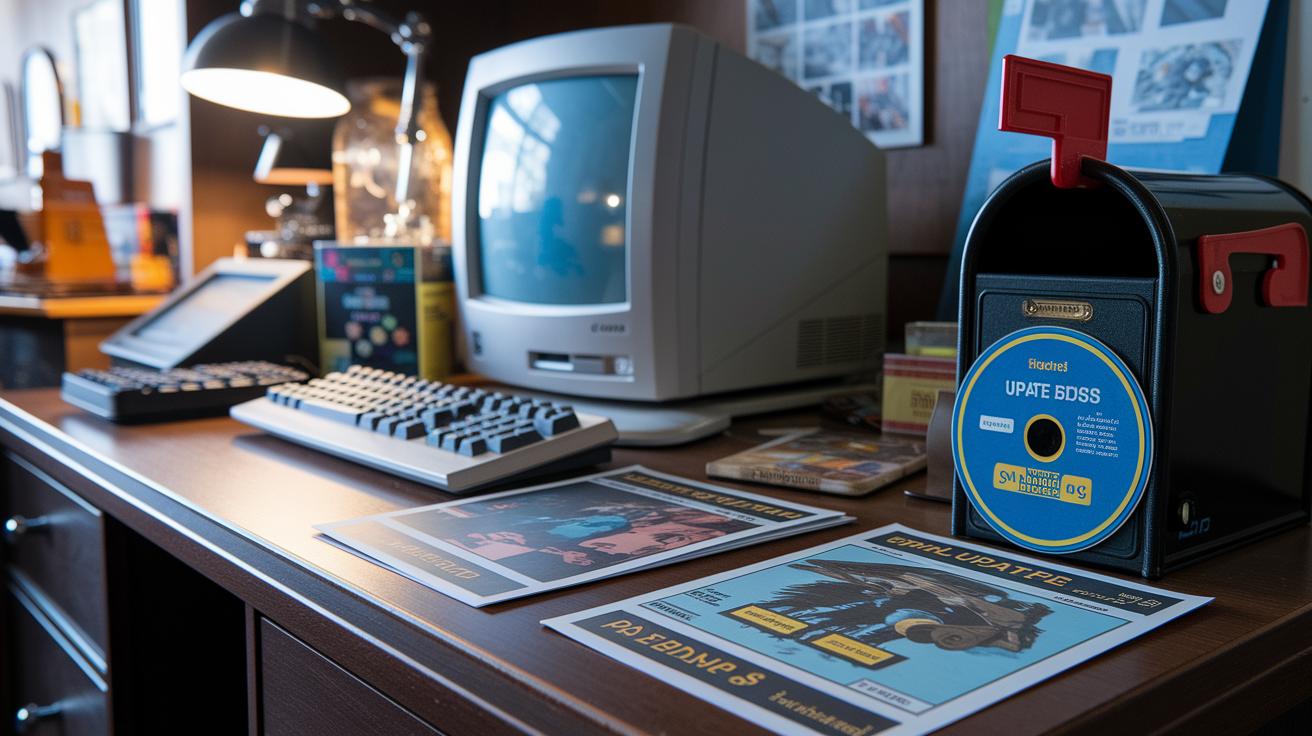
Back in the day, developers really struggled. They had to reprint game discs or send out printed update sheets, which meant waiting two or even three weeks sometimes. One studio even found that these printed fixes led to almost a 30% drop in player interest during update cycles. Imagine this: before digital downloads, patch fixes took up to 50% longer than they do today.
In those early days, printing mistakes or mailing delays were a common headache. Gamers had to wait patiently and sometimes missed out on early bug fixes and cool feature tweaks. This sparked many debates online as players shared their frustrations over slow, outdated update methods.
| Aspect | Manual Updates | Digital Updates |
|---|---|---|
| Distribution Time | Weeks | Minutes to hours |
| Cost | Steep (printing and mailing) | Lower (server-based delivery) |
| Fan Experience | Mixed feelings due to delays | High excitement with fast fixes |
Eventually, developers switched to digital downloads. This change slashed waiting times and costs, and it even transformed the update experience for players, making fixes faster and way more exciting.
Digital Delivery and the Evolution of Game Update Systems: FTP, Consoles, and Platforms
Digital patching kicked off when FTP servers powered PC updates. Gamers could just log in and grab fixes without the hassle of physical discs. This quick fix method meant bugs got squashed fast, and developers could fine-tune gameplay almost instantly. Picture getting a patch right away, much like when Call of Duty updates drop on consoles, it was a real game changer.
Soon enough, consoles jumped in with services like Xbox Live and PlayStation Network. Updating became as simple as clicking a button. Players didn’t have to wait around for a disc in the mail or read through printed notes anymore, they got real-time improvements and fresh features. Plus, developers could send out fixes during off-peak hours, which cut down downtime and kept everyone pumped.
Digital delivery also shifted how updates were built. Instead of one giant patch, smaller updates started rolling out more often. This move eased the load on servers and let developers tackle specific bugs quicker. Think of it like swapping out slow mail for a fast text message, simple, speedy, and on point. These upgrades in patching set the stage for even faster, more interactive live service models in the future.
Rise of Live Service Models in the Evolution of Game Update Systems

Live service models shook up the way games get updated. Remember No Man’s Sky? They went from a one-time launch to a game that keeps getting better. By 2019, they had released over 20 major patches, turning a rough debut into a real win. It wasn’t just about a big launch day anymore, it became a journey of continuous tweaks based on what players were saying.
Developers started using smart methods to drop fixes and new features instantly. Instead of waiting for weeks, changes happened right before your eyes. Imagine logging in and noticing a fresh update, it’s as thrilling as unlocking a hidden level with your buddies. The game feels alive, growing with every bit of feedback from the community.
A classic example is World of Warcraft, whose patch updates have kept the experience exciting since the early 2000s. Studios can quickly fix bugs and add cool content, keeping players hooked without the long wait for the next giant release. It’s like getting an unexpected treat during a game chat, small surprises that keep the excitement going.
| Key Change | What It Means |
|---|---|
| Continuous Distribution | Fresh fixes and features drop instantly, keeping the game upbeat. |
| Ongoing Enhancements | Updates come in small bursts instead of one big overhaul. |
| Community Influence | Players’ feedback directly shapes how the game evolves. |
These shifts have changed the way gamers experience titles. Now, updates are a steady stream of small surprises, making the gaming world feel more dynamic and connected than ever.
Technology Breakthroughs Shaping the Evolution of Game Update Systems
Cloud tech has seriously sped up game update rollouts. Thanks to smart cloud infrastructure, fixes sync up with servers in a flash. Developers now use CI/CD pipelines, which just means testing and deploying work happens automatically, so patches drop almost instantly. Imagine a bug fix arriving as fast as a text message, with no waiting around.
Delta patching ramps up this speed even more by sending only the game parts that have changed instead of the whole file. This not only cuts down download times but also saves bandwidth, like swapping out one broken part in your ride instead of rebuilding the entire engine.
Containerization changes the game by bundling software parts into their own secure zones that work perfectly together. The result? Updates that feel solid and gameplay that’s smoother than ever. These innovations ensure that game updates can keep up with our fast-paced gaming sessions.
Fun fact: In one case, an update hit devices faster than it takes to brew a cup of coffee – all thanks to delta patching.
| Innovation | Benefit |
|---|---|
| Cloud Infrastructure | Smooth, fast patch distribution |
| CI/CD Pipelines | Automated testing and rapid rollouts |
| Delta Patching | Efficient updates with reduced download sizes |
| Containerization | Stable, encapsulated software environments |
Future Directions in the Evolution of Game Update Systems
Game update systems are leveling up big time. Instead of boring old patches, we’re now looking at clever, ever-changing systems that keep our games feeling fresh and fun. Developers are trying out neat tricks, like using smart AI that spots and fixes problems before you even notice them. For example, did you know some games now self-update key parts so downtime is nearly gone? These next-gen upgrades work like mix-and-match modules, letting updates roll out without ruining your game time.
Imagine if updates came in small, well-tuned pieces instead of huge downloads. That means you could stream game assets just like you stream your favorite shows, with every change happening quickly and smoothly. New update methods let games switch gears on the fly, learning from how you play and what you say. With smart AI patches and flexible fixes, updates become super responsive and just right when you need them. No more long waits or sudden breaks. The future is all about game worlds that keep evolving, matching the excitement of the community and the fast pace of tech innovation.
Final Words
In the action, this blog explored how game update systems have changed over time, from manual patches to live service models. It touched on early disc fixes, digital delivery with titles like Call of Duty, and No Man’s Sky’s transformation with continuous updates. We also looked at tech breakthroughs that speed up updates and hinted at what tomorrow might bring. The article offers a clear snapshot of the evolution of game update systems. With fresh ideas on improving gameplay and community ties, there's plenty to be excited about ahead.
FAQ
Q: What is the evolution of game update systems in video games?
A: The evolution of game update systems in video games tracks the change from manual patches to continuous digital updates, highlighted by live-service models and community-driven fixes seen in titles like No Man’s Sky.
Q: What does the video game console timeline from 1967 to present look like?
A: The video game console timeline from 1967 to present maps a steady progression from early systems to modern hardware, showcasing key milestones and innovations that shaped the gaming experience over decades.
Q: What game systems came out in order?
A: The chronological release of game systems shows a sequence of consoles, with each generation building on previous hardware improvements to enhance gameplay and overall performance from early models to modern designs.
Q: Are 87% of games lost?
A: The idea that 87% of games are lost reflects concerns over poor preservation and outdated storage methods, meaning many early titles have faded away over time due to technological and archival challenges.
Q: What is the most updated game in history?
A: The most updated game in history refers to titles that receive continuous live updates, with examples like No Man’s Sky transforming their gameplay through regular and significant digital patches since launch.
Q: Did the Xbox or PS come first?
A: The question of Xbox versus PlayStation order shows that the PlayStation debuted earlier, with its initial release preceding the Xbox by several years, marking it as the first major console of that generation.