


Ever thought your favorite game might be hiding some cool secret plays? Games sneak in neat tricks right at their core, letting you rack up wins with every smart move. In this guide, we'll walk you through these hidden features step by step and help shift your vibe from just casual fun to savvy strategy. Ready to up your game skills? Stay tuned as we break down game controls, points, and levels to power up your play with some surprisingly fresh tactics.
Core mechanics for unlocking hidden strategic features in games

Game mechanics are like the secret playbook in your favorite game. They set the rules, show you how to move through virtual worlds, and make every action meaningful. When you get the hang of these systems, unlocking hidden features feels like discovering a secret level!
These mechanics aren’t just rules, they’re your stepping stones to mastering the game. Every button press and clever move builds toward a new challenge that makes your journey even more exciting. It’s like having a built-in guide that helps you go from a casual player to a real strategist.
-
Movement Controls: They let you stroll, sprint, and dodge around the game world. Your keystrokes become quick and smooth moves, like sneaking past a boss in a stealth mission.
-
XP Systems: These are the points you earn for cool moves, kind of like collecting coins. Each point shows your progress and encourages you to improve your game strategy bit by bit.
-
Level Thresholds: Think of these as checkpoints that need to be hit before you move on. You complete tasks, reach a goal, and then unlock new challenges that add fresh layers to the game.
-
Conditional Triggers: These special rules kick in when you pull off something awesome, like beating a tough enemy or clearing a hard level. They activate secret modes and features, making your gameplay even more fun.
Mastering these essentials means you’re not just playing; you’re exploring every trick and secret the game has to offer. So keep experimenting, have fun, and enjoy each new unlock along the way!
Progression systems that unlock hidden strategic features in games

Progression systems are like the secret recipe that adds unexpected cool features as you play. Each level you beat, every milestone you hit, unfolds awesome surprises that reward your effort and skill. It’s like every session is a fresh adventure waiting to be discovered.
-
Level-based Unlocks:
When you level up, hidden features pop open like secret doors. Every new level shows off your skills by bringing in bonus content, secret modes, or hidden arenas. It builds up the excitement and nudges you to explore the game’s deeper corners. -
Point and Milestone Thresholds:
As you rack up points and hit milestones, the game automatically offers you new options. This steady build-up is like a series of mini wins that keep your energy high and your strategy on point. -
Tiered Skill-Tree Systems:
Skill trees let you spend your points on cool upgrades one step at a time. Each branch of the tree opens up new abilities, making you think and plan your moves carefully. It’s all about tailoring your gameplay to fit your style and keep the challenge fresh.
Together, these progression methods create a game world where every decision feels important. By mixing level-ups, points, and smart skill choices, you’re always pushed to refine your strategy and take on new challenges. It’s a fun, dynamic way to keep each play session exciting and rewarding.
Conditional triggers and resource management for unlocking hidden strategic features

Conditional triggers are like secret checkpoints that pop up when you hit certain goals in a game. They show up after you conquer tough challenges, beat a big boss, or pick up special items scattered around the map. It’s kind of like the game giving you a wink, saying, "Nice work!" They make every win feel extra cool and keep you guessing what might come next.
These triggers don’t announce themselves loud and clear. Instead, they quietly reward your skillful play with bonus moves, new abilities, or even access to hidden areas. It’s like discovering a hidden level by accident, each moment feels earned, and that surprise can make the whole game feel new again.
Then there’s the resource-based unlocking system. Here, you use in-game coins or tokens to open up secret features like extra characters or cool abilities. It adds a little bit of financial thinking to your gaming world, where every coin spent is a mini decision between a quick win or saving up for something really special.
This system forces you to think about your resources and plan smartly. It turns everyday play into a strategic challenge where balancing risk and reward feels just like planning your next in-game move. In the end, both triggers and resource management work together to keep the game fresh, engaging, and full of surprises.
Case study: unlocking hidden strategic features in Pirots 4 and Spacecorn

Pirots 4 lets you discover hidden game goodies by using a mix of tiered progress and its cool X-iter system. Basically, the game rewards smart play and even offers paid options from €3 to €500 to unlock extra bonus modes and prizes. It’s like a challenge where you decide how much effort or cash you want to invest to enjoy special content.
Spacecorn, on the other hand, has a neat twist. You collect different symbols as you play, which can trigger surprise events like "Lost in Space." It turns regular gameplay into a fun scavenger hunt, giving you secret challenges and fresh rewards along the way. Ever picked up a hidden bonus and felt that rush? That’s the vibe here.
Pirots 4 Unlock Mechanics
In Pirots 4, unlocking new features works through a tiered system paired with the X-iter option. As you move ahead by leveling up and gathering points, bonus features slowly get revealed. And if you’re in a hurry, you can pay anywhere from €3 to €500 to jump right in, kind of like using a power-up to speed things up. It’s a smart system that makes you think about strategy and rewards the effort you put in.
Spacecorn Symbol Collection
Spacecorn’s unlocking method is all about gathering symbols. As you explore and collect these icons, the game surprises you with secret events, such as the fun "Lost in Space" round. Think of it like a treasure hunt where each symbol you collect has a role in unlocking bonus rounds. This turns everyday play into a quest for secret rewards and keeps things exciting.
Spatial Mechanics as Unlock Paths
Both games break the mold with their spatial mechanics. In Pirots 4 and Spacecorn, grid expansion and portal activations open up new areas to explore. For instance, a corner bomb can sometimes expand the game board up to an 8×8 grid, and spatial portals can whisk you off to hidden zones. These elements add some serious strategy and invite you to experiment with placement and timing to uncover neat in-game treasures.
| Game | Unlock Mechanism | Cost Range | Reward Type |
|---|---|---|---|
| Pirots 4 | Tiered progression & X-iter system | €3–€500 | Bonus modes and features |
| Spacecorn | Symbol collection | N/A | Exclusive events |
Best practices for designing hidden strategic feature unlocks in games
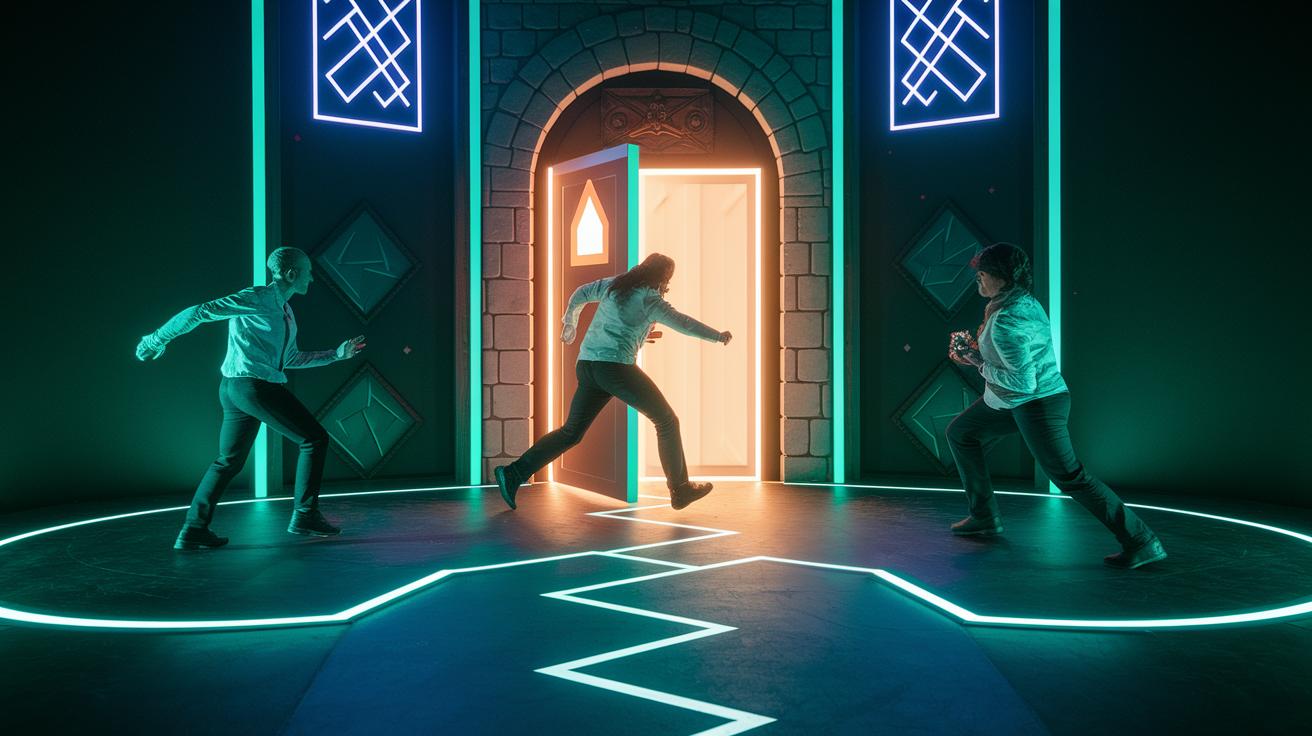
Designing cool unlock systems in games means keeping things balanced, clear, and fun. You want every challenge to match a sweet reward, and every step should feel fair and exciting. When you create different paths to unlock new features, players can explore and build their own style. Clear visual signals help everyone see where they are and what to do next. In simple terms, a good unlock system guides players smoothly through the game, just like following an easy trail map.
A big trap in unlock design is making triggers too fuzzy, leaving players guessing what to do. If the rules are too hidden or the tasks are too tangled, it can get really frustrating. Some systems even lean too hard on paywalls, making you feel squeezed instead of rewarded. The best fix is to tie each unlock to a clear, in-game achievement. Simply put, smart designers always keep things straightforward and easy to follow.
Breaking things into smaller pieces and testing them often is a must for any flexible unlock system. Think of it like tuning your favorite game settings to match your play style. When you split complex parts into simple modules, you can adjust each without messing up the overall balance. Regular tests catch sneak-up issues early so every unlock feels just right. By listening to real player feedback, developers can tweak visual hints and rewards, making the game even more engaging over time. This steady tweaking keeps the gameplay fun and fair, no matter how your style evolves.
Psychological insights for engaging with hidden strategic features

Anticipation and reward loops work like power-ups in your favorite game. They crank up the excitement and make you want to keep playing. Each hidden feature is like a mini victory that sends a quick rush of dopamine, almost like snagging a secret bonus level. When you finally unlock that rare mode or bonus, it feels like beating a tough boss, you suddenly feel more confident and ready for the next challenge. This tug-of-war between tension and reward makes every win feel truly earned and each surprise a cool reminder to keep digging deeper into the game.
Sometimes, though, things can go off track when unlock systems depend too much on paywalls or mixed-up visual cues. If you keep getting hit with extra charges or unclear hints, it can drag down the fun and make you feel stuck. Clever developers tackle this by designing clear challenges with more than one way to unlock features. They make sure the balance between rewards and challenges is just right, so it doesn’t feel like you’re being pushed to spend more. With gradual difficulty levels and simple in-game hints, the experience stays fair and engaging. Plus, regular feedback and tweaks keep the game satisfying session after session.
Emerging trends in unlocking hidden strategic features in games

Adaptive unlock systems now use smart analytics to shape hidden game elements. They watch your moves, choices, and progress to tailor secret paths on the fly. Just think about a system that notes every action you take and then tweaks secret content to suit your play style. This cool tech lets games evolve with you, sprinkling in surprises that boost both excitement and motivation. It’s like having your own game world that feels smart and crafted just for you.
Augmented reality and mixed-reality are shaking up the way secret game features pop up in real life. This new tech mixes digital content with the world around you. Imagine pointing your device at your favorite local hangout and unlocking a hidden level right then and there. The easy blend of virtual and physical sparks creativity and keeps you hooked, turning each session into an exploration bursting with delightful surprises.
Personalization is changing the game by revealing hidden features in a way that fits each player perfectly. By using data from your play style, it offers challenges and rewards that match your vibe. Picture a game that tweaks its secrets based on your habits, paving unique paths that feel just right for you. The result is a fresh system that ramps up replay value and makes every unlock feel like a hard-won achievement, perfectly tailored and truly satisfying.
Final Words
In the action, we've explored core mechanics, tight progression systems, and conditional triggers that reveal secret features. We broke down case studies, design tips, and mental insights to show how smart tweaks elevate your gaming sessions.
This post is a lot like a comprehensive guide to unlocking hidden strategic features in games. It leaves you all set to master new tactics, sharpen skills, and enjoy every play. Keep pushing forward and have fun leveling up!
FAQ
Comprehensive guide to unlocking hidden strategic features in games free
<div itemprop="mainEntity" itemscope itemtype="https://schema.org/Question">
  <h3 itemprop="name">How to unlock bow hidden aspect</h3>
  <div itemprop="acceptedAnswer" itemscope itemtype="https://schema.org/Answer">
    <div itemprop="text">
      The guide for unlocking the bow hidden aspect shows that players must complete certain in-game triggers and objectives. This unlocks additional capabilities, offering enhanced combat options during battles.
    </div>
  </div>
</div>

<div itemprop="mainEntity" itemscope itemtype="https://schema.org/Question">
  <h3 itemprop="name">Hidden aspects not unlocking Hades 2</h3>
  <div itemprop="acceptedAnswer" itemscope itemtype="https://schema.org/Answer">
    <div itemprop="text">
      The Hades 2 hidden aspects issue means players might not meet the necessary in-game milestones. Reviewing progress or verifying trigger conditions can help access these extra abilities effectively.
    </div>
  </div>
</div>

<div itemprop="mainEntity" itemscope itemtype="https://schema.org/Question">
  <h3 itemprop="name">Secret Aspect bow Hades</h3>
  <div itemprop="acceptedAnswer" itemscope itemtype="https://schema.org/Answer">
    <div itemprop="text">
      The secret aspect for the bow in Hades is activated when players overcome specific hidden challenges. These challenges, once completed, reveal the bow’s enhanced abilities to improve gameplay.
    </div>
  </div>
</div>

<div itemprop="mainEntity" itemscope itemtype="https://schema.org/Question">
  <h3 itemprop="name">Hidden sword aspect Hades</h3>
  <div itemprop="acceptedAnswer" itemscope itemtype="https://schema.org/Answer">
    <div itemprop="text">
      The hidden sword aspect in Hades requires meeting certain game achievements. By fulfilling these conditions, players can unlock improved combat skills and a powerful new feature for the sword.
    </div>
  </div>
</div>

<div itemprop="mainEntity" itemscope itemtype="https://schema.org/Question">
  <h3 itemprop="name">Reach the surface with the hidden Aspect of varatha</h3>
  <div itemprop="acceptedAnswer" itemscope itemtype="https://schema.org/Answer">
    <div itemprop="text">
      The hidden aspect of Varatha allows players to reach the surface by meeting a blend of game tasks and milestones. This unlock bridges combat and exploration elements, enhancing overall game dynamics.
    </div>
  </div>
</div>

<div itemprop="mainEntity" itemscope itemtype="https://schema.org/Question">
  <h3 itemprop="name">Coronacht final aspect</h3>
  <div itemprop="acceptedAnswer" itemscope itemtype="https://schema.org/Answer">
    <div itemprop="text">
      The Coronacht final aspect is unlocked after achieving specific in-game milestones. This ultimate hidden feature transforms gameplay by offering powerful enhancements once all challenges are met.
    </div>
  </div>
</div>

<div itemprop="mainEntity" itemscope itemtype="https://schema.org/Question">
  <h3 itemprop="name">Hades 2 how to unlock new weapon</h3>
  <div itemprop="acceptedAnswer" itemscope itemtype="https://schema.org/Answer">
    <div itemprop="text">
      The process to unlock a new weapon in Hades 2 revolves around completing various in-game tasks and progression milestones. This method ensures players earn unique weapons that fit their play style.
    </div>
  </div>
</div>

<div itemprop="mainEntity" itemscope itemtype="https://schema.org/Question">
  <h3 itemprop="name">What is the 40 second rule in gaming?</h3>
  <div itemprop="acceptedAnswer" itemscope itemtype="https://schema.org/Answer">
    <div itemprop="text">
      The 40 second rule in gaming refers to a brief waiting period after certain actions, which resets game mechanics. It helps create balance and rewards precise timing in gameplay.
    </div>
  </div>
</div>

<div itemprop="mainEntity" itemscope itemtype="https://schema.org/Question">
  <h3 itemprop="name">What are the 10 strategies in playing the invasion game?</h3>
  <div itemprop="acceptedAnswer" itemscope itemtype="https://schema.org/Answer">
    <div itemprop="text">
      The 10 strategies for playing the invasion game outline various tactics such as resource handling, positioning, timed abilities, and teamwork. These methods aim to optimize gameplay and secure victory.
    </div>
  </div>
</div>

<div itemprop="mainEntity" itemscope itemtype="https://schema.org/Question">
  <h3 itemprop="name">How do you play the hidden objects game?</h3>
  <div itemprop="acceptedAnswer" itemscope itemtype="https://schema.org/Answer">
    <div itemprop="text">
      The hidden objects game is played by carefully scanning scenes to locate concealed items. This requires keen observation, quick thinking, and effective use of in-game clues to win rewards.
    </div>
  </div>
</div>

<div itemprop="mainEntity" itemscope itemtype="https://schema.org/Question">
  <h3 itemprop="name">What is the best game to improve strategic thinking?</h3>
  <div itemprop="acceptedAnswer" itemscope itemtype="https://schema.org/Answer">
    <div itemprop="text">
      The best game to improve strategic thinking challenges players with puzzles and decision-heavy scenarios. It forces the use of logic, planning, and analysis, which can strengthen overall mental agility.
    </div>
  </div>
</div>