
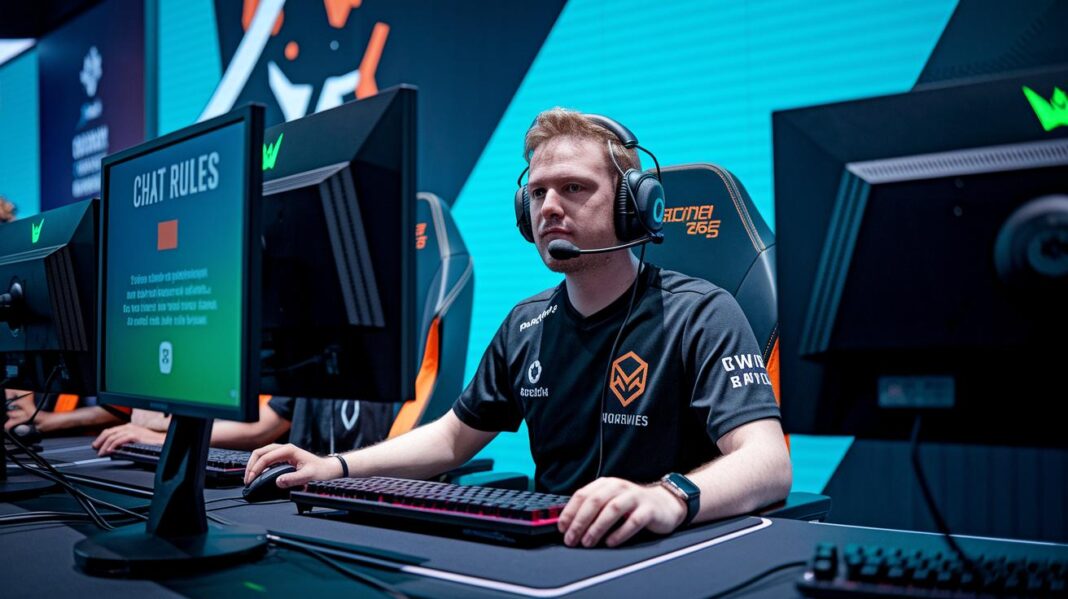

Ever thought clear rules could turn a gamer hub into a safe and cool hangout? Imagine a crew that not only blocks spam but also creates a welcoming vibe where everyone feels at home. Smart settings work like that clutch move in a tight match, they stop chaos fast.
We’re diving into how mixing smart filters with careful mod watching keeps chat friendly and clear, ready for epic gameplay moments. Let’s check out the winning tactics that make every gaming spot a better place to chill.
Community Moderation Strategies in Gamer Hubs: Winning Tactics
Solid rules make every gamer hub a safe, fun place to hang out. When players know what's expected, like avoiding mean words or sticking to in-game manners, confusion drops and the toxic chatter fades away. For example, kicking things off with a simple rule such as, "No harassment allowed. Just like in your favorite co-op, respect always wins," sets the vibe right.
Using a layered approach is like building up your defense in a tough match. Fast auto filters catch spam, slang, or common insults quickly, but they sometimes miss the friendly banter or new gamer lingo. That's when our sharp-eyed human mods step in to check the context. Imagine this: an auto filter flags something, and then a Pro-Mod reviews it, deciding if it's just a harmless joke or something that needs a timeout.
Quick responses to flagged content are key to preventing small issues from turning into big problems. It's a bit like pulling off a clutch move in a fast-paced match, every moment counts. A smart plan looks like this:
- Rules posted right at sign-up
- Automated checks for instant enforcement
- Expert moderators who get the community vibe
- Fast actions to stop problems before they grow
| Role | Responsibility |
|---|---|
| Auto-Mod | Sniffs out clear rule breaks |
| Pro-Mod | Checks context and makes calls |
All in all, these winning tactics mix smart automation with a human touch to keep gamer hubs buzzing with good vibes and epic gameplay moments.
Establishing Transparent Community Guidelines in Gamer Hubs

Rules that make sense keep our gaming space fun and fair. Start by writing down clear guidelines so there’s no second-guessing. Think of it like this: "No harassment allowed – just like in your favorite multiplayer match, respect always matters." It’s all about keeping things straightforward.
Kick things off by listing what behavior isn’t cool. This includes personal attacks, spam, or mixing up a bad game performance with actions that could lead to a ban. It’s like reading the cheat sheet before a big raid, everyone should know what’s on and off limits.
Make sure your rules are hard to miss. Post them where players sign up, in forums, or any community boards. Use easy headings and step-by-step examples to show what counts as a violation. Want to dive deeper? Check out the "guide to online gaming communities" here: https://funcomputers.com?p=177.
Keep the rules fresh by updating them regularly. As chat slang and player habits evolve, a quick refresh helps everyone stay on track. Regular revisions mean every gamer knows exactly what’s expected before jumping into the game.
Integrating Automated Filtering and Human Oversight in Gamer Hubs
Auto-moderation tools need careful tuning to catch gamers' slang and playful banter without messing things up. Developers train these systems using examples of gamer talk, emojis, and quirks like "GG, ez!" that might pop up during a heated match yet mean nothing more than friendly ribbing.
Skilled human moderators then swoop in to fix any misfires. One time, a chat message saying "You just got wrecked, lol" was flagged as toxic, but a mod knew it was just light teasing between friends and cleared it. Note: "Moderator note: the user was just joking with a mate, not being mean." This mix of speedy checks and personal review builds trust and keeps chats running smoothly.
Engineers also focus on balancing speed and accuracy when traffic jams occur. They hook auto-mod tools up with back-end systems that cut down on lag by using methods like batch processing and parallel checks when things get busy. For instance, a system alert might say, "Running parallel checks to cut wait times during peak load."
New trends show AI moderation getting smarter over time. Feedback from users helps these models fine-tune their filters so they’re less likely to flag funny or ironic comments while still acting fast.
| Challenge | Solution |
|---|---|
| Understanding gamer lingo | Custom training with slang and context examples |
| Busy chat moments | Parallel checks to keep things fast |
| Keeping fast yet accurate | Blending auto tools with human review |
Conflict Resolution and Escalation Protocols for Gamer Hubs
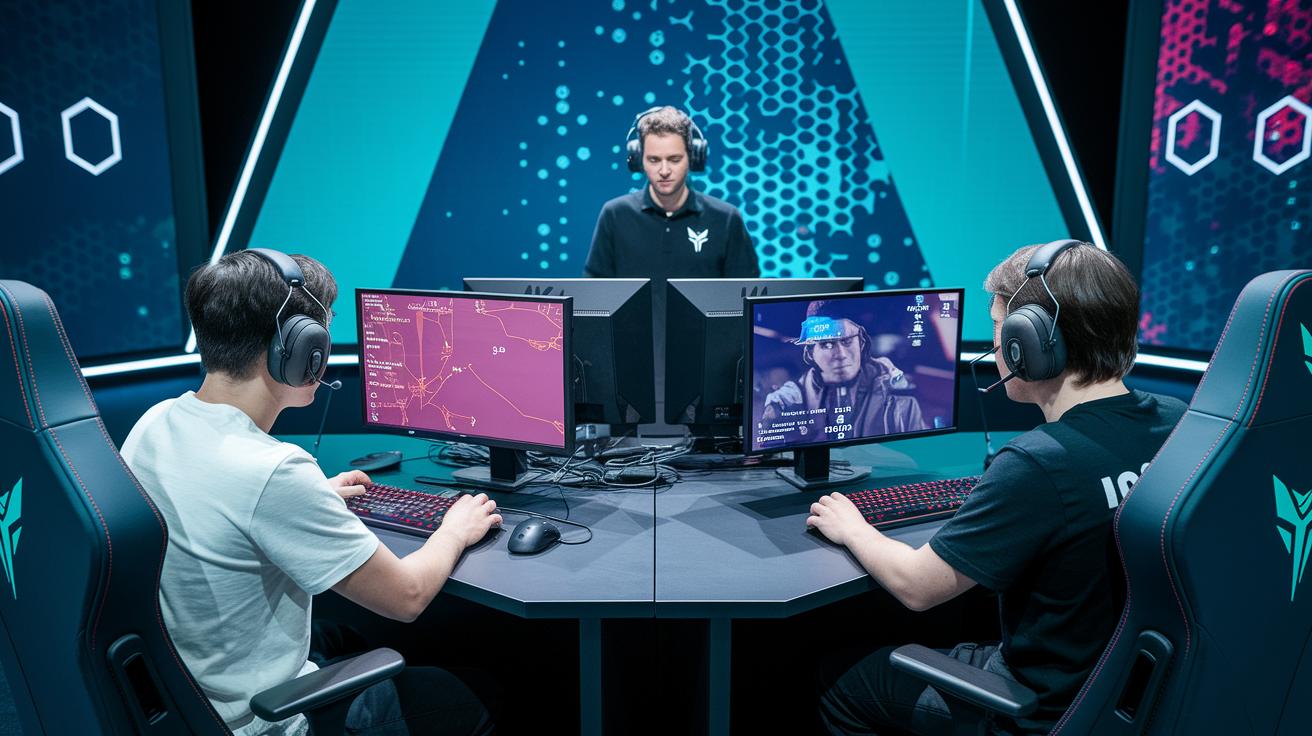
Setting up clear steps for dealing with disputes keeps our gamer hubs fun and fair. When chats are buzzing and in-game moments heat up, having an easy way to report rule breaks lets players quickly alert moderators. It’s like having your strategy ready before starting a match.
When things get heated, players can use simple in-hub forms to report what’s going on. The form might say something like, "User X is using harsh language," which immediately kicks off a review. Plus, trusted community members help spot issues early, just like teammates watching each other’s backs in a crucial round.
Moderator teams know exactly when to step in harder. Small problems get sorted by entry-level mods, while bigger issues, like threats or sharing private info, are bumped up to senior moderators or a review board. This way, nothing important goes unnoticed.
- Players report issues through clear in-hub forms
- Trusted community members help spot trouble early
- Entry-level mods handle minor problems
- Big issues like threats or privacy breaches go to senior staff
Quick and friendly conflict resolution makes everyone feel safe and respected, setting the stage for a smooth and fair gaming session every time.
Training, Empowerment, and Education of Moderators in Gamer Hubs
Moderators are like your trusted guild leaders in gaming hubs. They know the in-jokes, the slang, and the unwritten rules that make a community tick. Picking mods who truly get the game feels like choosing the right character for your team, they know when a joke is just friendly banter or when it seriously crosses the line.
Regular training is a bit like practicing your ultimate move. Workshops give moderators a chance to learn how to spot trouble before it escalates, kind of like recognizing when an enemy is about to ambush you. It’s hands-on learning that gears them up with smart tactics to keep the chat as balanced as a well-coordinated raid.
Many veteran gamers naturally step up as volunteer mods because they’ve been around the block. Their real-life game experience builds a solid, peer-to-peer system where trust flows naturally, like relying on a friend to save your game when things get tough.
In short, regular refresher courses on conflict control and new policies keep these moderators sharp. They turn potential chaos into quick wins, making the whole hub feel like a safe, exciting place to play.
Leveraging Participant Feedback and Adaptive Policy Revisions in Gamer Hubs

Feedback loops are like hidden power-ups in your favorite gamer hangouts. Mods run regular surveys and chat in forums, kind of like swapping boss fight tips, to hear what players really think. Picture a quick survey asking, "What in-game chat lingo trips you up?" The answers help shape rule tweaks before problems hit.
When fresh slang or a misunderstanding starts to stir, mods are ready to jump in with quick fixes. For example, if a friendly tease might be taken the wrong way, they update the rules fast, just like patching a glitch in your game.
Regular updates, say every few months, keep everything in check. In a brief team huddle, someone might say, "Last month, we got mixed feedback on sarcastic banter." Then, the team refines the policies and makes sure everyone knows what’s new.
By really listening to feedback and checking the rules often, gamer hubs stay agile and fair, making sure every player's voice helps build a better, more welcoming space.
Utilizing Analytics and Tools for Proactive Oversight in Gamer Hubs
Modern tools and data analysis work like a trusty radar for spotting troubles in gamer hubs. They scan through loads of chat logs using smart AI, a bit like having a digital watchdog that shouts, "Hey, something's off!" For example, if chat suddenly fills with harsh language, it flags a trend that needs quick attention.
Real-time alerts ping moderators right away so they can jump in and fix problems as they happen. It’s kind of like using a quick save during a tricky boss fight; a fast response stops issues from snowballing. Moderators might get a notification saying, "Rule breach at 3:45 PM; check it out now."
Self-service tools also play a big part. Imagine a command center where common player questions get answered in seconds. When loads of similar questions pop up, these tools handle the basics, letting moderators focus on the tougher issues. For instance, you might see a prompt like, "Need help? Check our FAQ while we connect you with a mod."
All this smart analytics gives us solid data on player behavior and chat trends, helping us fine-tune our moderation over time. In short, mixing automated detection with real-time responses keeps the hub safe and welcoming for every player.
Case Studies of Effective Community Moderation in Gamer Hubs

At the Extra Life event on November 14 at 12PM PST, they mixed auto-mod tools with real-life moderators. The auto-mod instantly caught obvious problems, while veteran mods looked into trending slang like "ggez" to figure out if it was just friendly trash-talk or something more serious. One moderator even said, "When our system flagged 'ggez', we knew it might be harmless banter or hint at a bigger issue." This mix kept the chat fun yet under control, letting everyone enjoy a smooth event experience.
On March 10, 2025, they updated the rules based on what players had to say. Thanks to clearer guidelines, gamers found it easier to tell the difference between light teasing and real offenses. This update made the community feel safer and more connected.
- The event used both auto and human moderation.
- Mods quickly adapted to slang changes, like seeing "gg ez" shift to "ggez."
- New policy tweaks helped everyone better understand the community rules.
These examples show that blending smart tech with experienced human insight creates a strong community moderation strategy in gamer hubs.
Final Words
In the action, this post broke down the key steps to keep gamer hubs safe and fun. It covered setting clear rules, pairing auto filters with real eyes, and handling disputes smartly. Short tips on training mods, collecting player feedback, and using live data wrapped everything together. Each section showed how a solid setup can boost gameplay and community spirit. Keep feeling pumped as you use these community moderation strategies in gamer hubs to make every session even better!
FAQ
What is content moderation in gaming?
Content moderation in gaming means managing player interactions by using both automated filters and live moderators to reduce toxicity and unwanted behavior, keeping the play space safe and fun.
How to moderate an online community?
Moderating an online community involves setting clear rules, combining auto-filters with human oversight, and guiding players through any conflicts to ensure a supportive and friendly environment.
What is community support in video games?
Community support in video games means offering help and guidance through peer advice and moderator feedback, ensuring players find answers and feel part of a helpful network.
What is community-driven moderation?
Community-driven moderation means players get involved in upholding rules by flagging issues and sharing feedback, which aids moderators in keeping the game space fair and engaging.