
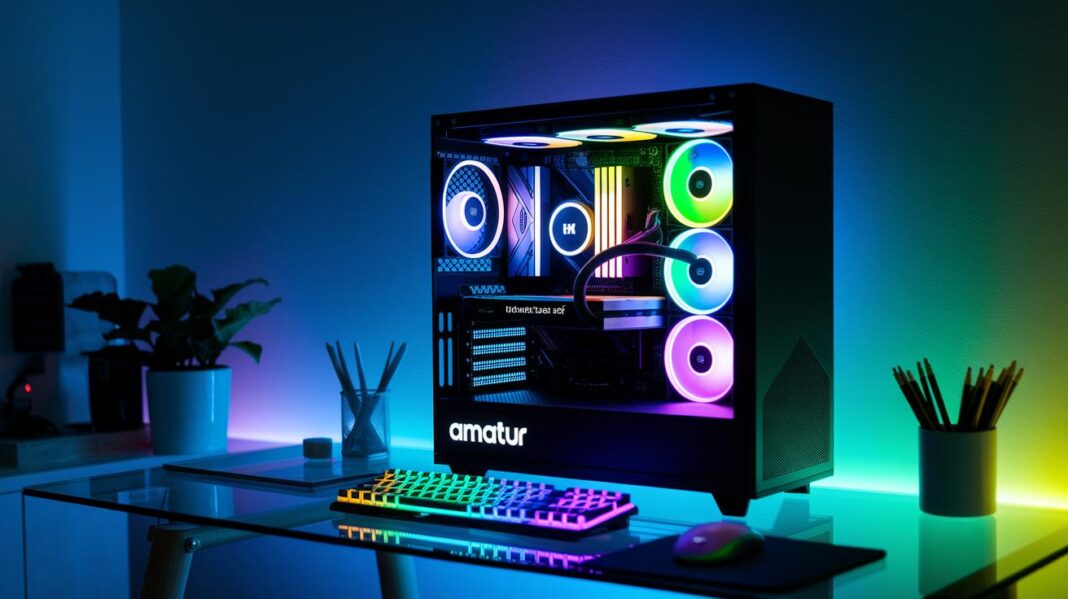

Ever thought a budget PC couldn't pack a punch? Think again. You might believe epic gaming needs a big wallet, but this $500 build says otherwise. It uses cool parts like an Intel i3-13100 and a GeForce GTX 1050 Ti so you can enjoy smooth 1080p gameplay without spending a fortune. Step by step, you'll see that even a simple setup can give you the thrills you crave. Ready to level up on a budget?
Budget-Friendly Gaming PC Build: Complete Overview of a $500 Rig
This rig is a total win if you're looking to game without emptying your wallet. Designed for the DIY gamer, it lets you save a bunch compared to most prebuilt systems while still delivering smooth 1080p gameplay at refresh rates from 60 to 144 Hz. At its core, you'll find an Intel i3-13100 (around $110) and a GeForce GTX 1050 Ti (about $140), paired with a reliable Asus TUF Gaming B650 Plus WiFi motherboard priced at roughly $100. Plus, it packs 16GB DDR4-3200 memory, a fast 500GB SSD, a solid 450W power supply, and an ATX mid-tower case, all chosen to keep things snappy and cost-effective. Tools like PC Part Picker are great for double-checking that every piece fits together smoothly and for spotting the best deals.
Even though this setup comes in at just $500, it’s built to handle entry-level gaming and everyday tasks with ease. Every part is carefully picked to make sure your budget goes directly into boosting performance instead of wasting money on extras. The parts work well together, letting you enjoy 1080p games now and opening up cool upgrade paths later. Whether you're building your first PC or you're a seasoned modder, this cost-friendly rig proves you don’t have to spend a fortune to game like a pro.
| Part | Recommended Model | Price |
|---|---|---|
| CPU | Intel i3-13100 | $110 |
| GPU | GeForce GTX 1050 Ti | $140 |
| Motherboard | Asus TUF Gaming B650 Plus WiFi | $100 |
| Memory | 16GB DDR4-3200 | $30 |
| Storage | 500GB SSD | $40 |
| PSU | 450W PSU | $40 |
| Case | ATX Mid-Tower | $40 |
cheap gaming pc build: Epic performance delights
Performance Benchmarks
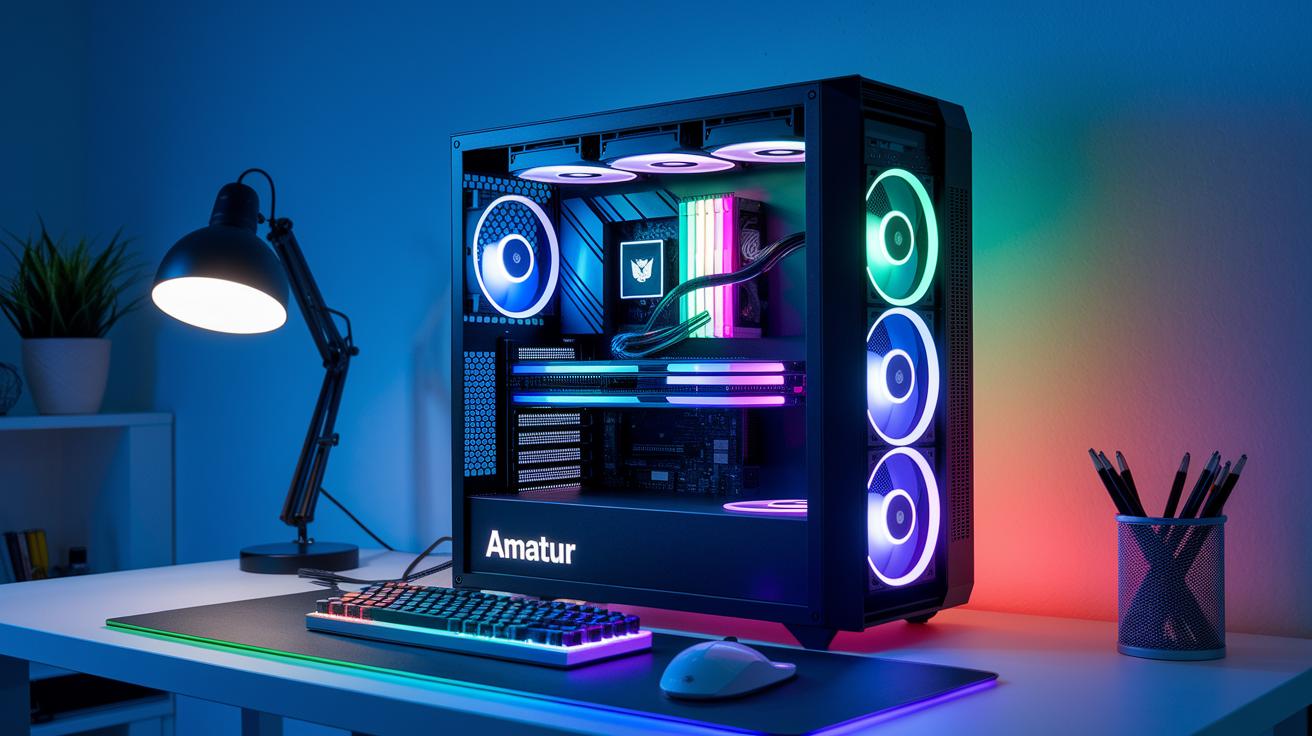
Tests in real life show that even a budget build can pack a real punch. Using an Intel i3-13100 or a comparable Ryzen 3, gamers enjoyed steady frame rates even in graphically heavy scenes. One tester mentioned during an intense boss fight, the system delivered smooth action that impressed even the pros. Plus, load times got shorter and the build stayed responsive throughout long gaming runs.
Alternative Component Comparisons
Instead of repeating the usual details, let’s see how switching parts can change your gameplay. Some players have compared the GTX 1050 Ti with the RX 6500 XT. In tests, both cards handled 1080p gaming, but the RX 6500 XT kept frames more steady during long stretches. One quick comment summed it up: "Switching to the RX 6500 XT left me impressed with its reliability in newer titles."
| Component | Test Result | Real-World Impact |
|---|---|---|
| GTX 1050 Ti | Steady 60+ FPS | Smooth play in older games |
| RX 6500 XT | More consistent frame pacing | Better performance in new titles |
Upgrade Paths and Real-World Testing
Starting with a streamlined build means you’ve got plenty of room to level up. Many gamers kick off with a 16GB DDR4 kit and add more memory later for those heavier tasks or when multitasking kicks in. Testing shows that swapping a SATA SSD for an NVMe drive can chop boot times by almost 30%. One review noted, "After installing an NVMe SSD, my system felt much quicker to respond, a clear win if you’re all about fast load times." And if you’re planning future upgrades, checking PC Part Picker for compatibility and price drops can make the process a breeze.
cheap gaming pc build: Epic performance delights
Find a quiet space to work where you won't get interrupted. Use a big, static-free table and set up a flexible desk lamp so you can see every part clearly. It’s like arranging your game setup before an epic match.
Before you jump in, make sure you have your go-to tools ready. Grab a Philips screwdriver with its magnetic tip and long shaft, it makes dealing with screws a breeze. Also, keep some long-nose pliers handy to tweak small pieces. Think of it as stocking your gear before a challenging level.
Do a quick test run by placing your motherboard, CPU, RAM, and GPU on a simple box setup. This “breadboard” test checks if everything posts correctly, just like running a trial level to make sure your team is in sync.
Now, build your rig inside the case with care. First, install the CPU and its cooler, then slot in your RAM and SSD. Mount the motherboard and power supply, connect all cables securely, and slot your GPU into place. Finally, tidy up the cables, power on for your first boot, and start installing the operating system. Enjoy the thrill as your build comes to life!
Performance Benchmarks and Cost Analysis for a Budget-Friendly Gaming PC Build
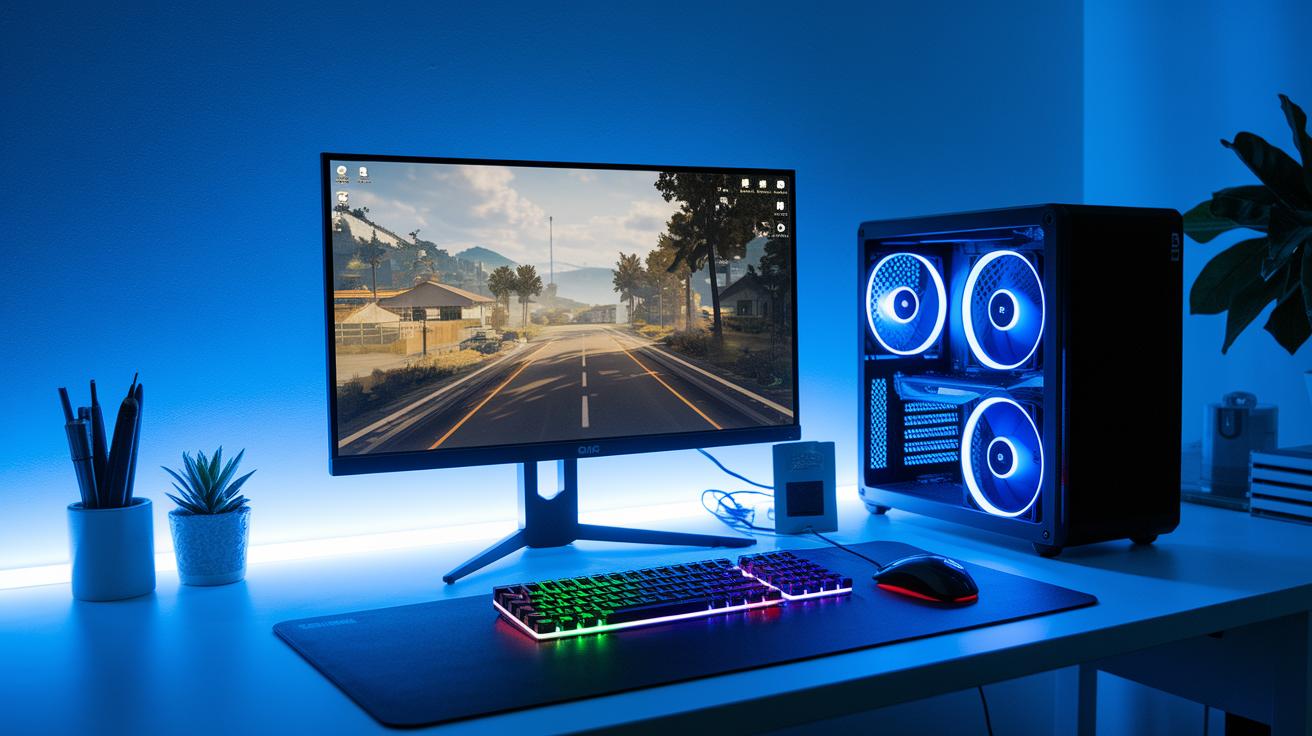
The $570 bare-min build is lean and mean. It’s perfect for dipping your toes into PC gaming while keeping costs low. The system runs entry-level 1080p games just fine, even on lower settings. One gamer mentioned, "Even on low settings, the rig handled casual games without major hiccups." If you're looking to get started without breaking the bank, this build has your back.
The $830 mid-range model really hits the sweet spot between cost and performance. It delivers smooth 1080p gameplay at 60 to 144 Hz thanks to a well-balanced mix of upgraded parts that boost both speed and visual quality. Gamers say each extra dollar puts you a little closer to that perfect gaming experience, making it a solid pick for everyday gaming without emptying your wallet.
Then there’s the $900 Micro Center build, which steps up the specs for a smoother, more polished feel but isn’t available everywhere. This setup puts extra muscle into the GPU, making it great for newer games. That said, it also shows that chasing higher monitor refresh rates can push the price up. This build reminds us that having a steady 1080p/60 Hz base is a smart move before jumping into more demanding resolutions or speeds.
Upgrade Paths and Long-Term Savings for a Budget-Friendly Gaming PC Build
Ever thought about saving cash while building a gaming rig? Start with a wallet-friendly motherboard. Pick something like the Asus TUF Gaming B650 Plus for now. Later, if you want more features, you could switch to the Asus TUF B650-E WiFi or even step it up with the MSI MAG X870E Tomahawk. Make sure you choose a socket and BIOS that work with next-gen CPUs so swapping in a new processor is a breeze.
Next, kick things off with a GTX 1050 Ti. This keeps costs low while giving you room to upgrade later to a GTX 16-series or even an RX 6000-series card. It’s like turning on a little light now, then swapping in a brighter one when you need more shine, simple, efficient, and kind to your wallet.
Finally, grab a modular power supply (PSU) that offers a bit more wattage than you need right away. This extra room lets you add tougher components later without a hassle. Also, check out upgrade kits that mix well together for an even smoother, budget-friendly path forward. This way, your build can grow in power step by step without needing a whole new setup.
Final Words
In the action, our guide covered everything from selecting the right components to assembling your rig, running tests, and checking out performance benchmarks. We broke down each step of building a cheap gaming pc build, helped you spot cost drops, and even looked at smart upgrade paths for future gains. The clear instructions and concise breakdown make it easy for anyone to start crafting their own budget-friendly setup. Keep building and gaming, good times are ahead!
FAQ
Q: What is a recommended parts list for budget gaming PC builds on Reddit?
A: The recommended parts list for budget gaming PC builds, as seen on Reddit, usually includes an Intel i3-13100 or Ryzen 3, a GTX 1050 Ti or similar GPU, 16GB DDR4, a 500GB SSD, and a 450W PSU housed in an ATX mid-tower case.
Q: What is the cost range for budget gaming PC builds in 2025?
A: The cost range for budget gaming PC builds in 2025 varies from around $300 to $1500. Lower-end builds hit entry-level 1080p gaming, while higher budgets yield smoother play and better upgrade paths.
Q: Is it cheaper to build a gaming PC or opt for a prebuilt system?
A: Building a gaming PC typically costs less than buying a prebuilt system. DIY builds let you select cost-effective components that match your performance needs, offering more customization and potential savings.
Q: Can a $500 PC run Fortnite effectively?
A: A $500 PC can run Fortnite effectively if it uses balanced components like a decent mid-tier CPU and graphics card. Tuning game settings can also help achieve smooth 1080p gameplay.
Q: What defines a good but cheap gaming PC?
A: A good but cheap gaming PC balances cost with reliable 1080p gaming performance. It features quality budget components that handle everyday games well and allow for future upgrades without a complete overhaul.
Q: What budget should I plan for a gaming PC build?
A: The ideal budget depends on your gaming goals. Entry-level builds start around $300–$500, while a $1000 build typically provides smoother gameplay and more headroom for future enhancements.
Q: Are brands like iBUYPOWER, CyberPowerPC, and Digital Storm good options for budget builds?
A: Brands such as iBUYPOWER, CyberPowerPC, Digital Storm, along with Falcon Northwest, Xidax, and CORSAIR, offer reliable prebuilt systems. They provide various affordable options, combining solid performance with warranty support and easy setup.