


Ever wonder why your go-to gaming hub sometimes feels more annoying than awesome? Outdated tech, clunky setups, and sudden freezes can quickly kill the vibe. Remember that tournament when everything stalled at the most exciting moment? Modern hubs run into these problems often, which makes what should be a smooth session feel choppy.
In this post, we'll chat about these issues in plain terms. We’ll look at how these glitches affect players and the places we game in, sparking a fun look at what keeps, or messes up, the excitement.
Critical Overview of Challenges Facing Modern Gamer Hubs
Modern gamer hubs are dealing with a bunch of issues. They’re stuck with tech hurdles, tricky rules, dwindling community buzz, and market surprises. New tech rolls out fast, while older systems can barely keep up.
Because of that, many hubs are left with outdated hardware and software that just can’t support all the online action we expect today. There was even a major tournament where one hub’s network froze mid-game, leaving hundreds in limbo, kind of like when a game throws you a twist you never expected.
Rules and regulations add even more headaches as hubs try to follow all kinds of digital policies. These strict rules can slow down the launch of cool new features that would really bring everyone together. And when voice chats or interactive sessions fall short, players feel less connected.
To top it off, there are so many hubs out there now that they’re fighting for players’ time and attention. What one hub once had as a special feature can quickly become standard through rapid growth, making it hard to stand out. Money issues also add to the stress. With tight budgets and uncertain funding, it’s tough to invest in the latest tech or organize epic community events.
All these challenges, aging tech, strict rules, less community engagement, and money woes, make for a tough gaming world. Hubs have to keep reinventing themselves and stay strong just to keep up with the fast pace of global gaming trends.
Infrastructure and Technological Challenges in Gamer Hubs
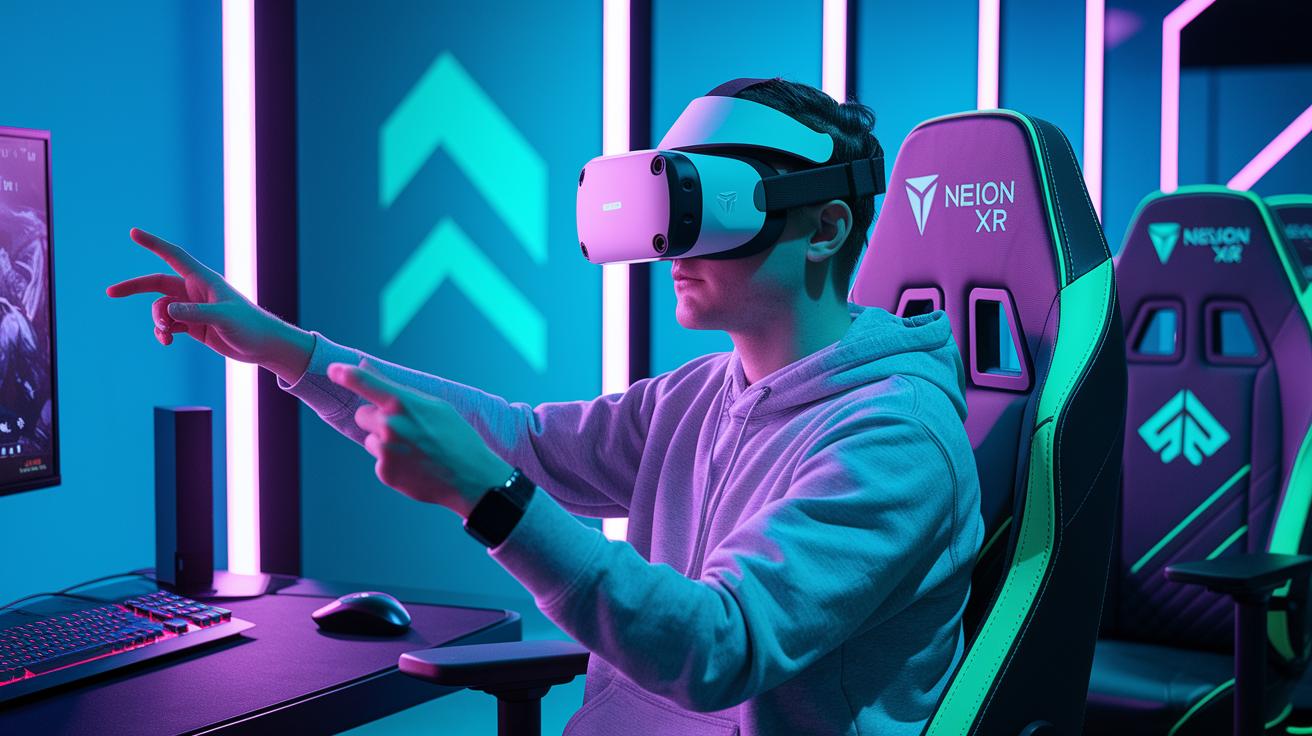
Gamer hubs today often run into tech issues that slow everyone down and spoil the fun. With cool XR zones and virtual reality demos now on the scene, these spots must have fast internet and up-to-date gear like VR headsets. But when servers get overloaded, things can get choppy real quick. Imagine trying out an XR demo, and bam, a lag spike hits and the demo freezes mid-session because of unexpected hardware glitches.
During busy times, high traffic shows off the limits of the available bandwidth. As more interactive demos join the mix, streaming delays start to show. These delays are a real pain for real-time gaming, leaving players twiddling their thumbs while the data tries to push through the clog. Even when newer software and older systems mix, problems can pop up, making even the best hardware lose its spark.
Server overloads are a common enemy, especially when AR and VR demos demand nonstop data. To keep up, modern gaming hubs really need a tech makeover. Looking up guides on technical integration, like the ones on how to build a gamer hub website, can be a lifesaver. This kind of support helps keep gaming smooth and the experience immersive without drowning in network issues.
In the end, hardware hiccups, streaming delays, and unstable networks combine to create a pretty tough challenge. To keep gamers pumped and connected, every piece of the hub needs to run as smoothly as the latest interactive demo.
Moderation and Community Management Challenges in Gamer Hubs
Keeping the community vibe smooth in gamer hubs isn’t always easy. Even with, like, smart AI bots that catch toxic language in real time, there are times when they mistakenly flag good chat or just take too long. Those extra seconds with unchecked disruptive messages can really mess with the mood.
Handling discussion boards can be a real pain too. Hubs set up rotating roles and voting so players can help moderate, but there’s still a need for someone to watch out for sneaky rule-breakers, kind of like having a referee on the field who still keeps an eye from the sidelines. And then there’s the worry about security breaches and privacy hiccups. Even with solid defenses, spam or worse might slip through.
Here are some common challenges:
- Keeping moderation accurate and fast without over-policing the chat.
- Running discussion boards where too much control might kill open conversations.
- Battling security breaches while keeping everyone’s personal data safe.
- Handling privacy issues when players share too much personal info in public.
These hurdles force hubs to mix automated tools with good old-fashioned hands-on checking, making community management a real juggling act.
Economic and Monetization Challenges Facing Gamer Hubs
Many gamer hubs count on fun events like weekly Skill Swap nights to keep players excited. These nights are a blast but also rack up big costs. Picture using most of your monthly budget just for one epic community night. Hubs have to juggle free events with paid subscription models to cover expenses. And when these events boost interest, they face the tough call: charge a fee to cover costs or keep it free to grow a loyal base.
When money gets tight, things really hit hard. Budget cuts can put upgrades on pause and slow down new content. Even switching to subscription plans doesn’t fix the choppy cash flow. Sponsorships can dry up just when you need them most. One hub leader even said, "We had a big upgrade planned, but unpredictable funding forced us to scrap it."
Here are key challenges:
- Tight budgets that hold back cool, new upgrades.
- Revenue plans that don’t bring in steady cash.
- Economic pressures cutting into available resources.
- Investment hiccups that widen the gap between competing hubs.
Market Trends and Competitive Saturation in Gamer Hubs
Lately, new gaming platforms are shaking things up and drawing in players from all around the world. But, as cool as that is, it also splits gamers into smaller groups that hang out in different online spots. This makes it tricky for any one hub to keep everyone together, so they have to keep rethinking their strategies to stay in the game.
At the same time, more and more digital hangouts are cropping up, meaning gamers are now spread out over lots of platforms. And honestly, gamer hubs are finding themselves up against specialty sites, like those special picks from the best gaming community platforms (check it out here: https://funcomputers.com?p=101), which makes grabbing a loyal crowd even tougher.
Then there’s competitive saturation. With so many hubs trying to offer unique features, every hub is hustling to stand out in a packed field. They aren’t just battling local competitors, but also facing off against international players, which adds extra challenges. In truth, these hurdles force hubs to constantly come up with fresh ideas and change up their tactics to keep players engaged and stay strong in a tough market.
Strategic Solutions Addressing Challenges in Gamer Hubs

Upgrading Infrastructure with XR and VR
Gamer hubs are now creating special XR zones loaded with VR gear to boost immersion and keep tech hiccups at bay. They’re hooking up the latest equipment and super-fast connections so data flows seamlessly. One hub even mentioned, "Stepping into our XR zone feels like entering a new level, everything just clicks faster." This upgrade means smoother gameplay and fewer overload issues when everyone's online.
Implementing AI-Powered Moderation
Hubs are using real-time bots to keep the chat clean by flagging nasty comments while keeping friendly banter flowing. By fine-tuning their bot settings, much like adjusting a game’s sensitivity, they catch harmful language fast without slowing everything down.
Organizing Mini-Challenges and Skill Swap Events
Quick challenges and short chat drills help keep everyone engaged and sharp. Imagine a mini-challenge where players share a key idea in under five seconds, it sparks instant energy. Plus, weekly Skill Swap nights let gamers trade tips and tricks, boosting both fun and teamwork.
Leveraging Rotating Roles for Team Bonding
Some hubs let players vote to swap roles every round, which strengthens teamwork and cuts down on misused resources. Everyone gets a chance to lead or support, just like switching heroes in a match to make the most of each unique strength.
Establishing Data-Driven Feedback Mechanisms
Automated review tools now track performance metrics in real-time, so teams can see what works and what needs a tweak. Every data bit helps them fine-tune strategies on the fly, making each session more exciting and keeping the hub in top shape.
Final Words
In the action, the post broke down core issues like network glitches, hardware hiccups, and moderation mishaps that hold back gamer hubs. It highlighted how XR zones, AI bots, and even mini-skills events can give these hubs a much-needed boost. The piece covered tech challenges, community upkeep, and even money matters, all crucial to keeping the vibe electric. It wraps up with fresh ideas to tackle challenges facing modern gamer hubs, leaving room for optimism and real change ahead.
FAQ
Frequently Asked Questions
What challenges face modern gamer hubs on Reddit and Xbox?
The question about challenges facing modern gamer hubs on Reddit and Xbox means these communities struggle with tech issues, community management, and budget constraints that impact both online interactions and overall performance.
What are the major problems in the gaming industry today?
The question regarding the state of the gaming industry means the sector faces tech shifts, budget cuts, layoffs, and changing audience expectations. These factors create instability and force companies to rethink their models.
What are five types of challenges associated with gameplay?
The question about five gameplay challenges means players often deal with technical glitches, balance issues, strategic decision-making pressures, connectivity lag, and coordination problems that can affect overall enjoyment and competitiveness.
What is the 40 second rule in gaming?
The question regarding the 40 second rule in gaming means this rule encourages swift task completion, stressing quick decision-making and rapid actions to keep gameplay dynamic and maintain competitive flow.
What are the contemporary issues in esports?
The question about contemporary issues in esports means that current concerns include regulatory gaps, player burnout, sponsorship uncertainty, and shifting platform dynamics, all of which impact competitive integrity and event sustainability.