


Ever wonder if the high price of top-tier games is really worth it? You know how these games shine with amazing graphics and smooth play, but there's always more than meets the eye. In this review, we dive into the ins and outs, from how solid the system is to how cool the features feel and the steady beat that keeps you playing. We cut through all the flashy tech talk to show you what really powers these games. Get ready to see if the heart of these gaming giants can handle the big bucks spent on them.
Core Principles for Analytical Review of AAA Gameplay Mechanics
AAA games come with giant budgets, often more than $50 million and sometimes even over $100 million when you add marketing. Just think about Red Dead Redemption 2's massive $540 million or Cyberpunk 2077's $316 million. With so much cash on the line, everyone expects the best in visuals, sound, and smooth gameplay.
When we review these games, we use a simple plan that cuts through the flashy tech to focus on what really matters.
-
System integrity metrics – We check if the game’s foundation can handle the pressure. Imagine a speedrunner hunting for glitches, every part, from steady frame-rates to tight input controls, is put to the test, right from early builds to final quality checks.
-
Feature implementation scrutiny – In this step, we break down how each game mechanic works. Whether it’s realistic physics or cool adaptive audio, we make sure every detail fits well into the overall design and gives you a fun but challenging experience.
-
Entertainment loop assessment – This is all about the game’s fun factor. Does it keep you on your toes with a steady rhythm of rewards and challenges? We want to know if the game can hook you and hold your interest for the long run.
Using this clear framework, we can dive deep into everything from core mechanics to what players are saying. It helps us highlight what really makes the gameplay tick and sets the bar for future AAA hits.
Dissection of Key Mechanics in Benchmark AAA Titles

Diving into big-name games helps us see what makes these top-tier titles fun and solid. When you look at the cool features, you can tell how game makers mix pure action with designs that are easy to play.
God of War (2018) shows off a tough combat system that pulls you into fierce, up-close fights. Picture using a shield to block or hitting with momentum-based moves alongside smart enemy AI. Each part makes you react quickly and plan your moves, just like nailing combos in your favorite fighting game.
Breath of the Wild adds its own twist with puzzles that use physics and a smart stamina system. Imagine facing challenges where wind, gravity, and every little detail matters, pushing you to plan every step with care. These puzzles need both creative ideas and careful moves to keep the game feeling fresh.
The way you move around in these games changes how you explore their digital worlds. They offer huge, open areas that invite you to interact with every detail, making every hidden path or secret a cool discovery.
Smart enemy behavior also ups the fun, so no two encounters ever feel the same. When you compare these features, you can see trade-offs: some games lean toward smooth, action-packed combat, while others mix in clever puzzles to create a balanced, immersive experience.
Balance, Challenge, and Player Progression in High-Budget Games
AAA games keep you hooked by matching progress with the right level of challenge. Devs spend a lot of time fine-tuning how you level up, making sure you get a good mix of learning new tricks and earning cool rewards. They even use feedback from players like us to keep the gameplay feeling fresh.
Cyberpunk 2077, for example, features deep perk trees that let you build your character your way. You get to choose which skills to boost, unlocking neat abilities that give you an edge during battles. It’s all about experimenting and finding what plays best for you.
Red Dead Redemption 2 takes it a step further with honor ratings and in-game economy stats. Every choice you make can change your story and affect your reputation. This means the harder your choices, the tougher the challenges, and that adds a real sense of risk and reward.
Then there’s Destiny with its season-based loot system. Every few months, things reset, which forces you to adapt your strategy. Even if you know the mission, there’s always a new twist waiting for you.
In the end, it’s all about balance. From learning curves to evolving rewards, these big-budget games keep perfecting their progression systems by listening to players and tweaking the challenges. And that’s what makes every session feel like an epic quest.
Social and Competitive Dynamics in AAA Multiplayer Systems
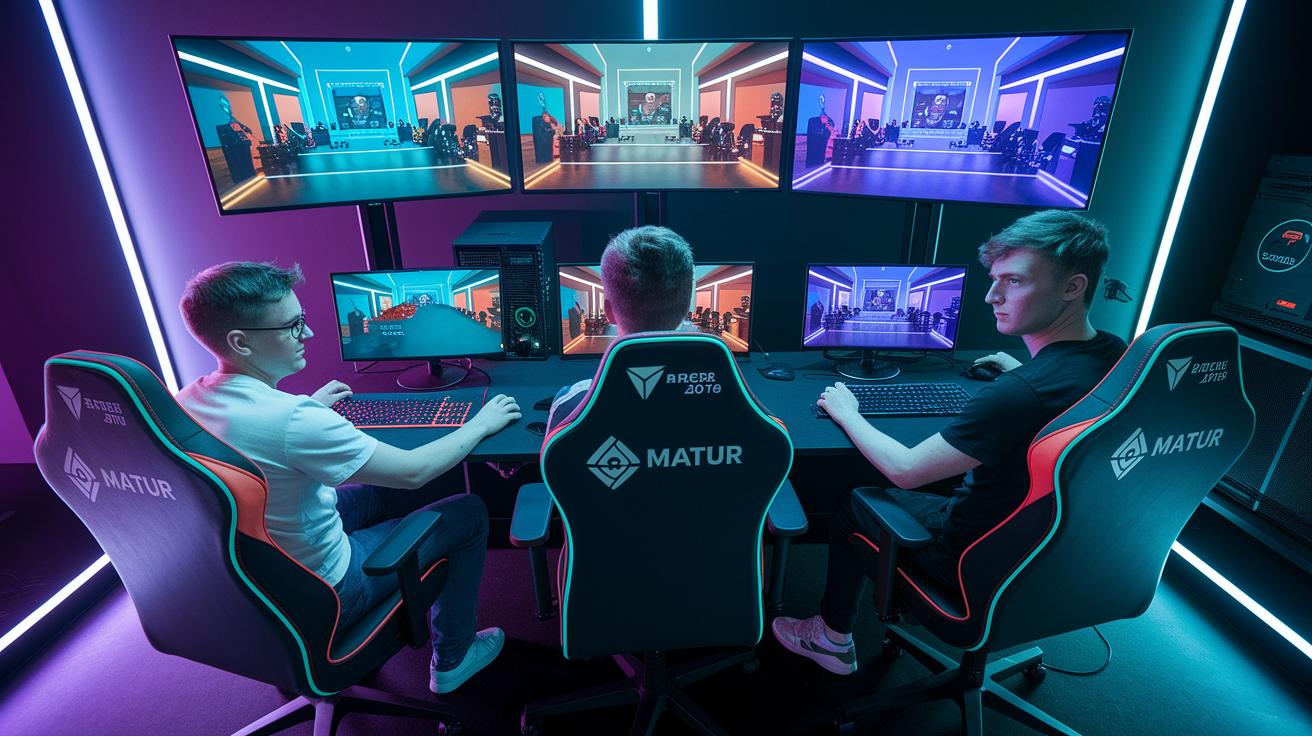
Ever noticed how Fortnite can pull in 12.3 million players at once? PUBG has even hit over 3 million, and FIFA keeps tens of millions active every season. These huge numbers show just how deep multiplayer runs in top-tier games. Game makers seriously focus on making multiplayer a blast for everyone.
Matchmaking isn’t just random, it’s built to balance teams and skill levels. The game crunches data on how you play to line you up with opponents and teammates who keep every match exciting and fair. It’s like the game is always promising a fun fight, urging you to jump back in.
When it comes to teaming up, games like Destiny really stand out. Its co-op raids let you and a small crew plan your moves and take on tough challenges together. And then there’s Call of Duty, where quick calls and fast reflexes rule. Plus, many games now have social hubs where you can chat, strategize, and celebrate wins with friends.
Developers keep the fun fresh with regular updates, seasonal events, and constant tweaks based on player feedback. These smart moves not only boost your multiplayer experience but also forge a tight, loyal gaming community.
Integration of Narrative and Environment in Gameplay Framework
Interactive storytelling has come a long way from simple cutscenes where nothing really changed while you played. Back in the day, games like Half-Life mixed the story right into the game engine so that every move felt part of the narrative. Now, titles such as Red Dead Redemption 2 bring the world to life with lively events and tiny, detailed touches that pull you into the tale, while God of War combines movie-like scenes with your own actions to make it all feel epic.
Environmental Cues vs Scripted Sequences
Sometimes, the game world talks to you without any fancy cutscenes. You might notice a shift in light or a soft sound hinting at a secret history, all without breaking the flow of your gameplay. On the other hand, there are those well-planned moments that slam you with key story twists and big emotions. Each way has its own charm. Sometimes the story feels natural as it unfolds piece-by-piece, and other times you need that big, scripted moment to really hit home.
When the game artfully mixes storytelling with what you do, it feels like every step counts. Clues around the world steer your actions and keep the adventure exciting and fresh. This combo ensures that every player's journey feels unique, with the world reacting to your choices and letting the story bloom in unexpected ways.
Technical Performance and Interface Evaluation in AAA Releases

In the early steps of game development, teams start with pre-production. This is when they set performance goals and sketch out fresh ideas to back up the game’s big plans. They try out these ideas right off the bat to see if they can handle the game’s ambitious design. Next comes the vertical slice, which focuses on the game’s core features. Here, they check things like keeping a steady frame rate (how smooth the game looks) and ensuring the controls react quickly. Then, the game moves into Alpha and Beta stages where the QA crew puts it through rigorous tests, watching memory use and smoothness on various setups. All these steps are key to making sure the game works great on every platform, whether that’s PlayStation, Xbox, Switch, PC, or even cloud streaming.
| Phase | Main Focus | Example Title |
|---|---|---|
| Pre-production | Checking ideas and planning | Early Sandbox |
| Vertical Slice | Testing key game features | Demo Build |
| Alpha/Beta | Steady frame rates and quick inputs | Polish Build |
Checking the game’s interface is just as important. Developers work hard to balance quick, responsive controls with clear and simple UI elements so that players get crisp visuals and seamless interactions no matter where they play.
Industry Trends and Future Directions for AAA Gameplay Innovation
Live-service models and DLC ideas have turned the AAA gaming world on its head. Developers now work hard to keep games fresh long after they launch. Huge deals are shaking up the industry, with some acquisitions soaring up to $68.7 billion and $3.6 billion. Just think about it, Modern Warfare hit the $1 billion mark in a flash, and Marvel’s Spider-Man flew off the shelves with over 20 million copies sold. All this big money fuels a race for innovation, pushing studios to deliver constant updates and fresh content.
Looking forward, cool tech trends are set to change the way games play and look. Cloud AI will soon power game worlds that adjust on the fly, throwing in unexpected challenges and loads of variety. Procedural content is on the rise, meaning levels and scenarios will form naturally to fit each player’s style without needing every detail hand-crafted. Plus, cross-platform play is getting better, so switching between devices is smooth and hassle-free.
Researchers are now keeping a close eye on these changes to see how they keep players coming back. Experts study how cloud mechanics and smart, on-the-fly level designs affect balance and game longevity, making sure new titles stay ahead in a fast-changing market.
Final Words
In the action, we broke down core elements in AAA titles, from system metrics and combat intricacies to narrative and interface checks. We covered multiplayer twists, technical specs, and trends that shape gameplay. Each piece builds on clear benchmarks that help you see how top games set the standard.
This analytical review of gameplay mechanics in AAA titles leaves you with fresh insights and a solid boost to your gaming experience, making every session feel like a win.
FAQ
What does an analytical review of gameplay mechanics in AAA titles 2022 involve?
The analytical review of gameplay mechanics in AAA titles 2022 examines system integrity, feature performance, and overall player engagement by breaking down design choices and technical implementation in high-budget games.
Where can I find lists of AAA games and AAA game studios by year and platform?
The search for AAA game lists and studios is streamlined through specialized gaming sites and databases that compile year-by-year breakdowns and platform-specific guides for high-budget game titles.
What do AAA titles mean in gaming?
AAA titles in gaming refer to high-budget games known for polished gameplay, advanced graphics, and expansive worlds, produced by large studios with significant marketing and development investments.
What are the 4 elements of game mechanics?
The four elements of game mechanics typically include rules, systems, controls, and feedback loops, all of which work together to shape user experiences and drive a game’s interaction framework.
What is a formal analysis of gameplay and how do you describe gameplay mechanics?
A formal analysis of gameplay is a structured evaluation of how a game’s rules, systems, and interactions function, while describing gameplay mechanics means detailing the controls, feedback, and design choices that guide player actions.
How do AA games differ from AAA games?
AA games typically have smaller budgets and development teams compared to AAA titles, resulting in simpler visuals or features, while AAA games benefit from high investments that deliver more polished production and broader scope.