
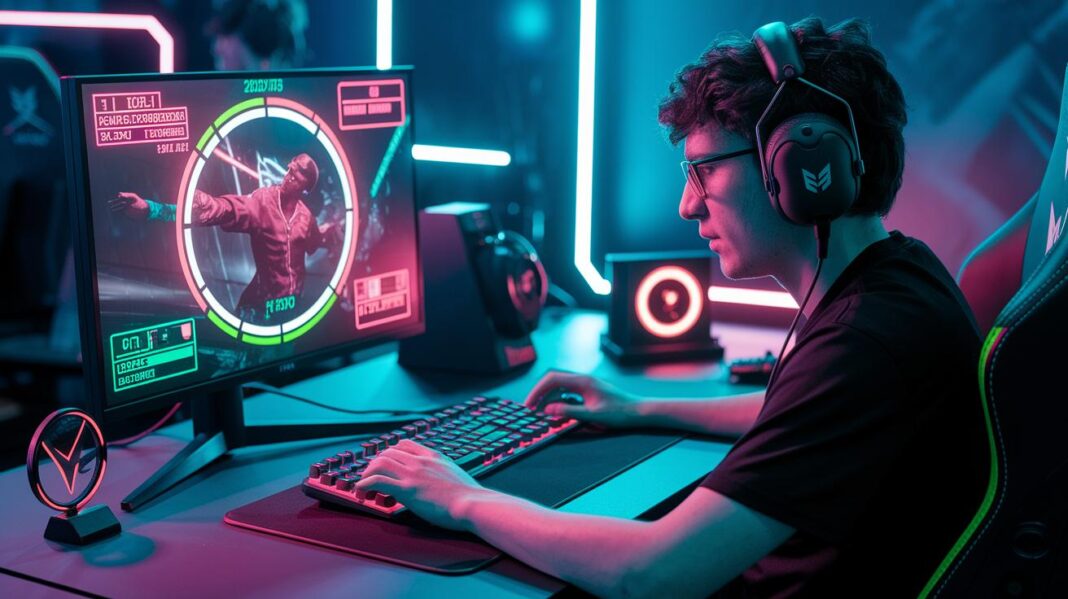

Have you ever felt like your game clock is chasing you nonstop, like an enemy you just can’t shake off? In those fast-paced matches, every second really matters, keeping you on high alert between focus and distraction.
This guide is your power-up to treating time like a secret weapon. Set clear goals, use smart tools, and take well-timed breaks. Soon, you’ll find yourself turning frantic play into smooth, focused gameplay.
Get ready to manage your minutes like a pro, keeping your energy high and your skills sharp in every match.
Core Time Management Strategies for Fast-Paced Video Games

When you're in a high-stakes match, every second feels like a precious power-up. You need to stay sharp and keep your routine on point. Imagine switching out downtime for a clear mission plan, this trick can change a hectic game into smooth, focused action.
In those tight, action-packed sessions, smart moves become the real game-changer. Think of each tactic as a mini boost, helping you tackle the game head-on. By zeroing in on the must-do tasks, like focusing on main objectives instead of getting sidetracked by extra quests, or using apps that track your play time, you set up a game plan that blends work and play without holding you back. It’s all about carving out time for gaming, sneaking in quick breaks to keep your energy up, and keeping your edge sharp.
- Zero in on clear in-game goals instead of vague targets.
- Focus on the big objectives, leaving the side quests for later.
- Use digital tools like reminder apps and session trackers.
- Block out regular gaming sessions, like 30–60 minute chunks.
- Take quick breaks every 45–60 minutes to dodge burnout.
- Start small with habit changes to build steady progress.
- Aim for 7–8 hours of sleep to keep your reflexes at peak.
- Cut down on distractions like annoying notifications.
- Chat with friends or family for tips and to stay accountable.
By using these straightforward strategies, you’ll notice a clear boost in your game. With simple, smart goals and a schedule that respects your time, every match feels more focused and impactful. It's like turning chaos into a well-oiled machine, gearing you up to enjoy every moment of competitive play while still keeping your everyday life in check.
Effective Session Planning and Prioritization in Fast-Paced Video Games
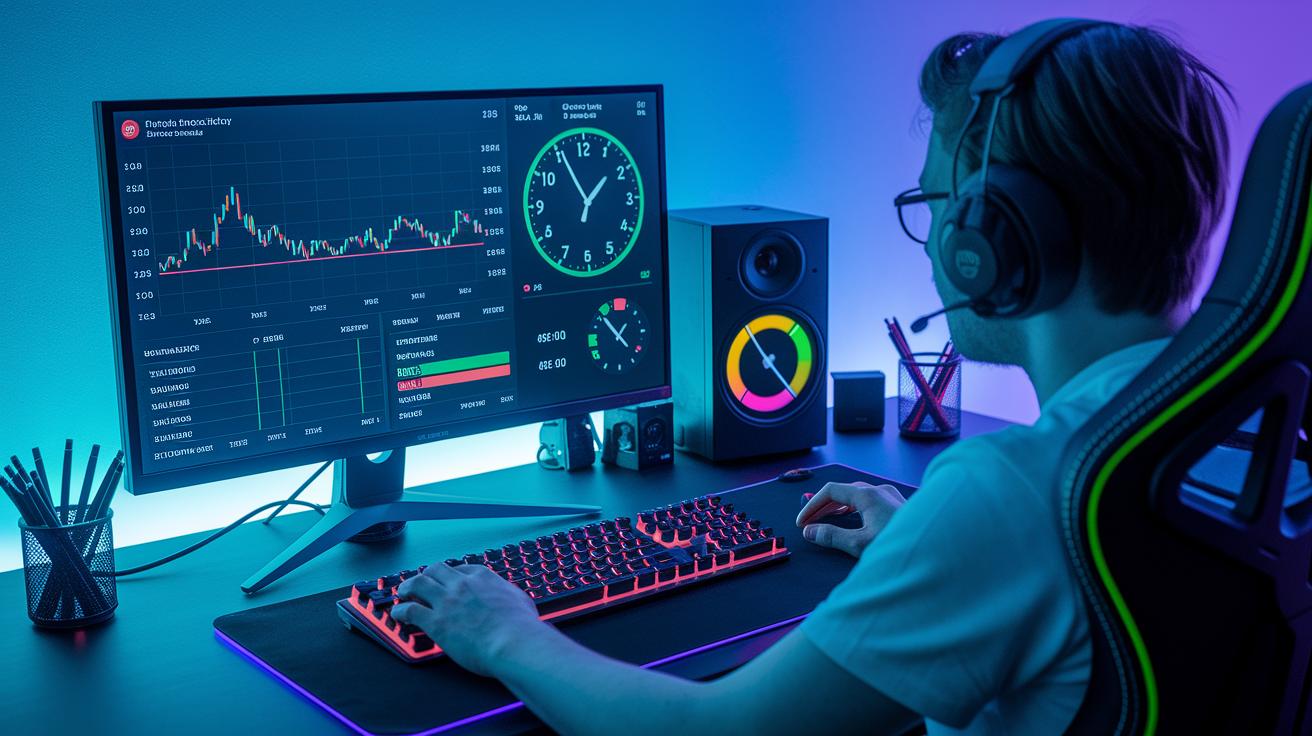
Think of your game time like an important event. Mark a clear start and end, and don’t just stick to a fixed schedule. Check your in-game stats, like your win rate or scoring trends, to decide if you need to tweak your plan. For example, if your kill-to-death ratio lights up, you might double your practice to keep that hot streak rolling. This flexible approach lets you adjust in real time using the data the game hands you.
Try mixing set time blocks with your game stats for a smarter game plan. Start with a warm-up, tackle big goals, and then review how you did. Imagine this: after checking your match stats, you break a 30-minute session into two sharp 15-minute bursts to work on the spots that need improvement. It’s all about making every minute count and keeping your practice laser-focused.
A top gamer once showed how adaptable planning can level up your play. They kept an eye on their performance mid-session and switched up tactics right then and there, which led to real improvements. Check out this simple table for a breakdown of these cool scheduling tricks:
| Tactic | In-Game Example |
|---|---|
| Performance Analysis | Look over your match stats to plan what’s next |
| Adaptive Timing | Break sessions into shorter, focused bursts as needed |
| Real-Time Adjustments | Ramp up practice when you see your performance rising |
This new way of planning dives deeper than basic scheduling. It gives you a dynamic, data-driven method to run your game sessions, letting you adapt on the fly and always stay ahead of the curve.
Tools and Timers for In-Game Time Optimization

Ever notice how you can get lost in a game and forget time? Tech tools can help you stay on track. They send you alerts or even lock you out after a set time. It’s like having a digital buddy keeping an eye on things, making sure you take those well-needed breaks. It feels natural, almost like planning your gaming session without stress.
There are cool in-game overlay timers and Discord bots that show a live countdown during your matches. That little timer tells you when it’s time to wrap up, preventing any surprise burnouts. Imagine your screen giving you a gentle nudge when your playtime nears its end, it’s a friendly reminder to keep your game time smart and steady.
| Tool | Function | Platform |
|---|---|---|
| Toggle | Tracks session time | Windows/Mac |
| Cold Turkey | Locks apps | Windows/Mac |
| GameTimer Bot | Shows overlay countdown | Discord |
| Pomodoro Extension | Runs 25/5 min cycles | Chrome/Firefox |
Using these digital aids helps you quickly balance intense rounds with structured play. With real-time alerts and clear breakdowns, every minute counts toward boosting your game and keeping your play sessions on point.
Micro-Decision Making and Rapid Reaction Skills for Time Efficiency
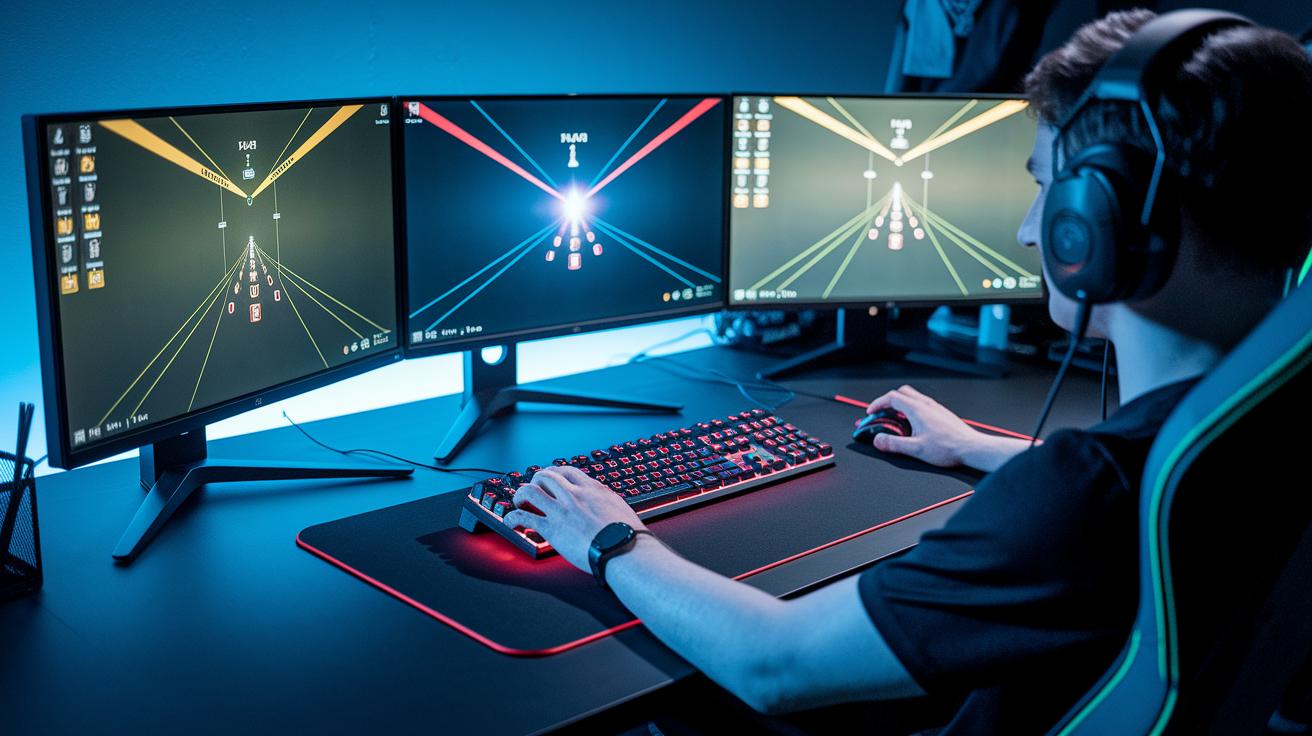
Fast reaction drills keep your game flowing. Try simple speed tests that trim off wasted milliseconds and boost your decision-making. Stick with these drills regularly, and you could shave 15 to 20 milliseconds off your response time over a few weeks. Every extra millisecond counts.
Another smart trick is to optimize your hotkeys and quick-action macros. Set up custom commands for moves you do all the time, and you might cut routine task time by up to 30%. With a bit of practice, those key bindings become second nature, so you won’t be stuck navigating menus in the heat of the match.
Finally, mastering micro-management means streamlining everyday in-game tasks. Use pre-set inventory slots and ability binds to reduce time spent on menus. This setup minimizes hesitation and keeps your gameplay smooth. Keep practicing these small tweaks, and you'll find your overall performance getting sharper in no time.
Strategic Time Breaks and Energy Management for Sustained Focus
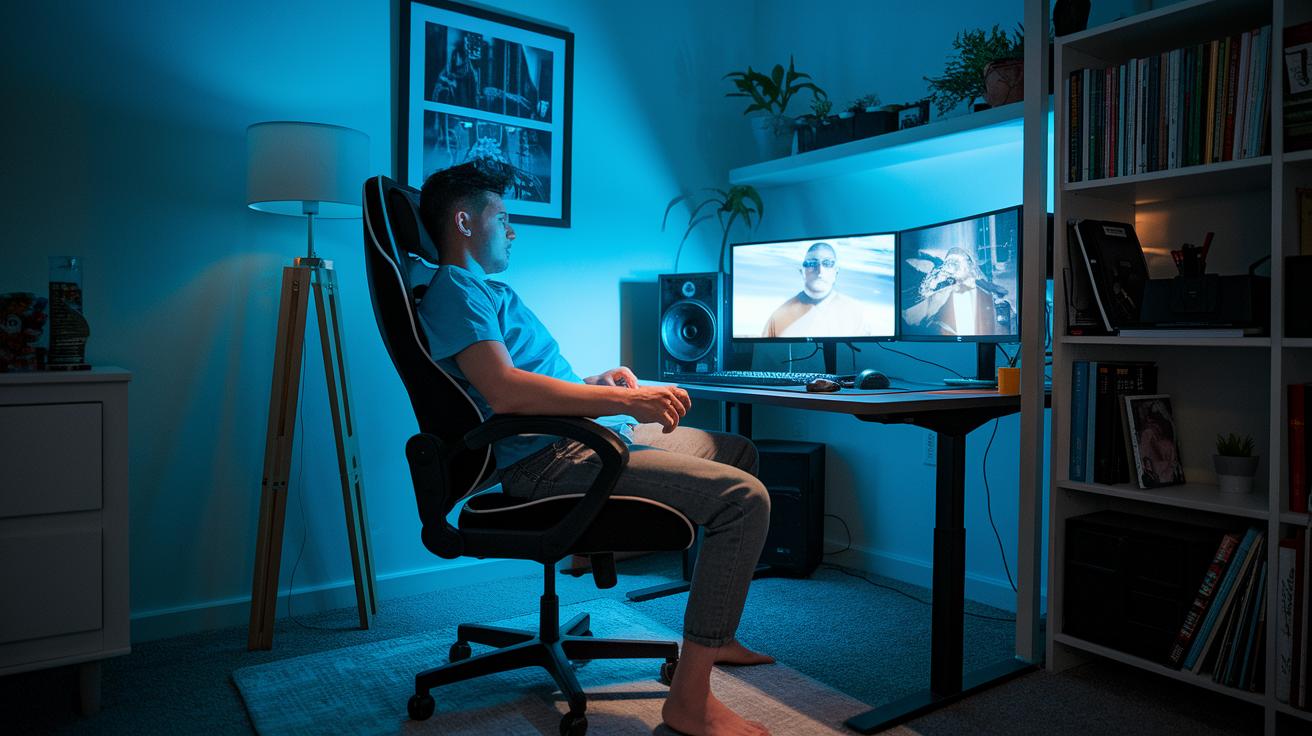
Break up your gameplay with quick cooldowns. Every 45 to 60 minutes, take a five-minute pause, stretch your legs with a brisk walk or clear your head with some deep breaths. Ever feel like pausing a match to re-read your strategy? Try breathing deeply like that. It eases the mind and adds a spark to your session.
Pair these breaks with a solid sleep routine. Getting 7 to 8 hours of sleep every night can cut your reaction errors by nearly 25%. Blend these energy tips into your routine for a smooth, all-in-one plan to keep you sharp and ready for the next level.
Tracking Performance and Analytics to Refine Time Control

Start by recording your game sessions with clear numbers. Write down how long you take on each mission, your completion rates, and even how quick you react during key moments. This info acts like your game map, showing where every second goes. For example, note the minutes it takes to finish a mission or any lag when opening menus. These details help you spot things that might slow you down, like frequent menu delays or long idle times. A simple spreadsheet or a quick logging app can turn your raw playtime into useful tips.
Next, review your gameplay footage and performance timelines to find those sneaky time sinks. Look for moments when your response wasn’t up to speed, and see how that stacks up against your usual pace. Then, try small tweaks in your next sessions. By adjusting little things based on your timeline, you might cut your match time by 5–10% and make every session run smoother.
Speedrun Planning and Fast Reflex Training for Competitive Edge
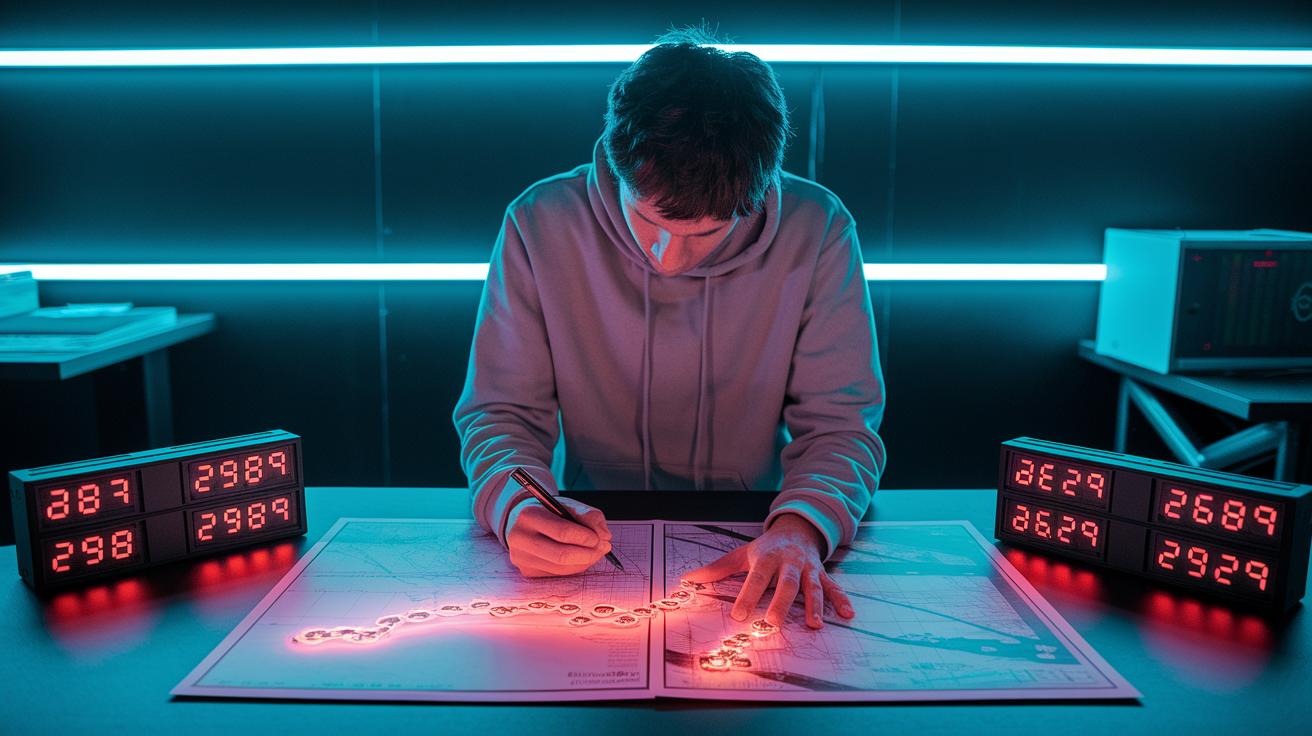
Plan your run like you're mapping out a winning path in your favorite game. Many speedrunners stick to route maps, clear split plans, and even plan for random events to save those crucial seconds. It's like setting small goals where every split acts as a checkpoint to beat your best time. For example, before trying a level skip, map out every move to boost your speed, much like drawing up a treasure map before a race.
When every millisecond counts, training your reflexes becomes super important. Try using aim trainers, pattern drills, or reaction-time apps to shave a few milliseconds off your decisions. Simple exercises that force you to make quick choices can really help so that when things heat up, you're ready. Picture a drill where a sudden flash means you have to act immediately, each try makes you a bit faster.
After a burst of intense gameplay, take a short pause to cool down and reset. Practice sequences that mimic those boss entries or quick cutscene skips, then follow up with a few deep breaths to clear your mind. A tiny break like this sets you up perfectly for the next fast decision. They say, "Take five seconds to breathe deeply between splits." That little tip can really help you hold onto your competitive edge.
Final Words
in the action, we broke down practical time management tips to sharpen your play in fast-paced video games. We covered setting clear in-game goals, blocking out fixed sessions, and using handy timers to cut wasted seconds.
Each tip, from quick reflex drills to scheduled breaks, builds your strategy guide for time management in fast-paced video games. Keep refining your tactics and tracking your performance. Embrace these ideas and enjoy every intense play session with a clear head and high energy.
FAQ
Q: Strategy guide for time management in fast paced video games pdf and reddit
A: A strategy guide for time management in fast-paced video games shows proven tips for scheduling plays and reducing wasted time. These guides, available as PDFs or shared on Reddit, offer hands-on advice to boost your in-game efficiency.
Q: What is the 7 8 9 rule of time management?
A: The 7 8 9 rule of time management means balancing your routine by aiming for 7–8 hours of sleep, using 8 minutes for pre-game focus, and spending around 9 minutes reviewing your session to improve performance.
Q: What are the 5 P’s of time management?
A: The 5 P’s of time management in gaming refer to planning, preparation, practice, performance, and post-session review. This framework helps you set goals, plan strategies, and reflect to enhance your play.
Q: What is the 40 second rule in gaming?
A: The 40 second rule in gaming suggests that if you’re inactive for over 40 seconds, step back to regroup or adjust tactics. This keeps you sharp and prevents time from slipping away during intense matches.
Q: What is the 20 rule for video games?
A: The 20 rule for video games means dedicating roughly 20 percent of your playtime to strategic planning. This brief pause helps you organize your actions, making your gaming sessions more focused and efficient.