


Ever wonder if today's action-adventure games still bring that special magic or if they’re just rehashing old tricks? In this review, we dive into a mix of smooth fighting moves, cool stories, and fun game mechanics that really set these titles apart. Veteran game designers and the latest hits both show us what works great and where things could be better. We take a close look at how smart level layouts and sharp controls team up to keep you in the game, while also asking if sticking with old ideas might be holding the genre back.
Professional review of action-adventure game dynamics rocks
Today’s action-adventure games mix fun gameplay with epic stories. New games borrow ideas from role-playing adventures, letting you level up and make cool choices along the way. Long-time designers, some of whom started back in the '90s, know all the tricks of the trade. They’ve seen the highs and lows from working on big multiplayer hits and action-packed adventures. Some critics even say that while these detailed systems add flair, they might also hint at a creative stall in the genre.
When you break down a game, you’re checking out things like smooth combat, a clear storyline, and jaw-dropping graphics. A game that nails tricky level design along with sharp, responsive controls is one that really keeps you in the zone. Imagine smart enemy moves, slick motion capture, and sounds that feel like you’re right in the midst of the battle. Game makers have upped their game with textures that pop and lighting that sets the mood for every mission. And that mix of epic scores with subtle background effects pulls you even deeper into the action.
Digging deeper, a great game also feels smooth to play and easy to navigate. You want a high frame rate, clear menus, and controls that just click. Experts agree that when a game balances a cool story with solid gameplay, it truly makes you feel like a champ. It all shows that thoughtful design is what keeps the best action-adventure titles at the top of their game.
Gameplay Mechanics Breakdown in Action-Adventure Game Dynamics

Every solid game needs a set of tight mechanics. When combat, movement, and other systems click, you feel truly immersed in the game world. Take ARC Raiders, for example, this game nabs both PvE and PvP extraction shooter vibes with mechanics that keep solo players and small teams in the thick of the action. Sure, fancy visuals and big ideas are cool, but any hiccup in how things work can throw you off, so every little part must work together nicely.
• Melee and ranged combat responsiveness
• Environmental traversal and parkour elements
• Puzzle integration within level geometry
• Stealth approach assessment
• Cooperative synergy mechanics
Each of these parts builds on one another to fuel exciting play loops. Think of smooth combat as that lightning-fast reaction during boss fights, while parkour lets you glide through the world in creative ways. The puzzles offer off-beat challenges amidst the chaos, and stealth moves give you a chance to try a different tactic. Plus, cooperative moves mix personal skill with team strategy, ensuring that even a small glitch won't ruin the fun. All in all, these features work together to create a game experience that feels full of ambition and deep in detail.
Narrative Flow and Interactive Dynamics in Action-Adventure Game Dynamics
In ARC Raiders, the narrative pacing tries to mix a huge storyline with interactive bits that pull you in. The game aims high with its story design, throwing in branching choices that can flip each session into something unexpected. Sometimes, though, the delivery feels off, some parts rush by while others drag on, leaving loose ends and muddled character motives that can really puzzle even the die-hard players. The game world itself shares bits of lore and visual hints, inviting you to pick up clues and piece the story together as you explore.
When it comes to gameplay and character growth, the game leans on events driven by the community. Global missions on maps like Stella Montis push you to make key choices, making you feel like each decision matters. Character arcs naturally blend with these moments, guiding your personal growth and the unfolding plot. Still, extra details like environmental cues and hidden backstories sometimes feel out of sync with the main narrative. All in all, this mix of bold storytelling and uneven pacing keeps things exciting, yet it can also leave you scratching your head at times.
Visual Fidelity and Audio Ambiance in Action-Adventure Game Dynamics
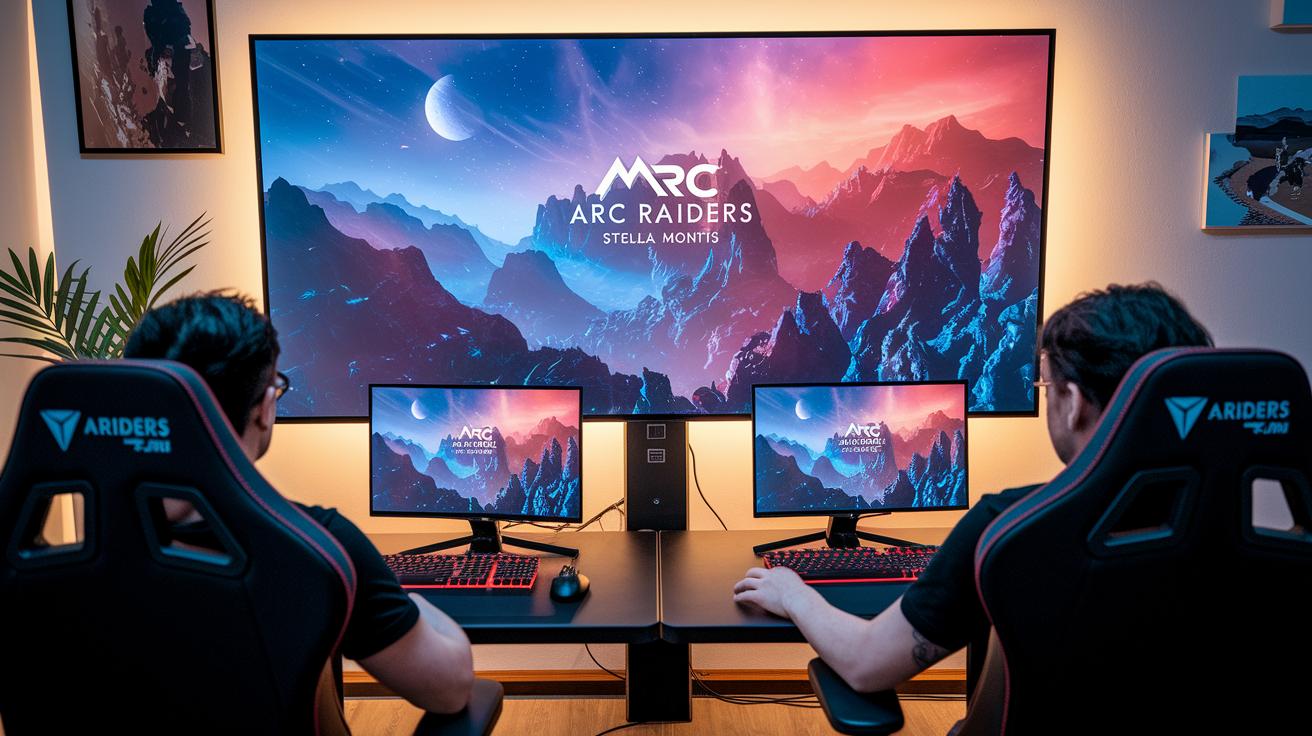
ARC Raiders really grabs your attention with its awesome visuals. The game shows off high-res textures and lively lighting on the Stella Montis map. Every scene is built with care, making shadows and colors pop like you’re stepping into a cool painting. If you love checking out game graphics, you’ll enjoy spotting the tiny details that add real depth to the world.
And the sound? It’s just as impressive. ARC Raiders mixes cinematic tunes with smart ambient sounds that pull you into every battle and quiet moment. Sometimes, the switch between tracks feels a bit sudden, but overall, the sound design amps up the mood, making every area buzz with energy. In short, the visuals and audio team up to create a game experience that feels both rich and alive.
User Experience and Technical Performance in Action-Adventure Game Dynamics
The newest update dropped on Nov 13 at 10:30 a.m. CET and brings the Stella Montis map, fresh enemy types, and a global community event that really pushes the game’s technical limits. You’re going to notice that the frame rate stays steady, so even in the heat of battle, everything feels smooth and clear. Plus, the game loads super fast, keeping your adrenaline up for non-stop action.
Take a moment to think about the steady stream of patches. With regular updates running from late October through the pre-order phase and on to Nov–Dec 2025, it's clear the team is serious about performance. The user interface is neat and simple; menus and in-game displays are clean, so nothing gets in the way when the action heats up. Controller feedback and input response are top-notch, so every press feels perfectly timed during those clutch moments.
Players quickly pick up on the balanced difficulty thanks to these tweaks. The game flows nicely between massive server events and smooth live updates, keeping things consistent throughout. All these little details come together for an experience that feels both immersive and reliable, keeping you in full control throughout every epic session.
Progression Systems and Level Design in Action-Adventure Game Dynamics

These days, lots of action-adventure games mix in RPG-style progression loops. You earn XP, level up skills, and unlock neat gear as you push through missions. Every quest turns into a moment to tweak how you play, making each round feel fresh. The mission flow feels like a string of mini-challenges where the order and your choices can shift the pace. When levels have several paths and secret side tasks, you get to try different skills and tactics.
A good level design weaves in extra challenges that really boost replay value. Many games run quests that stretch across the whole game, mixing tough challenges with cool character upgrades. Sometimes, though, these systems can feel a bit repetitive if they don’t throw in some new mission ideas. Balancing a familiar blueprint with fresh twists is a hot topic among players and reviewers alike.
Below is a summary of key progression elements:
| System | Implementation | Impact |
|---|---|---|
| RPG-style leveling | Earn XP with each mission | Better customization |
| Skill trees | Branching unlock routes | More control over builds |
| Quest chains | Multi-step challenges | Stronger story feel |
| Side objectives | Optional mini-tasks | Extra replay fun |
These game mechanics create a layered world that really tests your strategy and ability to adapt.
Extraction Shooter Case Study within Action-Adventure Game Dynamics
ARC Raiders mixes tight extraction shooter loops with the flow of action-adventure gameplay. Think of it like raiding for loot where risk and reward are high and enemy encounters can flip the game in an instant. It shifts smoothly from missions against computer-controlled foes to heart-pounding moments against other players. Whether you're playing alone or teaming up with a buddy, every match feels unique and tailored to small groups.
Then there are Server Slam events. These are timed challenges that push you to make snap decisions under pressure. Scheduled live events and fresh content coming in November and December keep things feeling new. You’re catching those adrenaline-fueled moments of strategic looting mixed with nail-biting extractions, all while keeping your reflexes sharp. Every event is a test of both your solo skills and how well you mesh with your team.
Overall, ARC Raiders shows off how shooter action can blend with the storytelling and pacing of action-adventure games. It’s a neat case study in mixing extraction loops, risk management, and cooperative play into one dynamic package. With more live events and new content on the way, it’s clear that smart, innovative design keeps the excitement going and players coming back for more.
Final Words
In the action, we broke down modern action-adventure titles to see how game mechanics, narratives, visuals, and technical performance mix together for exciting play. We uncovered detailed insights on combat, parkour-style moves, and side missions that shape each level’s feel. The breakdown also looked at in-game events that fuel player engagement and community buzz.
This Professional review of action-adventure game dynamics leaves us with a clear, upbeat look at how each core element works to drive a fun, engaging experience.
FAQ
What is the difference between action game and action-adventure game?
The difference between an action game and an action-adventure game lies in focus: action games center on intense combat and reflexes, while action-adventure titles mix combat with story-driven exploration and puzzles.
What next the action-adventure board game review?
The action-adventure board game review next shifts its focus to evaluating the game’s tactical planning, immersive design, and community interaction, offering clear insights for both board game fans and digital players.
What makes a good action-adventure game?
A good action-adventure game excels by merging crisp combat with engaging storytelling and clever puzzles, enhanced by high-quality visuals and sound, to deliver a balanced mix of excitement and thoughtful exploration.
Which is the No. 1 action game?
The top action game can vary by opinion; reviews reveal that strong player feedback, technical polish, and innovative gameplay are crucial factors in naming a title the No. 1 among its peers.