
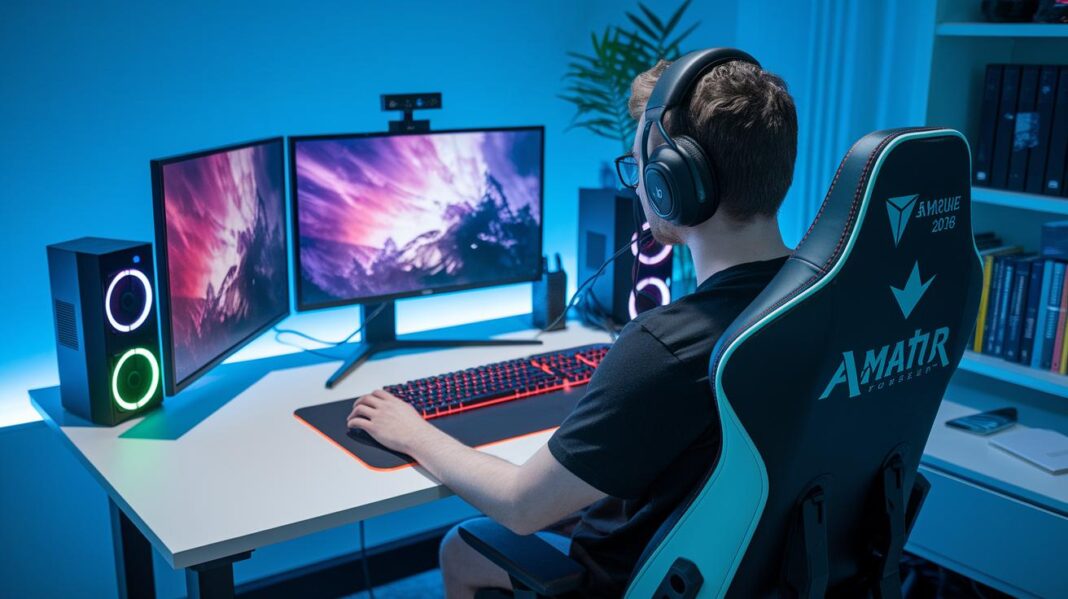

Have you ever wondered what matters more in your gaming setup, freedom or precision? Wired and wireless gear each bring their own awesome perks to your game.
Wired devices fire off quick, solid responses when you need them most, while wireless gear cuts the cords so you can declutter your space and move around easily.
This guide takes a look at how each option performs, how reliable they are, and how they stack up cost-wise. Whether you’re chasing ultra-low lag or just want the freedom to roam, we break down what really counts for your setup.
Wireless vs Wired Gaming Peripherals: Side-by-Side Performance & Feature Overview

Wired gear gives you steady power and super low lag, which is awesome for competitive games like FPS where every millisecond counts. They plug right into your computer, so you don’t have to worry about battery life or random signal interference when you’re in the heat of battle.
On the other hand, wireless gadgets offer more freedom. You can move around up to 30 feet and enjoy a cleaner, less cluttered desk. Sure, there might be a tiny bit of lag or an occasional hiccup, but modern wireless options, like the Glorious Model O wireless, which weighs just 67 grams and hits a 1000 Hz polling rate, are almost on par with wired devices in performance.
| Metric | Wired | Wireless |
|---|---|---|
| Performance | Steady power, ultra-fast response | Great performance with improved sensors |
| Latency | Ultra-low, ideal for tournaments | Slight, but near parity in premium models |
| Reliability | Consistent, no battery issues | Modern systems nearly match wired |
| Ergonomics | Customizable, some cable drag | Cable-free, tidier setup |
| Cost | Budget-friendly and durable | Higher upfront but feature-rich |
Cost is a big deal too. Wired devices usually come cheaper and need less fuss, while wireless setups might cost more because of extra bits like transmitters and batteries. I remember using a wireless mouse and loving the untethered vibe, it felt free without losing any speed. In the end, it’s all about matching your play style with the right gear.
Performance Deep Dive in Wireless vs Wired Gaming Peripherals

Wired mice still rock with crazy quick responses at a 1000 Hz polling rate and just 1 ms lag. But these days, wireless models have stepped up with new sensor tech. Recent tests check how stable the wireless signal stays in all sorts of settings and use fresh benchmark methods that really stress the sensor when there's interference. The bottom line? In everyday play, they perform almost the same, but wireless mice now sport sensors that handle speedy moves and messy interference even better.
The tech review digs even deeper now by looking at sensor accuracy and interference details. Check out this side-by-side breakdown of the main points:
| Metric | Performance |
|---|---|
| DPI | Wired units give steady precision, while new wireless sensors keep high sensitivity. |
| Polling Rate | Both wired and top-notch wireless hit a solid 1000 Hz. |
| Latency | Tests show less than 1 ms difference, even with interference around. |
| Sensor Accuracy | New calibration keeps tracking smooth and detailed across both types. |
| Real-World Speed | In actual gameplay, benchmarks prove their performance is nearly on par. |
Connectivity & Reliability in Wireless vs Wired Gaming Peripherals
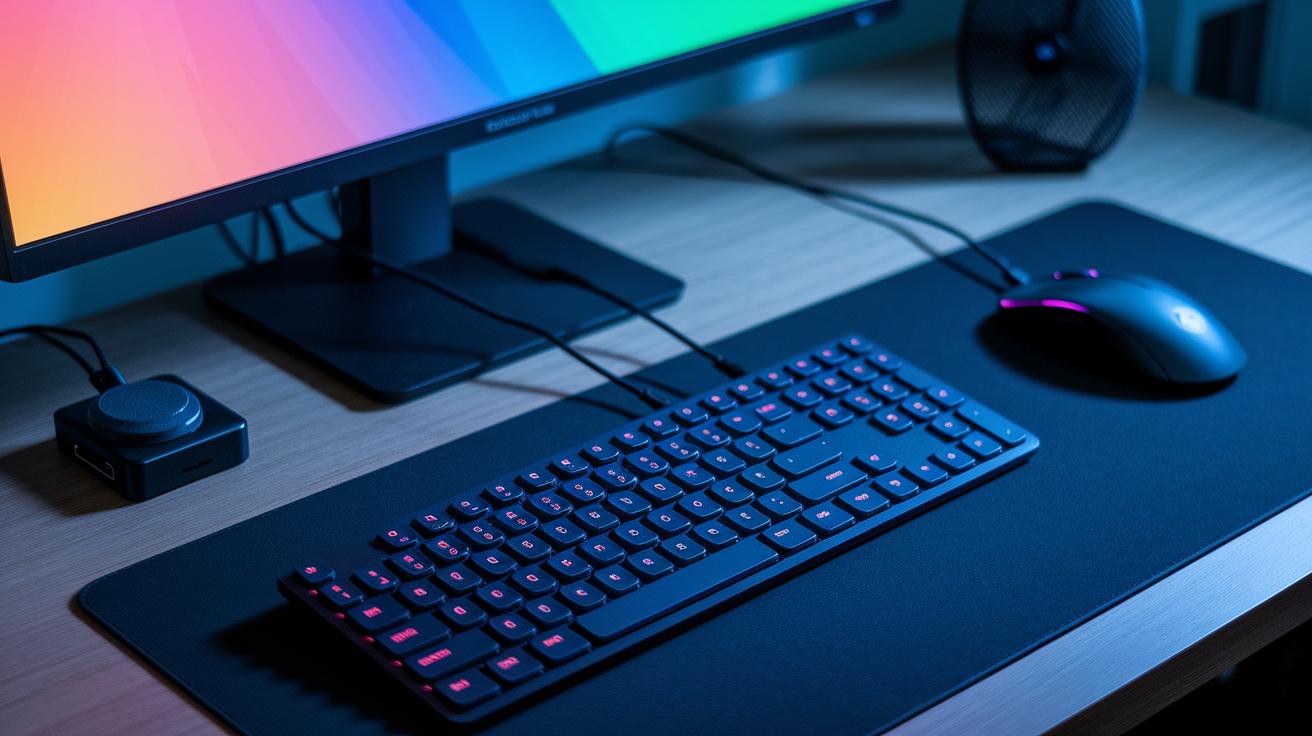
Wired gear really stands out. It uses a direct USB connection that dodges RF interference and packet loss like a champ. Sure, cables can wear out over time, but that’s a worry wireless setups don’t have.
Wireless models have come a long way. Many now tweak their firmware so that packet loss jitter stays below one millisecond. Older versions might occasionally show a tiny lag spike of 3–5 milliseconds, but tournament-approved dongles can now match the steady performance of wired devices.
In competitive play, every millisecond counts. Advanced wireless equipment gives you extra freedom of movement, though many gamers still prefer the interference-free, rock-solid signal of wired devices for those crucial moments.
Ergonomic & Design Differences in Wireless vs Wired Gaming Peripherals

Wireless gear makes your setup look way cleaner by getting rid of annoying cables. Without any drag to slow you down, a wireless mouse lets you pull off broad, smooth flicks, just what you need in fast matches. Imagine being in the heat of an intense fight, swinging your mouse freely with nothing holding you back. Even though both wired and wireless models often have similar shapes, like the cool honeycomb design of the 67g Glorious Model O, the absence of a cable means fewer distractions. And don’t worry, your onboard profile storage, RGB lights, and programmable macros work just as well no matter which type you pick.
Wired peripherals stick to the traditional vibe. They come with a bit of extra weight from the cables, which can sometimes get in your way (unless you swap them out with paracord or bungee cables to lessen the drag). Take wired keyboards, they can be sleeker without battery bulk, but those extra cords can clutter up your space. In the end, the presence of cables really changes your comfort and design feel; many gamers go wireless for the freedom, while others prefer the solid, direct connection of wired setups.
Battery & Power Breakdown for Wireless vs Wired Gaming Peripherals

Wireless gear these days is super handy, and its battery life really impresses. Your wireless mouse or keyboard can keep you gaming for up to 70 hours on one charge. Some models, like the Ducky One X 100% Wireless keyboard, can even last more than a week if you use a moderate backlight setting. Even VR headsets such as the Meta Quest 2 let you jump into action without cords for about 2 to 3 hours. And with new USB-C fast-charge modes, you can grab enough power in just a few minutes to keep playing for hours. It’s like having the freedom to game all day without sweating over a dead battery.
Wired gaming gear, on the other hand, solves any battery worries by drawing power straight from your PC. With these devices, you never have to stop to recharge, so you can dive into intense matches without any interruptions. Sure, wireless options give you more freedom to move, but they mean you have to watch your battery level to avoid an unexpected power cut mid-game. At the end of the day, the choice comes down to what matters more to you: having the freedom of a wireless setup or the steady, uninterrupted power of wired gear.
Cost & Investment Insights on Wireless vs Wired Gaming Peripherals
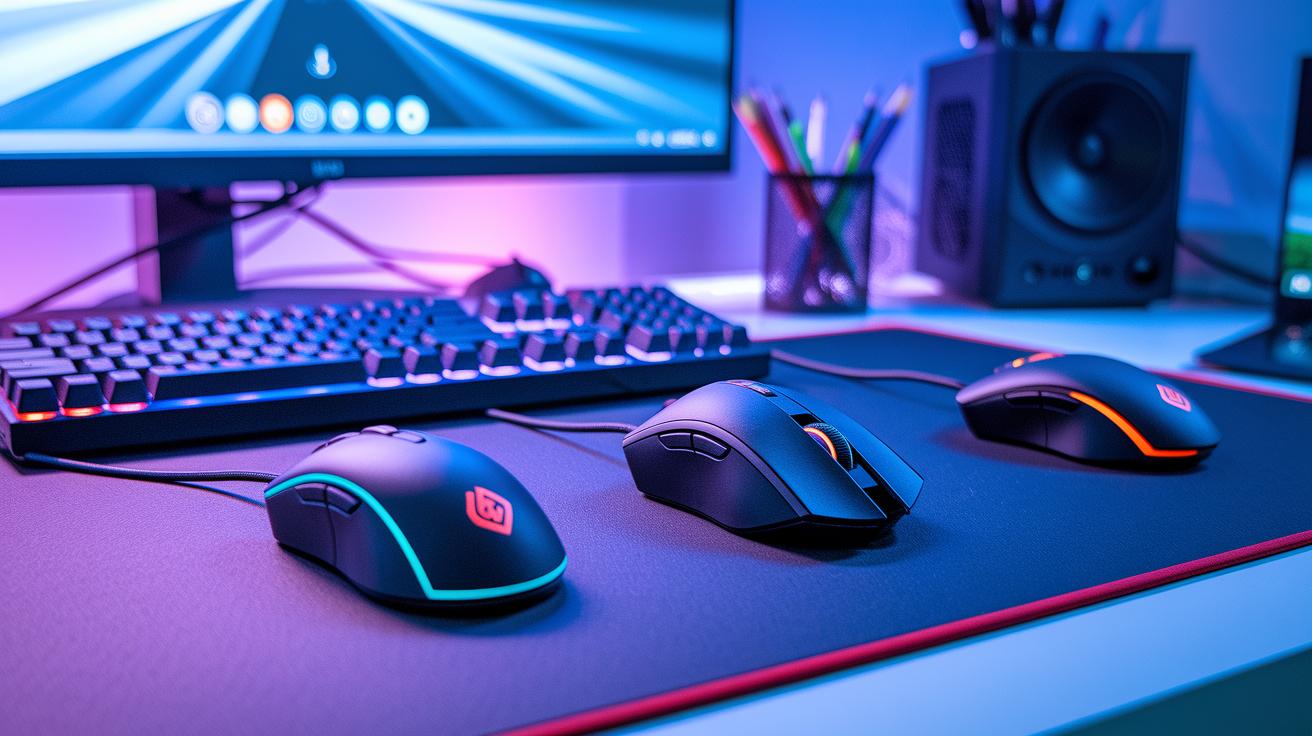
Wired gaming gear is usually a steal, often priced under $20. It offers simple tech and doesn’t need batteries, making it a super budget-friendly pick. On the other hand, wireless devices kick off at over $50 since they come with extra parts like transmitters and built-in batteries. In fact, mid-range wireless kits can cost around 25–40% more upfront. This price difference is a major factor when you’re shopping for your gear.
Over time, wired peripherals keep your wallet happier since you never have to worry about batteries or dongle replacements. Sure, wireless setups give you more freedom away from cords, but you'll likely face extra costs down the road. Taking a good look at both the initial price and the long-term expenses can help you decide which option fits your gaming style best.
Use-Case Scenarios for Wireless vs Wired Gaming Peripherals
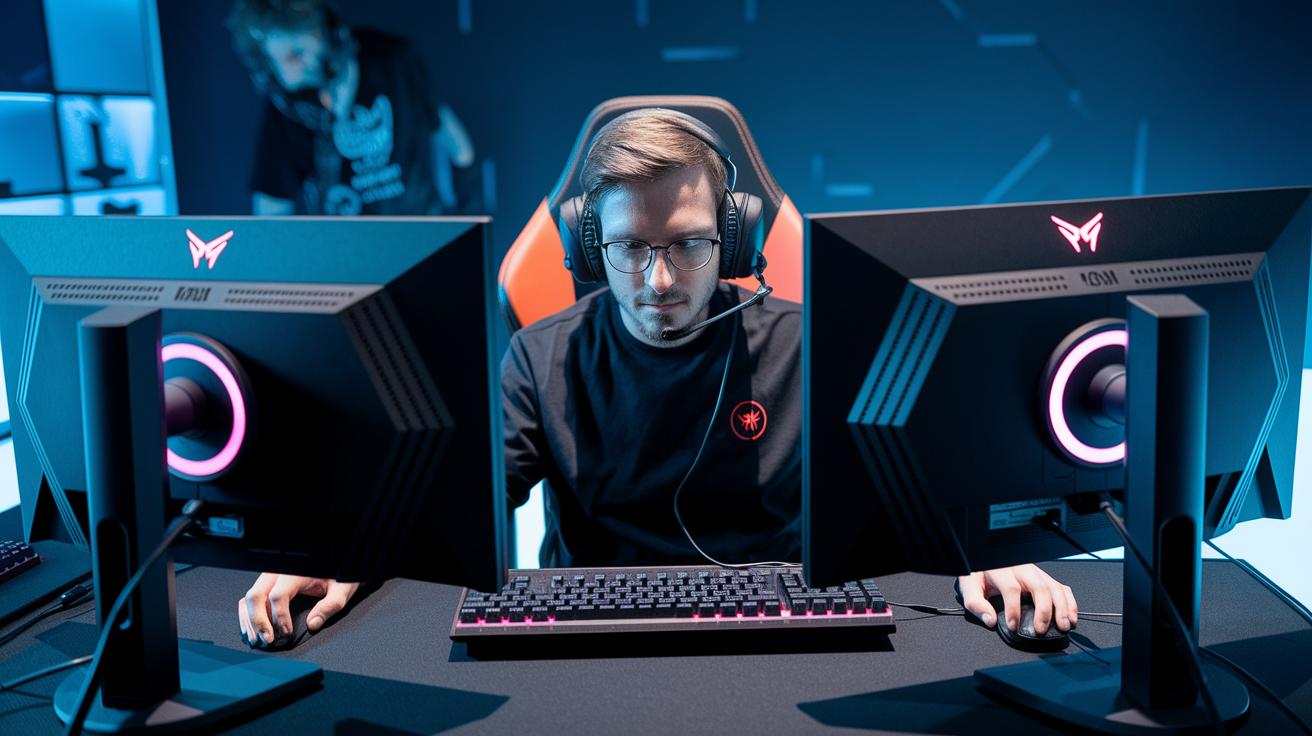
When you're choosing your gear, your play style really guides your decision. If you dive into competitive matches, wired devices with super low delay can be a lifesaver. But if streaming or diving into room-scale VR is more your thing, wireless peripherals give you the freedom to move around. And if you’re on a budget, starting simple with wired and upgrading later might be the smartest route. Each choice offers unique benefits that suit different gaming setups.
Competitive Gaming
For pros in FPS or MOBA tournaments, wired setups are the go-to. They deliver a super-fast and steady connection without any fuss about batteries or interference. It’s like having your controller in perfect sync with every move you make.
Casual & Streaming
If you're a streamer or just playing for fun, wireless gear lets you roam free. No tangled cables means you can easily switch positions or manage multiple screens during your live session. Imagine moving around naturally while keeping your game running smooth.
VR & Untethered Immersion
VR players love the freedom that wireless headsets and controllers bring. They let you explore your virtual world without the hassle of tripping over cables. The result is a much more immersive adventure where nothing holds you back.
Budget & Future-Proof Builds
If you're just starting out or need to stick to a budget, wired gear offers reliable performance that won’t cost a fortune. Later on, you can switch to wireless gear or upgrade your setup piece by piece. This way, your system stays ready for new tech and ever-changing gaming landscapes.
Final Words
in the action, this article broke down gear performance with side-by-side comparisons of wired and wireless gaming options. We explored response time, connection consistency, design comfort, and cost with a fun, clear look at each setup.
Whether you're chasing a competitive edge or a cleaner desk, this wireless vs wired gaming peripherals guide proves there’s a setup for every play style. Embrace what works best for you and keep leveling up your game.
FAQ
Frequently Asked Questions
What does the Reddit guide say about wireless vs wired gaming peripherals?
The Reddit guide indicates that wired peripherals offer steady power and low latency, while modern wireless gear provides extra freedom despite potential occasional connectivity hiccups.
How does a wired mouse compare to a wireless mouse for gaming?
The wired mouse typically delivers instant response and reliability, whereas the wireless mouse offers cable-free convenience with performance improvements that nearly close the gap.
What about latency differences between wired and wireless mice?
The latency comparison shows that wired mice tend to have almost zero delay due to direct connections, while high-end wireless mice have reduced gaps that suit most gaming needs.
Should I choose a wired or wireless keyboard for gaming?
The decision depends on your style; wired keyboards register keys immediately with no battery issues, and wireless ones deliver a neat, cable-free experience with minimal lag.
Are wired peripherals better for competitive gaming?
The competitive gaming scene favors wired peripherals because they offer consistent performance and ultra-low latency, ensuring every key or click registers in time-critical moments.
Are wired peripherals generally better than wireless for gaming?
Wired peripherals typically offer lower input lag and steady performance, while wireless devices provide extra mobility; your choice should match your gaming priorities.
Why might some gamers avoid using wireless mice?
Some gamers skip wireless mice due to their concerns over slight connection delays and battery management, even though newer models have bridged the performance gap significantly.
Which is better: a wired or wireless controller for gaming?
The best choice depends on your needs; a wired controller ensures constant power and rapid response, while a wireless controller offers freedom of movement with potential minor connectivity variations.