
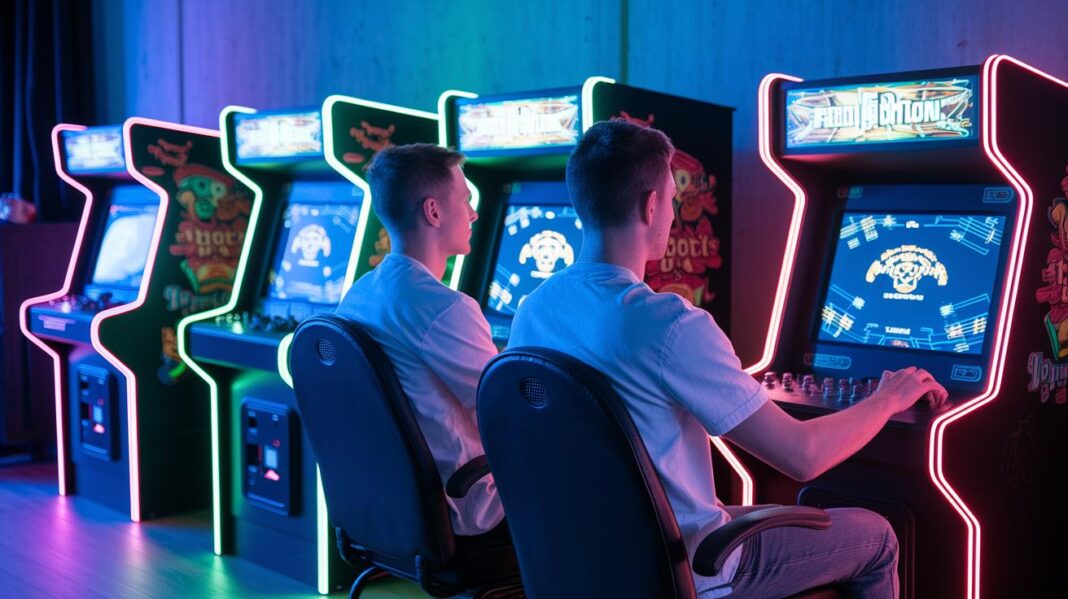

Ever thought about how gamer hubs turned strangers into close pals? Back in the day, gamers met up in living rooms, arcades, and dorm rooms, and that laid the groundwork for the lively online communities we know today.
Remember the thrill of that first console play or chatting back and forth on BBS boards? Those simple hangouts sparked a vibe of sharing and fun competition that changed our gaming world.
This post digs into how those early meetups left a lasting mark on our digital lives and still shape the way we connect over games.
Origins of Gamer Hubs: Pre-Internet Play Spaces
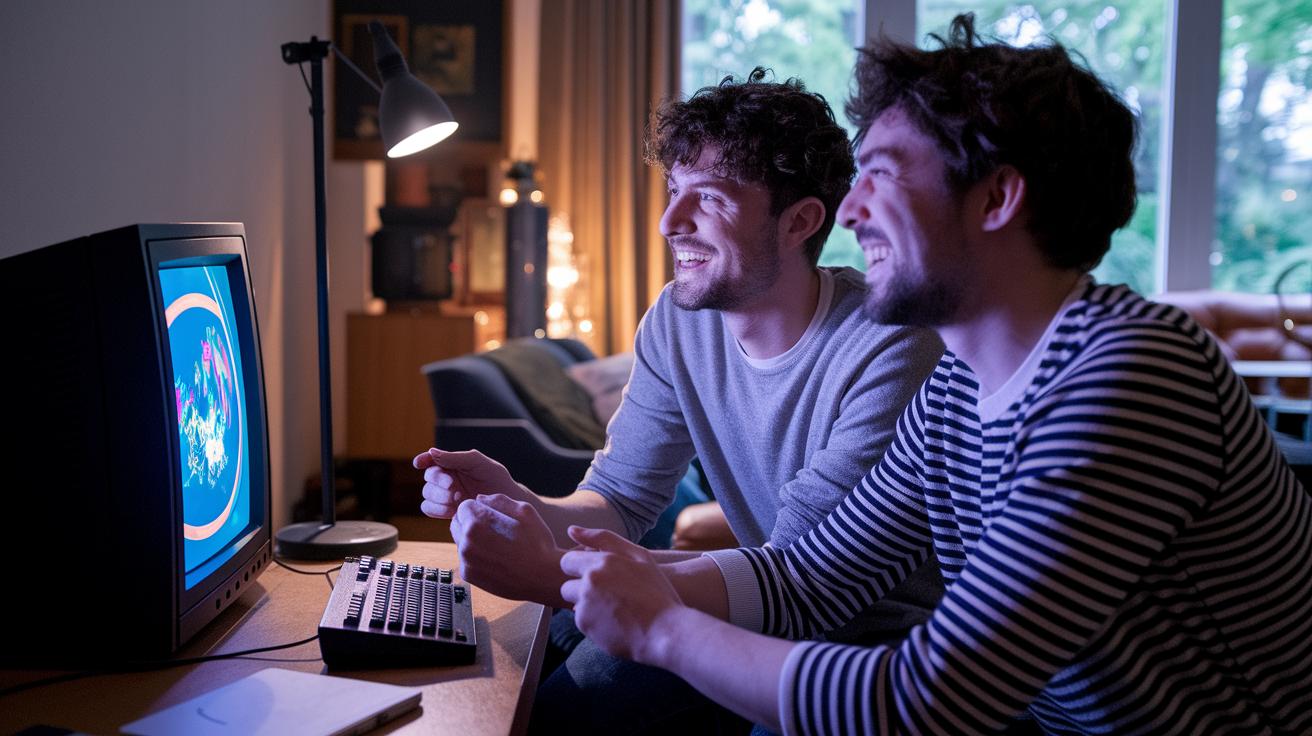
Before the internet was a thing, gaming was mostly a solo adventure. Back in the day, folks would gather in living rooms or college dorms to enjoy early “couch co-op” sessions. Imagine a group of buddies huddled around one console in the early 1970s, taking turns and laughing together.
Local arcades soon became a big deal when games like the Magnavox Odyssey and Atari’s Pong hit the scene. These spots weren't just about playing, they were where young gamers met up, ready for a fun challenge. You could almost feel the excitement buzzing as players lined up for their turn.
By the mid-1980s, North America had over 20,000 arcades, each one a hotspot for friendly rivalries and shared laughs. These vintage hubs paved the way for the community feel we enjoy in today’s online gaming worlds.
And let's not forget the college dorm LAN parties! Even with basic networks, computer enthusiasts connected their machines for multiplayer sessions. Those early gatherings laid the groundwork for the vibrant online gaming communities we know and love today.
Gamer Hubs Timeline: From BBS to Online Forums
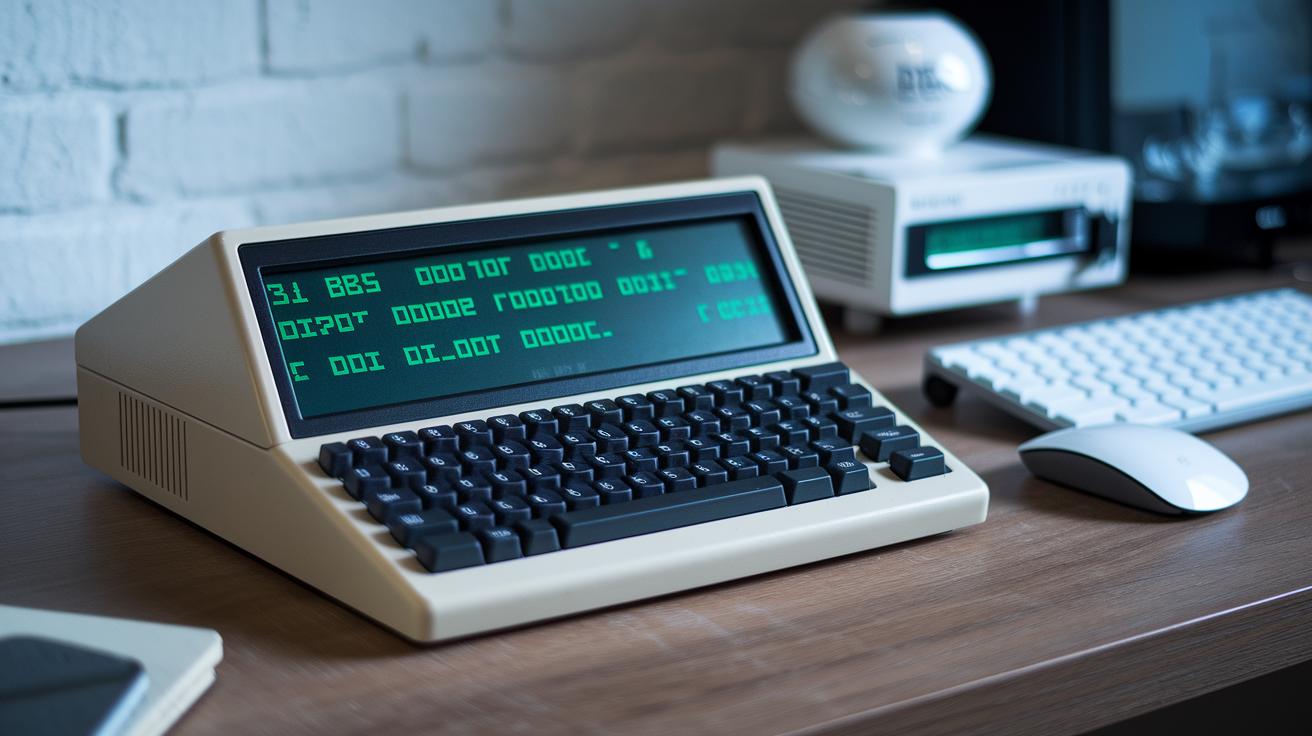
Before social media was a thing, gamers carved out their own corners on Bulletin Board Systems (BBS). Back in the late 1980s, places like CBBS (which actually launched in 1978) became the go-to spots where players dropped messages, traded tips, and hashed out game strategies. Ever think about how a simple text thread during dial-up days could ignite such lively chats? It's wild how it all started.
In the 1990s, the scene really evolved. Platforms like GameFAQs popped up in 1995 and quickly became a favorite hangout for gamers, especially those into text-based multiplayer games and MUDs (that’s Multi-User Dungeons, by the way, kind of like digital adventures). Even video game magazines got in on the action by linking to these early forums, making it super easy for readers to jump right into the conversation. It’s like taking your favorite game and tossing in a chat room where every tip counts.
By the turn of the millennium, online forums like Something Awful and IGN boards were buzzing with energy, drawing in around 100,000 active users each month. These digital meetups turned everyday banter into organized gatherings and laid the foundation for the vibrant gaming communities we know today.
Evolution of Gamer Hubs: Internet Cafes and LAN Parties
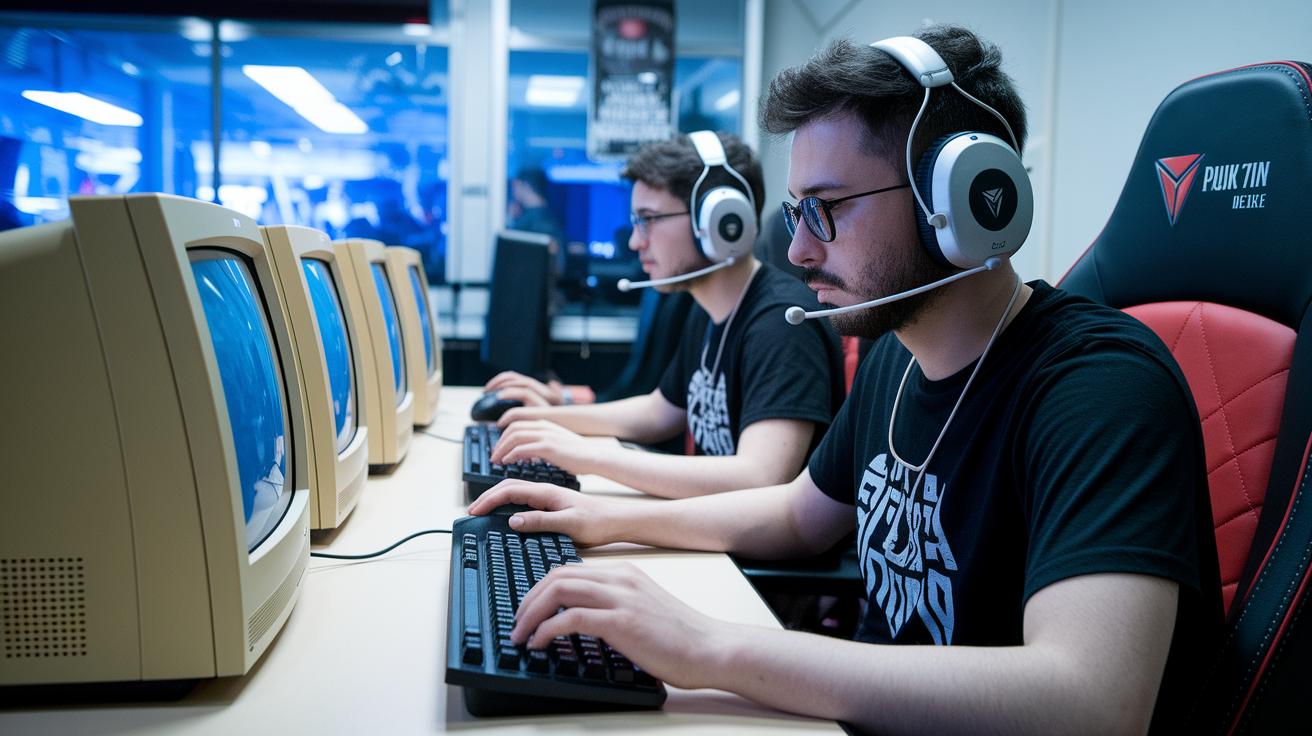
Back in the mid-1990s, gamers discovered a whole new hangout spot. In 1994, Singapore saw its very first internet cafe open up, where friends could sip coffee while getting online. Then over in South Korea, PC bangs lit up in 1998, mixing tasty brews with high-energy online play. These places weren’t just about coffee, they doubled as gaming dens with old-school 28.8 Kbps modems that made loading a website feel like waiting for a surprise. Imagine sitting there, watching that slow crawl and feeling a burst of excitement when the page finally popped up!
Around that same time, LAN parties began to take shape. In 1993, QuakeCon hosted the first LAN deathmatch, sparking real, face-to-face battles that turned simple gatherings into wild events. Games like Doom and Quake turned roomfuls of friends into spirited battlegrounds filled with cheers, playful taunts, and a few groans when things didn’t go as planned.
Fast forward to events like DreamHack Sweden in 2001, and you’ve got over 50,000 gamers coming together, a true celebration of gaming passion. These modern gamer hubs (gamer hub) merged top-notch equipment with comfy setups, transforming ordinary coffee stops into key parts of gaming culture. Each step in this evolution shows how tech and real-life connections power our gaming adventures.
Transformation of Gamer Hubs: Social Gaming Clubs and Online Communities
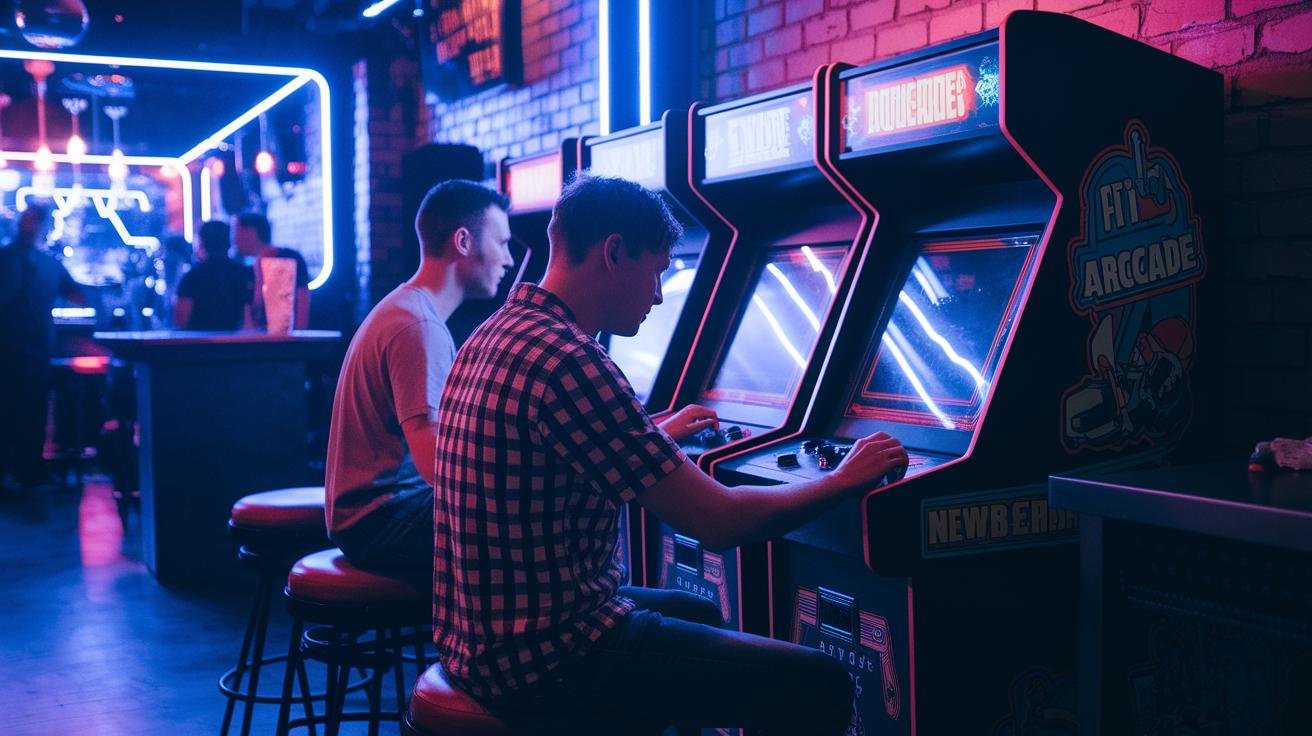
Back in the 2000s and 2010s, gamers started connecting in a whole new way, mixing online chats with real-life meet-ups. Sites like Newgrounds (launched in 2001) and NeoGAF (that buzzed into life in 2004) became the go-to spots for fans. They were where players swapped game tips, shared cool mods, and organized multiplayer sessions.
By 2005, cool bar-arcades like Level Up! in Dallas were hosting weekly tournaments. Imagine being in a cozy, dimly lit space with big screens, where every win felt epic and every cheer was like a mini celebration. It was like blending a casual hangout with a dedicated gaming event.
Then, around 2006, social media started shaking things up. Facebook Groups and platforms like Meetup.com gathered gamers for in-person sessions, where online strategies meshed perfectly with offline fun. And when Twitch launched in 2011, growing to 45 million monthly viewers by 2015, it turned everyday gameplay into a shared, exciting spectacle that brought streamers and fans even closer.
| Year | Milestone |
|---|---|
| 2001 | Newgrounds becomes a gamer hub |
| 2004 | NeoGAF kicks off the discussions |
| 2006 | Facebook Groups spark local meet-ups |
Local hangouts and themed venues truly became the heartbeat of this digital community. These blended experiences continue to shape how we connect and play today.
Gamer Hubs Evolution: Esports Arenas and Virtual Reality Zones
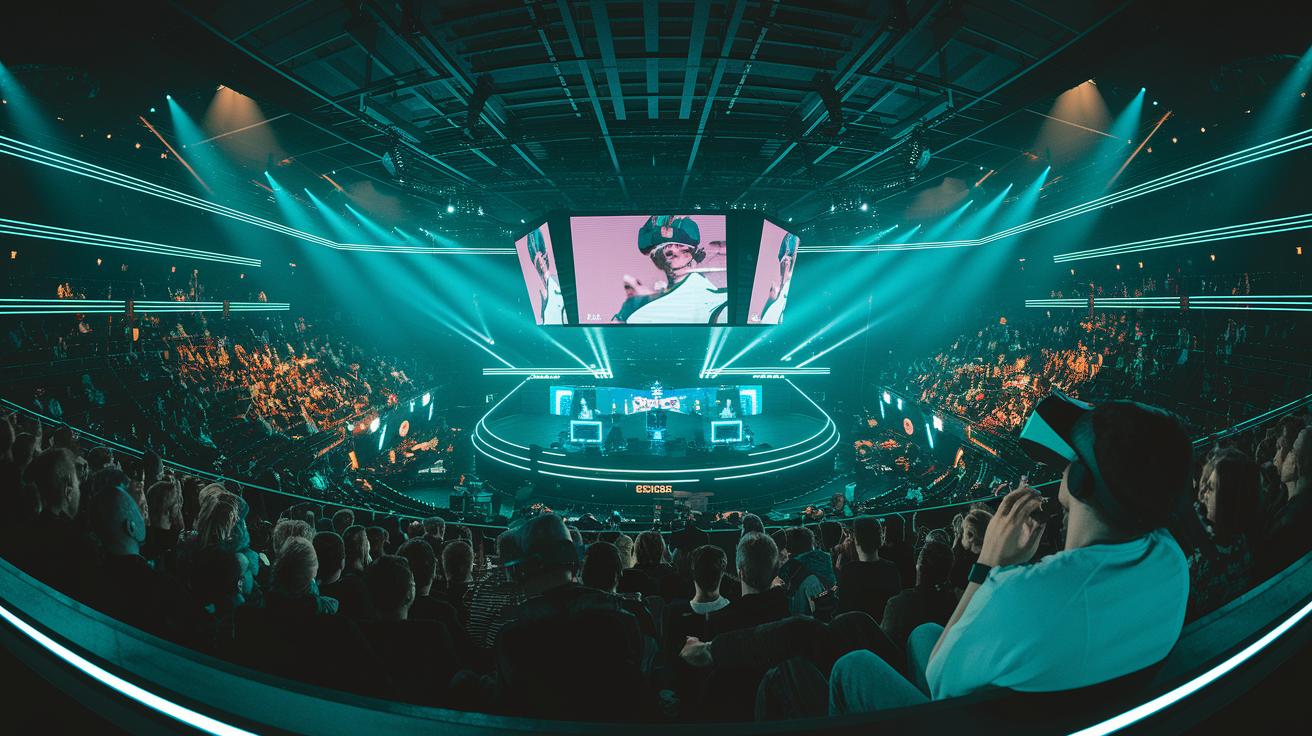
Back in the 2010s, gaming got a big upgrade with the rise of pro esports venues. Places like LCS Studio in 2013 and Riot Arena in 2015 turned competitive play into a live show. It wasn’t just about packing in crowds, it was about building an experience. Picture walking into a room with giant screens, the buzz of excited fans, and matchups that keep your heart racing. Fun fact: before these esports halls existed, gamers never thought their weekend sessions would turn into events cheered on by thousands.
At the same time, virtual reality started changing the way we play by adding a whole new level of immersion. The VR arcade pioneer, The Void, launched its main hub in 2016 and quickly spread to over 50 locations around the globe by 2019. These centers delivered hands-on, lifelike experiences that blurred the line between gaming and the real world. And then came cloud gaming, Google Stadia made its debut in 2019 and opened the door to flexible setups with cool rigs like Stadia and GeForce Now, bringing top-notch gaming right to you.
By 2020 and beyond, private gaming suites and VR pods became a common sight in top gaming hubs. Many of these spots even showcase augmented reality demos that add a fresh twist to the experience. All these innovations show just how far we’ve come, from basic play zones to high-tech arenas that keep our gaming passion alive.
Final Words
In the action, we traced how local arcade play moved from simple pre-digital gatherings to lively online communities. We saw bulletin boards, Internet cafes, and even esports arenas shaping the way gamers connect. Each phase built on the last, adding layers to what our community enjoys today.
This quick recap shows the rich history of gamer hubs, reminding us that every step forward brings new excitement and endless potential.
FAQ
What is the history of gamer hubs according to Wikipedia, timeline, and 2022 records?
The history of gamer hubs shows their evolution from local arcades and college dorm LANs to modern online communities, reflecting how physical spaces evolved into digital meeting areas for players.
What is the timeline for video games, their overall history, and game design?
The timeline of video games starts with simple experiments and arcade classics, gradually evolving into intricate game design and massive digital communities, marking clear milestones in interactive entertainment.
What were the earliest gaming systems and video games?
The earliest gaming systems feature early experiments like the cathode-ray tube amusement device, Tennis for Two, and Computer Space, with the first home console being the Magnavox Odyssey and classics like Pong setting the pace.
What game took 15 years to make?
Duke Nukem Forever is known for its lengthy development, taking approximately 15 years to complete and generating huge buzz despite mixed reviews upon its eventual release.
What happened in 1985 in the video game industry?
In 1985, the video game industry blossomed with a surge in arcades—over 20,000 in North America—and the rise of home consoles that redefined interactive play, marking a pivotal year in gaming history.
What is the purpose of the gaming hub?
The purpose of a gaming hub is to serve as a gathering spot where players meet, share tips, and enjoy communal play, blending local meet-ups with online community interactions.
What early video games and devices helped shape modern gaming?
Early innovations like Tennis for Two, Spacewar!, Bertie the Brain, the cathode-ray tube amusement device, Pong, and Computer Space laid the foundation for modern gaming by engaging early enthusiasts with novel interactive experiences.