


Ever think enemies might be accidentally giving away their next move? Picture this: you spot the tiniest twitch or catch a faint sound hint that it's time for a counterattack. This guide helps you pick up on those little signals so you can outsmart your opponent. By keeping an eye on enemy patterns in both visuals and sound, you'll turn wild battles into clever plays. Ready to see enemy moves in a whole new light and boost your gameplay?
Decoding Enemy Pattern Signals for Precision Counterplay
Reading enemy moves is the heart of smart game tactics. You learn to catch hints, like a fighter changing stance or a faint sound cue, that tell you what's coming. In a boss battle, when the boss pauses for a warning cry, that's your chance to act. Kind of like that surprising fact about Marie Curie carrying radioactive test tubes before she knew any better. In games, these little details help you know when to dodge or block, setting you up for cool counterattacks.
The signals come through many channels, visuals, sounds, and even a little buzz from your controller. When you see a pre-attack animation, it's like a mini countdown before the enemy strikes. Picture an enemy lifting their weapon ever so slightly; that's your cue to avoid the hit. Voice sounds and controller vibrations work together to say, "Get ready!" This mix of hints helps keep the game both fair and exciting.
Noticing these signals lets you react quickly and make smart choices on the fly. When an enemy freezes mid-attack, you know it's time to sidestep or hit back hard. These split-second choices make all the difference in keeping control during a brawl. Paying attention like this turns chaos into a neat, controlled scramble, where knowing what to do next is what separates the champs from the rest.
Telegraphing and Pre-Attack Animations in Enemy Pattern Interpretation

Pre-attack animations aren’t just a simple pause before an enemy strikes, they drop little clues that help you see their next move. A quick twitch, a slight shift in stance, or even a faint sound or vibration can let you know not only when to jump in but also how to change up your strategy for that specific enemy pattern. Think about an enemy who tilts its head ever so slightly before swinging; that tiny move gives you a split-second edge to respond just right.
This approach adds extra layers to the usual warning signs by blending visual and audio hints. Instead of relying on one simple signal, you get a mix that deepens your understanding of the foe’s intended attack, making every encounter feel more like a well-planned strategy session.
Pre-Attack Animation Delay
Animation delays open up a clear window to dodge, block, or counterattack. It’s like that brief moment when an enemy shows a tiny shoulder jerk before a big swing, it gives you just the time you need to plan your next move.
Multi-Sensory Telegraphing Cues
Combining audio, visuals, and even a bit of controller vibration offers a fresh way to read enemy patterns. Imagine hearing a low-tone sound paired with a quick flash or light rumble, it’s almost like a secret signal for an upcoming attack. These mixed cues make it easier to guess what’s coming next, giving you that extra insight to stay one step ahead.
Movement Pattern Mapping and Predictive Analysis
When you're playing games like Counter-Strike 2, keeping an eye on enemy paths is super important. Notice where foes keep popping up so you can build a clear picture of their usual approaches. Write down these habits, and you'll know which spots get crowded quickly, letting you get ready for a surprise attack. For example, if the enemy team always goes the same way, you can plan a move to block them and take charge.
Figuring out how fast your opponents move and where they position themselves gives you clues about what they’re planning. A slow, sneaky move might be a decoy or a hidden attack setup, while a fast burst could signal a rush. These little hints help you decide if someone's trying to trick you or catch you off guard.
By putting all these clues together, you can guess where the enemy might come from next. Watching for repeated peeking or steady side-to-side moves gives you a real edge. Even small actions add up to a clearer signal, letting you plan a quick counter and always stay one step ahead in the heat of battle.
Implementing Strategic Counterplay Techniques

Ever notice when your enemy keeps doing the same thing? Having reliable counter moves can totally change your game. When you spot their clear attack signals, you can block or parry at just the right moment, flipping their strength against them. Not only does this keep you safe, but it also opens up chances for a counterattack that can really shift the match. Even small shifts, like moving to a new spot after noticing repeated enemy moves, can give you a cool edge.
Flexibility is key during any heated battle. Quick changes in your tactics can throw off your opponent and push them into mistakes. A handful of solid moves can turn a defensive moment into a real chance to take charge. Check out these neat counterplay tricks:
- Block or parry their predictable strikes.
- Reposition to the side when enemies keep coming from the same angle.
- Use area moves to break up their flow.
- Switch items or gear on the fly to counter their hero setup.
- Throw in decoys or feints to send them the wrong signal.
- Control zones before they even move in.
- Rotate rapidly to exploit any weak spots.
Mixing these strategies into your game plan means you're always set to adapt. As enemy patterns change mid-match, pairing these moves with solid team chat and a sharp eye on the battle turns reactive play into a winning tactic.
Cross-Genre Case Study: Countering Enemy Patterns
When you jump into different game types, you start noticing enemy patterns. In MOBAs, for example, a duo like Luna and Lion early on can mean an aggressive push is coming your way. In FPS battles, if you see enemies always peeking or sticking to one lane, they might be planning a flank attack. Boss fights are cool too, they drop vocal hints before big moves. And in RTS games, if you spot a nonstop rush of units, expect an all-out attack. Spotting these clues lets you pick the right counter move at just the right moment.
| Game Genre | Enemy Pattern Example | Counter Technique |
|---|---|---|
| MOBAs | Early hero combos like Luna + Lion signaling an aggressive push | Get early wards and focus on key targets |
| FPS | Repeated peeking or favorite lane choices hinting at flanks | Reposition and set up ambushes |
| Boss Fights | Vocal hints before heavy attacks | Dodge or counter right during those cues |
| RTS | Steady waves of unit production signaling a rush | Deploy area defenses and target key units |
Seeing these patterns in action helps you pick up on an enemy's next move. The more you practice reading these cues, the quicker you can switch tactics, whether it's dodging a punch or changing your position mid-match. Every game turns into a fun challenge where a smart, timely counter can really make all the difference.
Fine-Tuning Tactics with Real-Time Feedback and Team Communication
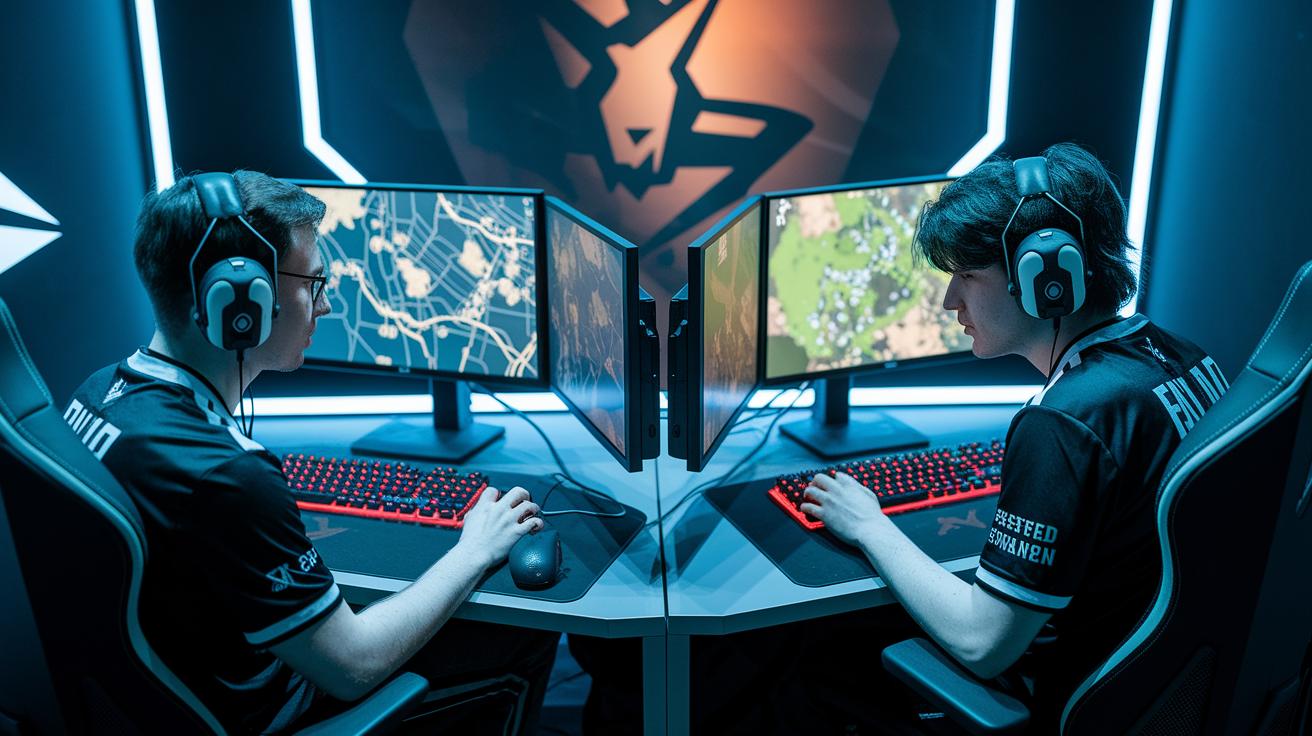
In every match, staying alert and knowing where your teammates are is key. When you keep an eye on all parts of the map, you catch unseen threats and sudden enemy moves as they happen. Noticing when opponents overstep or change tactics, like setting up wards or flanking, gives you clues to tweak your battle plan.
Mixing sharp observation with your gut instinct lets you adapt on the fly. When you see odd patterns or sneaky movements, trust that feeling and reposition fast to set up a counterattack. This blend of quick data collection and instinct lets you shift from a defensive stance to an aggressive move in no time.
Chatting with your teammates using quick, clear calls boosts your whole strategy. Sharing tips about enemy spots and surprises messes up their plans and opens up safe chances to attack. Good communication means everyone knows what’s happening, turning small pauses into strong, coordinated strikes.
Final Words
in the action, we broke down how reading enemy moves can sharpen your gameplay. We covered clear signals, pre-attack visuals, sound cues, and even force feedback to help you spot openings. Next, we explored movement mapping to predict opponents' patterns and tested counterplay tactics in real match scenarios. This strategy guide for interpreting and countering enemy patterns in games shows that smart observation and quick moves transform frustrating fights into chances for win. Keep at it and let each match fuel your progress!
FAQ
Q: What does video game enemy design entail, especially for FPS and RPG games?
A: Video game enemy design focuses on using clear cues like visuals, sound, and pre-attack animations. FPS and RPG designs rely on these signals so players can predict attacks and adapt their tactics.
Q: What is the best strategy guide for interpreting and countering enemy patterns in games?
A: The best strategy guide highlights reading enemy signals from animations, audio cues, and haptics. This method helps players react, block, and counter enemy attacks with smarter moves under pressure.
Q: What are some game feel tips and examples in enemy design?
A: Game feel tips include timing animations and audio cues to build anticipation before an attack. For example, bosses often use vocal hints before striking, which makes combat feel more engaging and clear.
Q: What are the main enemy types in gaming?
A: Main enemy types include standard foes, challenging mini-bosses, and unique boss characters. Each type sends distinct signals and uses different attack patterns, giving players various challenges to overcome.
Q: What role do game design skills blogs play in understanding enemy design?
A: Game design skills blogs share practical insights and techniques on using enemy signals effectively. They offer useful tips and real-world examples that help both designers and players grasp the nuances of combat cues.
tadalafil online cheap
tadalafil online cheap
cenforce 50 review
cenforce 50 review
orlistat aafp
orlistat aafp
loperamide large quantity
loperamide large quantity
buy udenafil online
buy udenafil online
dapoxetine interactions
dapoxetine interactions
fincar 5mg substitute
fincar 5mg substitute
ozempic semaglutide bijwerkingen
ozempic semaglutide bijwerkingen
semaglutid naturlig i mat
semaglutid naturlig i mat
minoxidil mood swings
minoxidil mood swings
metronidazole side effects in cats
metronidazole side effects in cats
metronidazole side effects yeast infection
metronidazole side effects yeast infection
does acyclovir side effects
does acyclovir side effects
bupropion xl 300 mg
bupropion xl 300 mg
toradol nsaid overview
toradol nsaid overview
how minoxidil works
how minoxidil works
minoxidil cyp metabolism
minoxidil cyp metabolism
medical review procedures
medical review procedures
tadalafil reference guide
tadalafil reference guide