
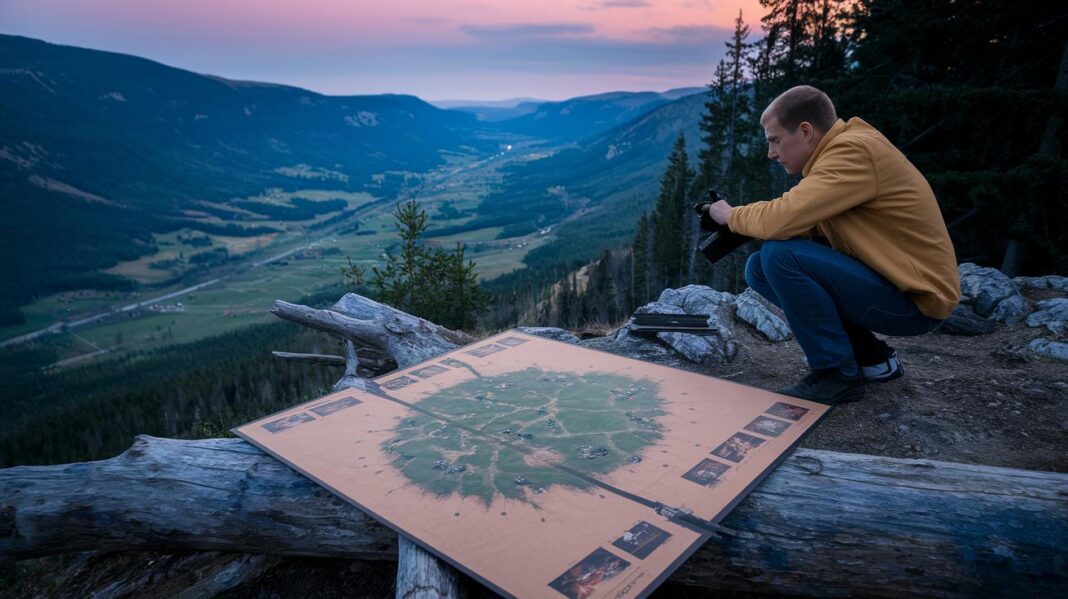

Ever wonder if that rocky hill in your game might be your secret weapon against rivals?
Most players skip over these simple map features, but they can really tip the scales in your favor when used smartly.
This guide shows you how hills, trees, and tight passages can boost your defense and set up surprise attacks.
A little planning and some clever moves can help you catch your enemies off guard, even when the odds are against you.
So, ready to see how you can turn your game world into a powerful ally?
Terrain Advantage Fundamentals for Video Game Battles
Terrain can really change the course of a video game battle. Think of rocks, trees, and craters as hidden strengths that you can use to your benefit. When you smartly turn these obstacles into safe spots or barriers, you’re showing off the skill that sets expert players apart from the rest.
Key tricks on the battlefield include elevation, cover, and chokepoints. Taking the high ground lets you see more of the field and pushes your opponents into tougher spots. Natural cover like thick trees or rocky outcrops gives your units a place to hide. And chokepoints? They slow down your enemies by trapping them in narrow spaces, making it easier to plan a solid attack.
Mastering the terrain is a must for anyone looking to dominate digital combat. When you read the battlefield right, you can set up surprise strikes, secure better positions, and even make a safe getaway if needed. In a nutshell, every hill, barrier, or narrow pass can become your secret weapon, turning every skirmish into a win.
Systematic Survey and Analysis of Virtual Battlegrounds

Before you dive into a fight, take a moment to really check out the map. Scoping out the field, like when you're planning a raid with friends, can give you an edge later on. It helps you spot hidden slopes, natural barriers, and enemy spots that might otherwise go unnoticed. When you get these clues early, you're set to change tactics on the fly and keep the upper hand.
- initial scan – Give the map a quick once-over so you know what you’re dealing with.
- slope mapping – Look at the angles and inclines; they can show you where moving around could be tricky.
- obstacle marking – Jot down big barriers like trees or debris that might slow you down or block you.
- enemy sightline check – Pinpoint spots where foes might have clear views to catch you off guard.
- route marking – Plan out safe paths that boost your strategy while keeping risk low.
Mixing these steps into your battle plan paves the way for clever positioning and smart real-time moves. When you balance slope mapping, obstacle spotting, and watching for enemy angles, you can coordinate unit moves and set up perfect ambushes. This way, every encounter finds you ready, keeping your opponents guessing at every turn.
Maximizing High Ground and Elevation Benefits in Gameplay
Taking control of high ground really flips the script on your opponents. When you move your units up high, you suddenly’ve got a secret angle to hit enemies, they don’t see it coming. It’s like turning your spot into a sniper nest where your units rain down fire from above. Picture those long-range units positioned on a hill, calmly picking off foes while they scramble for cover.
Being elevated also boosts your view. From up high, you catch enemy moves way earlier, giving you the upper hand. This forces your rivals to react on the fly while every attack feels like a well-planned, boss-level strike.
But high ground isn’t just great for attacking. It works as a shield during defense too. Standing tall lets your troops use natural cover so enemy shots miss more often. It’s like having a crystal clear preview of their moves, letting you counter with slick follow-ups. With that trusted view from above, your units can quickly reposition to keep solid defenses, making every battle a showcase of smart strategy.
Cover, Concealment, and Line-of-Sight Blocking Tactics
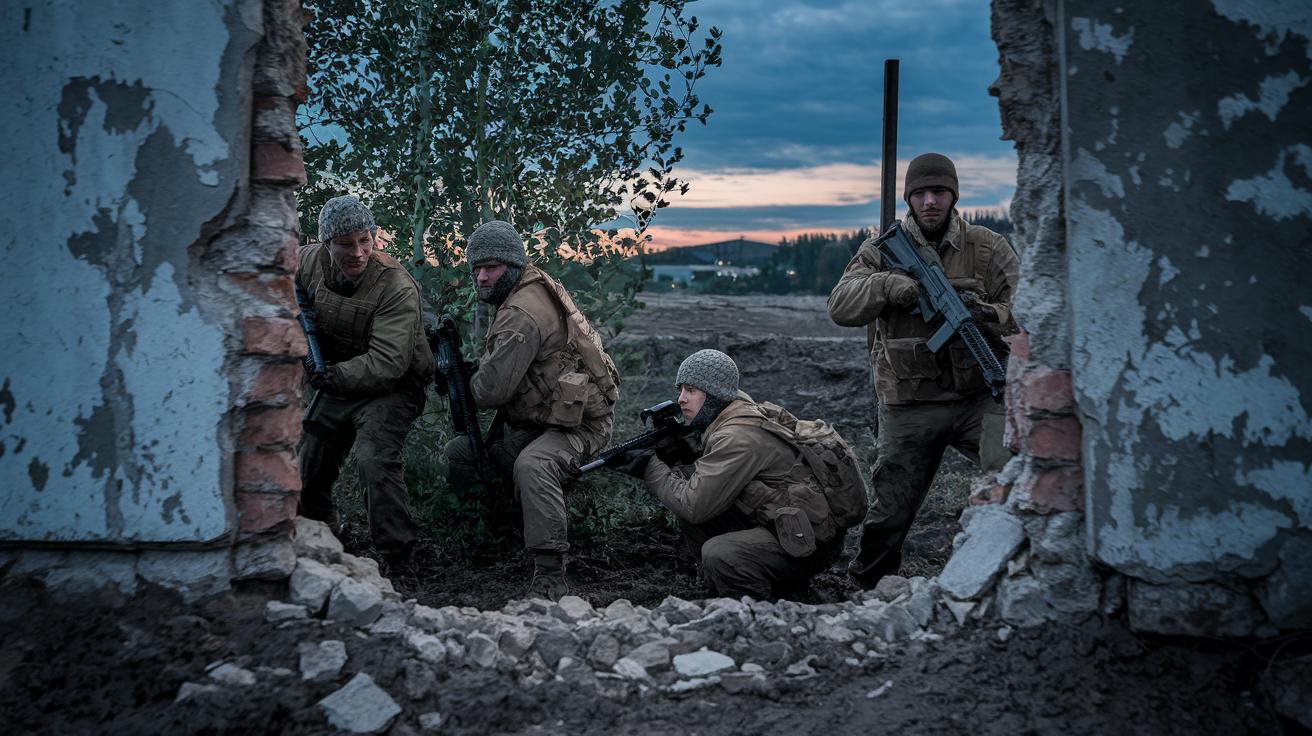
In many games, using cover means taking advantage of the map to hide your team and block enemy shots. Think of ruins, forests, barricades, and piles of rubble; these spots not only shield your forces but also mess with what your opponent can see. Picture your squad ducking behind a crumbling wall while enemy scouts struggle to get a clear view. That smart use of cover can be the tipping point between dodging damage or getting caught off guard.
| Terrain Feature | Tactical Benefit |
|---|---|
| Ruins | Blocks enemy view for ambush opportunities |
| Forests | Provides natural concealment for surprise attacks |
| Barricades | Boosts defense rolls and absorbs enemy fire |
| Rubble | Slows enemy advances while masking unit positions |
Mixing cover with quick moves brings an extra layer to your game plan. It’s not just about holding a spot; it’s about smartly shifting gears between defense and offense. For example, switching from a ruined facade to a dense forest can throw off your opponent’s aim, making it tricky for them to track your squad. Combining different cover spots with agile repositioning keeps the enemy guessing and opens up cool new angles for surprise attacks.
Chokepoint Control and Area Denial Strategies
Imagine luring your enemies into a tight hallway where they have to stick together. When they crowd into a small space, you can take them out one by one. This trick even shows you which enemy types don’t match up well, making your counter-attacks much stronger. Picture a narrow corridor where only a few units can move at once, this makes a perfect trap for your team.
Now, think about stepping it up with denial zones. Here, you set up traps and simple defenses to stop foes from reaching the most important parts of the map. By controlling these small passageways, you slow them down and force them to change their game plan. This keeps you ahead during the whole battle.
| Tactics |
|---|
| Blocking routes |
| Timed traps |
| Ranged overwatch |
| Terrain-collapse illusions |
Flanking, Ambushes, and Dynamic Terrain Adaptation
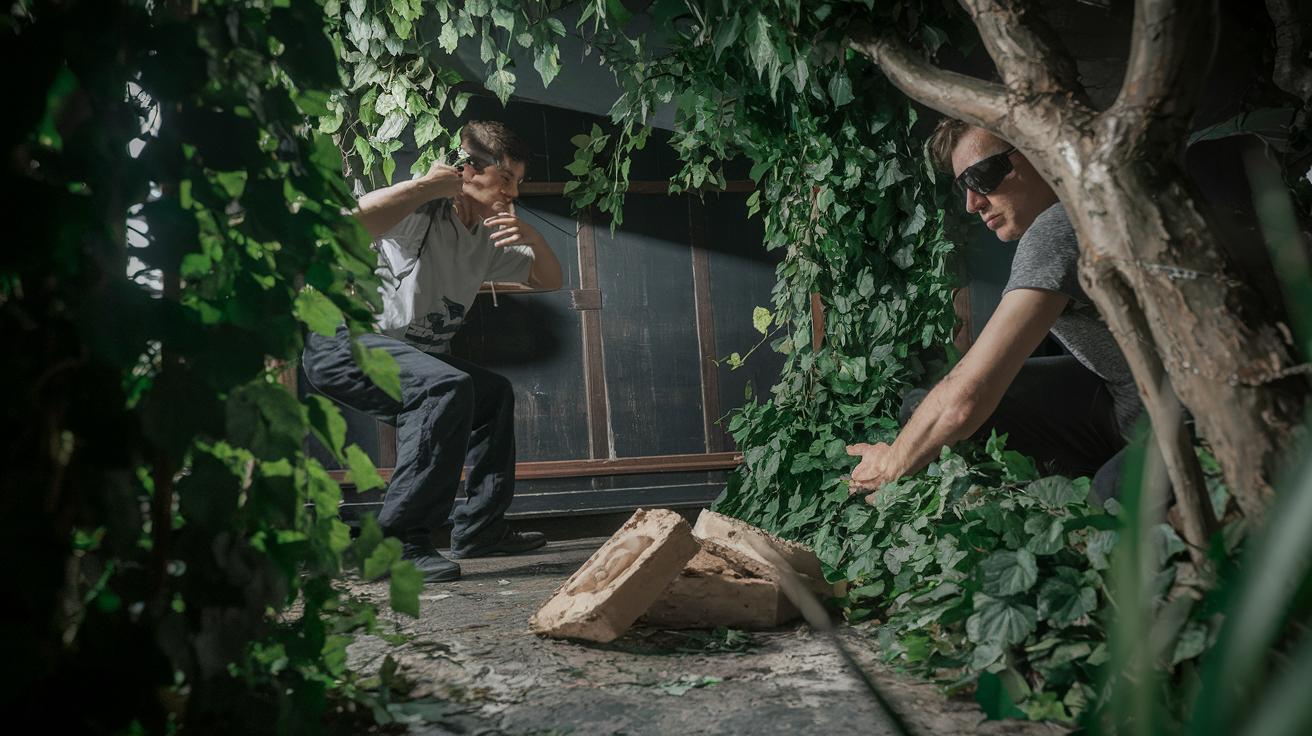
When the action heats up, you need to stay on your toes to outsmart your foes. Quickly reading the terrain means you can always be one step ahead. Smart gamers use natural cover and obstacles to lure their opponents into traps, turning a plain map into a playground for clever surprises. Shifting your position, switching up your tactics mid-fight, and squeezing every advantage from the battlefield can really shake up your enemy's plans.
• Flanking Paths: Use the edges of the map to sneak behind enemy lines.
• Hide-and-Strike Spots: Find thick cover, like dense trees or urban rubble, and jump out when they least expect it.
• Decoy Zones: Set up fake moves in busy areas to pull enemy attention away from your real target.
• Safe Retreat Routes: Use natural barriers to pull back and regroup when things get too hot.
• Surprise Comeback Routes: Re-enter the fray from odd angles to catch your foes by surprise.
Timing is everything. A sudden move or a perfectly timed ambush can force your opponent to rush decisions and reveal weak spots. Plan your flanks and adjust your strategy on the fly, and you're setting yourself up to strike hard while keeping risks low. Every smart move builds a rhythm that keeps the enemy guessing, making adaptability your best weapon on the battlefield.
Advanced Positioning and Unit Roles in Complex Maps
Support roles are like the sturdy shields in a great game plan. Imagine them as trusty fullbacks who stick with the team and cover their friends from enemy strikes. They follow the crew and watch the weak spots, letting the bold units really focus on the fight. This smart setup not only cuts down losses but also paves the way for non-stop, smooth attacks. It's all about clever placement that keeps the action rolling.
Artillery placement takes some careful thinking. When you set your cannons where nature itself blocks enemy shots, you force your opponents into tight corners. This tactic, where a skilled team watches over their own heavy hitters, is all about planning ahead and being super precise. Picture your units lined up behind natural walls, ready to deal big damage while keeping themselves safe from quick counterattacks. This approach perfectly mixes solid defense with explosive firepower.
Bringing different unit moves together really ties the strategy up. Coordinating the shifts, like getting the fullbacks in position before the final charge, creates a flow that's hard to beat. When everyone moves together, they can spot weak links and use the terrain to flip the battle in their favor. Each well-timed move builds on the previous one, making every position count and keeping constant pressure on the enemy.
Final Words
In the action, the blog breaks down crucial terrain fundamentals like sightlines from high ground, cover tactics, chokepoint control, and adaptive flanking moves. It shows how careful map analysis leads to better battle plans and stronger unit positioning.
This strategic guide to leveraging terrain advantages in video game battles leaves us with clear, practical tactics. Embrace these ideas to boost your play, and keep the positive momentum rolling as you refine your digital warfare ground tactics. Enjoy leveling up your skills!
FAQ
How is terrain used in military strategy, how does it affect battles, and why is it important?
The role of terrain in military strategy is to shape battle outcomes by providing key advantages like high ground, cover, and chokepoints. It boosts both offensive and defensive maneuvers in combat.
What are strategic games with an example?
Strategic games are titles that require planning based on spatial factors. For example, Warhammer 40k turns terrain features into tactical assets, using elevation and chokepoints to drive engaging gameplay.