
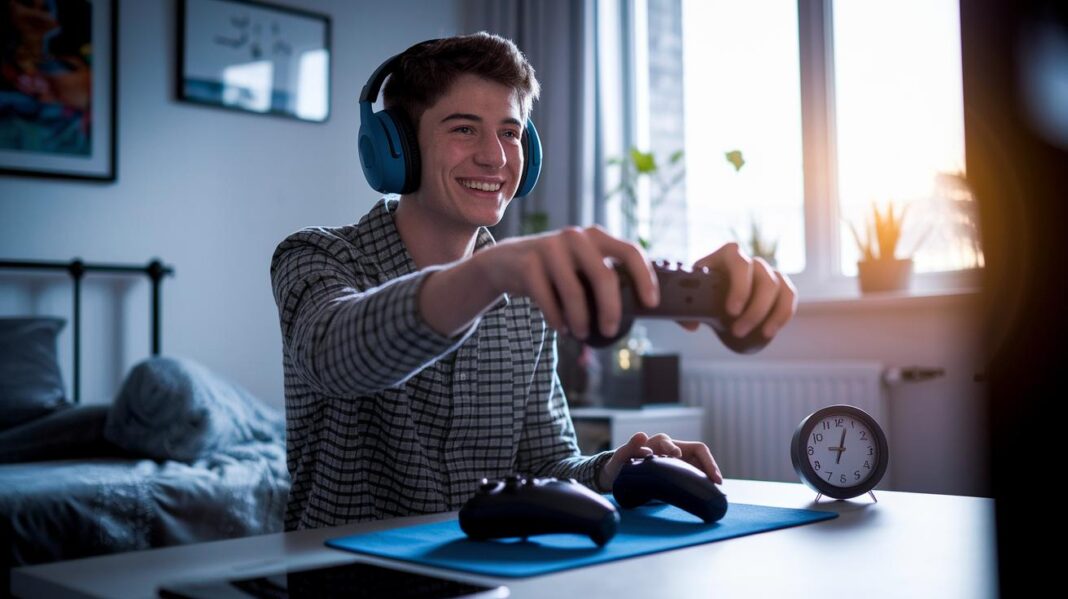

Ever wonder if your game is stealing your time? When gaming starts nudging homework, family meals, or even sleep aside, it might be more than just a fun distraction. Studies show that too much play can throw your life off balance.
But here’s the cool part, you can still game while keeping life in check. A bit of planning and some well-timed breaks can help you keep your routine running smoothly. This piece breaks down the warning signs of gaming taking over and shares tips to help you stay balanced and enjoy every win.
Defining Gaming Addiction: Scope and Impact
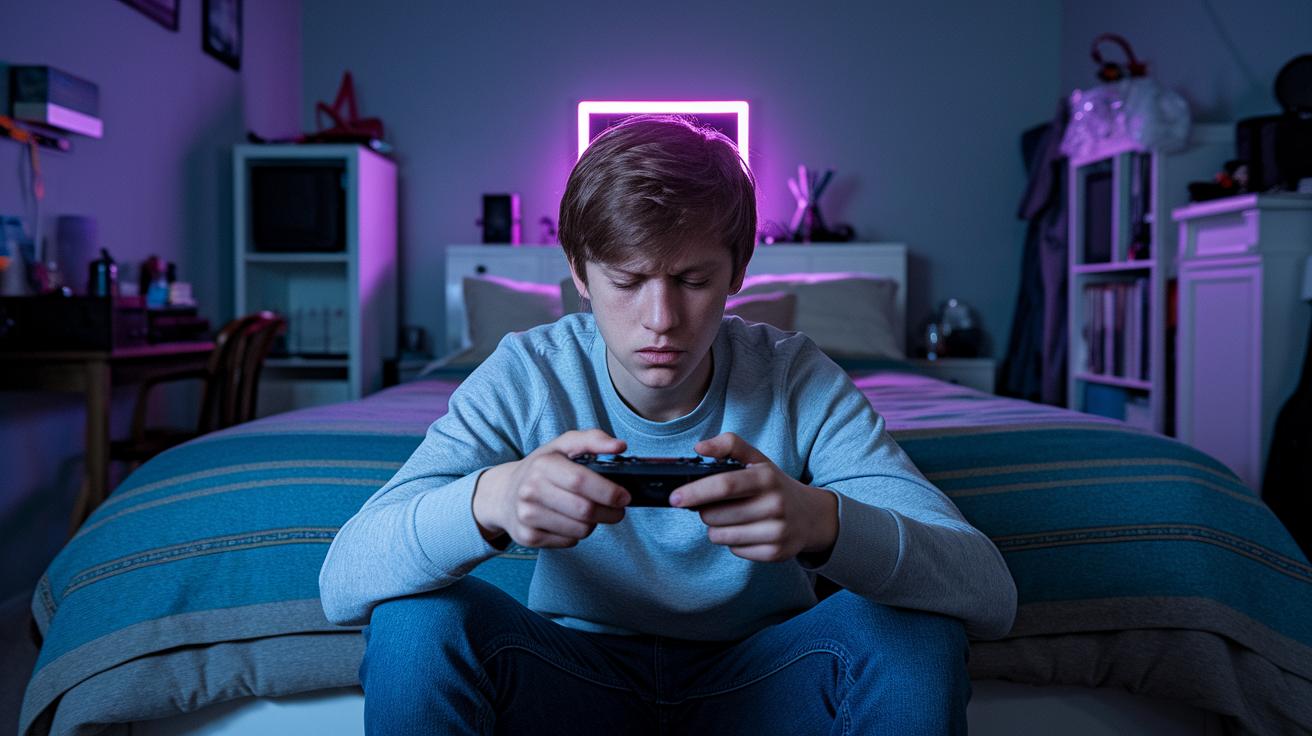
Gaming addiction is a real issue backed by lots of research and clinical studies. In 2018, the World Health Organization added gaming disorder to the ICD-11. Basically, when your favorite online game starts messing with your daily routine, like work, school, or hanging out with friends, it’s not just fun anymore.
About 85% of U.S. teens play video games regularly. But when gaming shifts from a chill pastime to a need that pushes other parts of life aside, it becomes a real problem. The DSM-5-TR even flags Internet Gaming Disorder as something that needs more study, which means too much screen time can actually do harm.
We use terms like gaming addiction or virtual game disorder to describe these severe habits. Just picture a teen who skips homework and dinner just to keep gaming, this isn’t just passion for play; it’s losing control. Think of it like this: loving a game so much that you forget about all your other responsibilities. When that urge to game takes over every part of your life, it’s a clear sign of a serious concern that needs attention.
Key Signs and Symptoms of Gaming Addiction
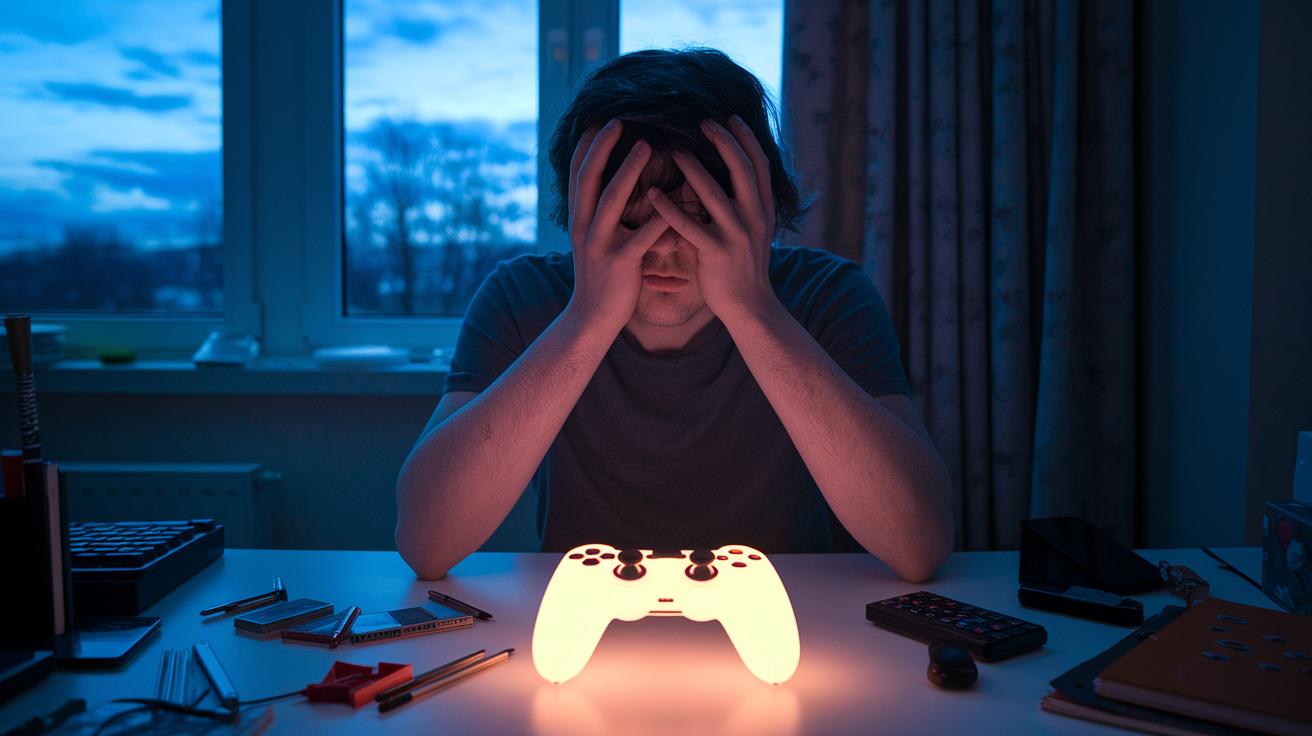
Gaming addiction can sneak up on you, slowly taking over your day-to-day life. Noticing these signs is your first step toward regaining control and setting up healthier gaming habits.
Here are eight clear signposts that things might be getting out of balance:
-
You’re always thinking about gaming – Even at meals, work, or class, your mind drifts to your next play session (like you can’t help but daydream about gearing up for another game).
-
Old hobbies lose their charm – Activities you used to enjoy just don’t seem as fun because gaming has become the main event.
-
More time is needed for the same rush – Over time, playing for longer periods is necessary just to hit that same level of excitement.
-
Cutting back is harder than you thought – You might promise yourself you'll game less, but those plans never really stick.
-
Gaming becomes your escape – When stress or negative feelings pile up, you dive into games to forget about it all.
-
Responsibilities take the back seat – Important tasks like school, work, or chores start to slip when gaming becomes the priority.
-
Friends and family suffer – Constant gaming might spark arguments or even pull you away from the people you care about.
-
Feeling edgy when not playing – When you step away from the game, you end up feeling unusually irritable or restless.
These signs are like a heads-up that balancing your gaming and real life might need a bit more attention.
Gaming Addiction: Embrace Balanced Living
Social Interaction and Community Needs
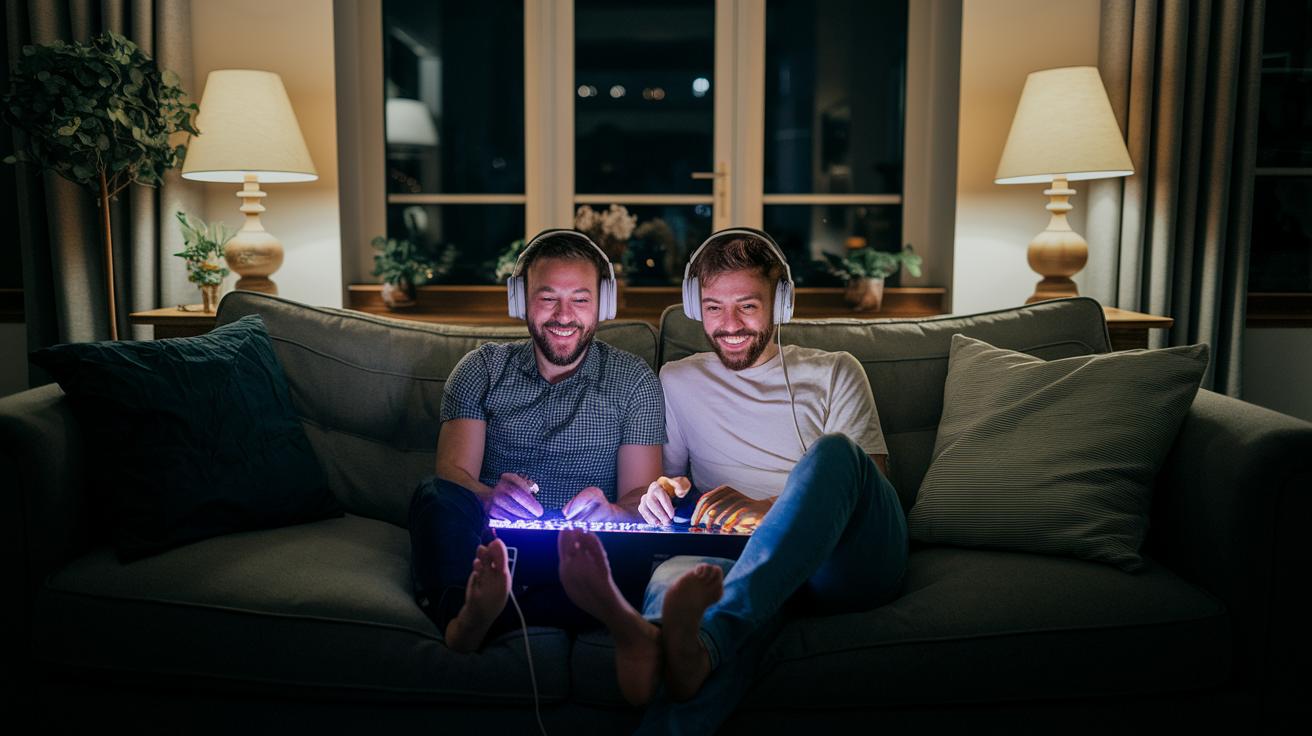
Online hangouts and multiplayer games often feel like that go-to spot where you really click with others. You might find yourself choosing a virtual buddy session over a chat in real life because these environments hit a social need. Imagine logging in not just for the game, but to hang out with friends who totally get your gaming moves. This can make real-world time shrink, slowly nudging you toward more screen time.
Reward Systems and Game Mechanics
Modern games love to treat us with points, badges, and loot drops that give a quick buzz of satisfaction. It’s like snagging a power-up that makes you crave another win. Ever heard a gamer say waiting for a loot drop felt like watching the next episode of their favorite show? These reward tricks work hard to hide the warning signs and can make taking a break really tough.
Psychological Predispositions and Genetic Factors
For some, gaming becomes the escape route when life feels heavy, like dealing with anxiety or depression. When you mix that with natural impulsiveness or traits like ADHD, it’s even harder to pull away from the game screen. Starting young can also set you on a path where gaming becomes a constant companion. All these factors build up over time, making it a real challenge to keep life balanced, yet it’s a goal worth chasing.
Effects of Gaming Addiction on Health and Well-Being

Gaming too much can really take a toll on your body. Sitting in one spot for hours makes your heart weaker and your muscles stiff. Your eyes get tired from staring at the screen constantly, which often leads to headaches. Plus, long gaming sessions can pile on extra weight and cause neck and back pain. You know that feeling when you get so stiff after an all-night play that even standing up feels tough? That’s what too much gaming can do.
It isn’t just your body that suffers, your mind takes a hit, too. Spending endless hours gaming might leave you feeling more aggressive, anxious, or even really down. Poor sleep, which is common when you’re gaming non-stop, only makes everyday challenges feel even harder. Studies show that long play times can mess with the parts of your brain that help you control your impulses, leading you to make rash choices. Ever catch yourself struggling to think straight after a prolonged session? That’s a sign your brain needs a break.
Your social life and work can feel the impact as well. Consistently ignoring responsibilities hurts your productivity, and being absorbed in the game can distance you from friends and family. Even simple face-to-face chats may start to feel awkward when all your attention is on the screen. Finding a balance is key so that gaming stays fun and doesn’t start causing real problems in your daily life.
Diagnosing Gaming Addiction: Criteria and Assessment Tools
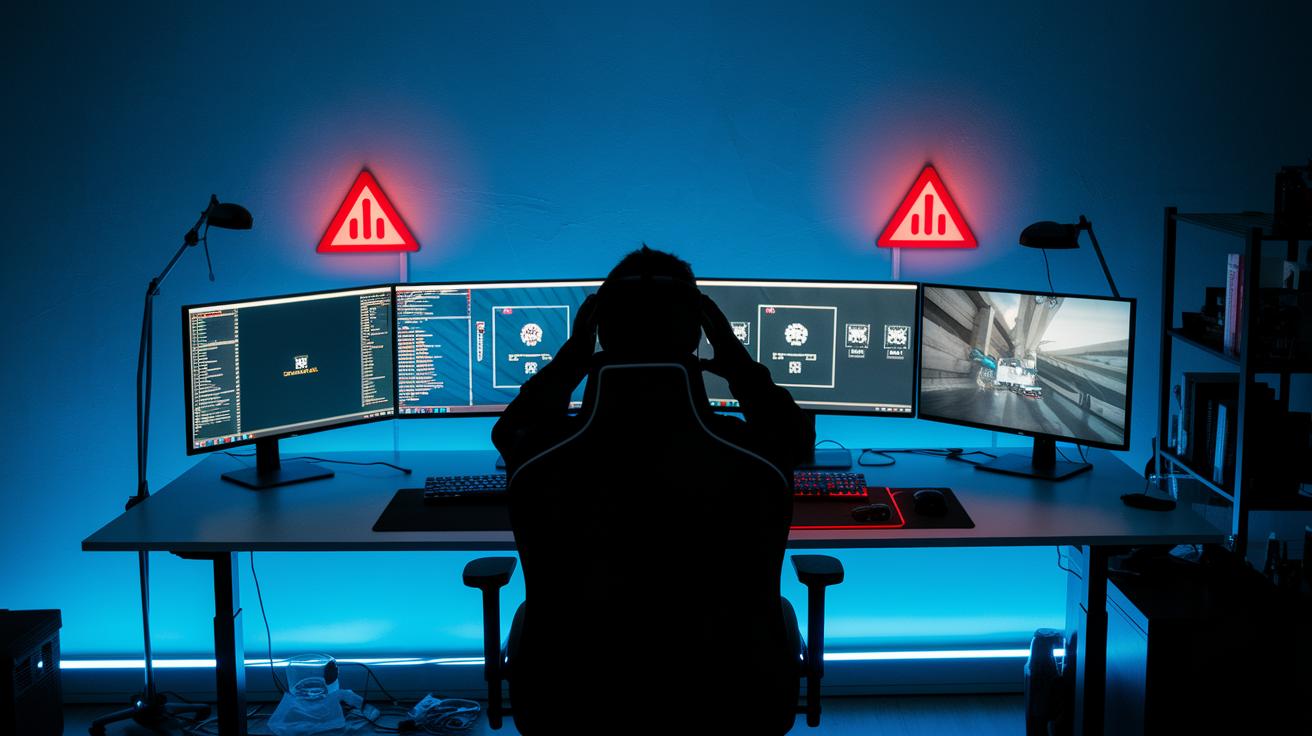
When you're trying to figure out if your gaming is becoming worse than fun, experts use guidelines like those in ICD-11 and DSM-5-TR. In ICD-11, they look for signs like not being able to control your game time, putting games before other parts of life, and keeping on playing even when it hurts you. DSM-5-TR lists nine signs of Internet Gaming Disorder, which include feeling withdrawal, needing to play more for the same thrill (that’s tolerance), and losing control over your gaming sessions. Think about it like this: you try to cut back on your favorite game but end up playing even longer. That’s a big red flag.
Experts also check how much you play, like 8 to 10 hours in a day or over 30 hours in a week, especially when it starts messing with school, work, or relationships. Tools such as the IGD-20 Test and detailed questionnaires by clinicians help spot these issues early. These tests are super useful for catching problems before gaming takes over your entire life.
Treatment and Support Options for Gaming Addiction

When too much gaming starts messing with your everyday life, it might be time to ask for some professional help. Getting guidance can be a real game-changer by keeping gaming fun without letting it take over your world. There are several ways to find help so you can regain balance and control.
Group therapy lets you chat with others who get what you're going through. You might pick up practical tips to manage your urges and even build a support team outside of gaming. Cognitive Behavioral Therapy, or CBT, helps you break out of negative thinking and form healthier habits. It’s a solid option if you feel stuck in a cycle of playing too much.
Family counseling can also make a big difference. When your loved ones understand the challenges, they can offer support that lightens the recovery journey. Rehab programs for gaming overuse come in different forms, ranging from partial care to more intensive setups, that guide you in cutting back screen time and settling back into your daily routine.
Therapy Approaches
| Treatment Approach | Description | Setting |
|---|---|---|
| Group Therapy | Sharing experiences and recovery tips with peers | Outpatient or community centers |
| Cognitive Behavioral Therapy | Changing negative thoughts and habits | Outpatient clinics |
| Family Counseling | Improving support and communication at home | Family sessions |
| Rehab Programs | Structured care to help reduce screen time | Rehab centers |
Prevention Strategies and Family Guidance for Managing Gaming Addiction
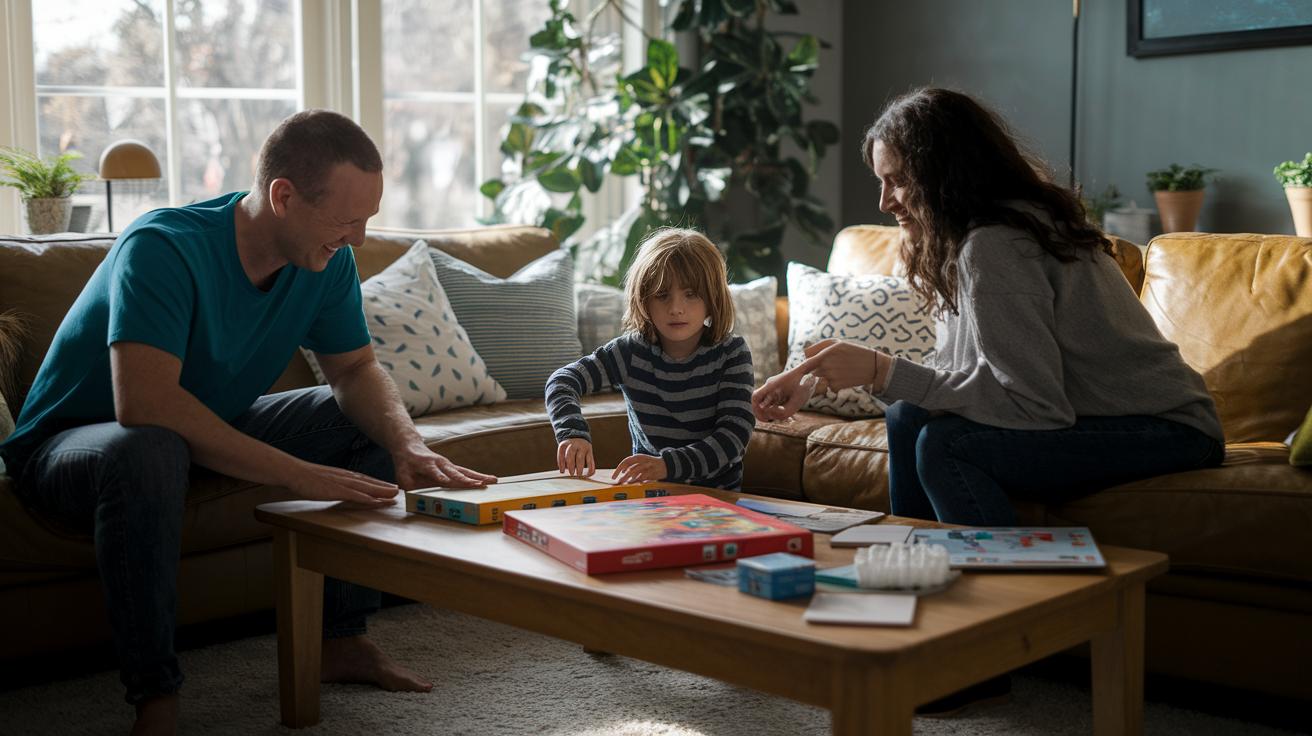
Parents and families can really help keep gaming fun without letting it take over everyone’s life. Think of it like planning a fun game night, you set simple rules that make sure there’s time for homework, outdoor play, and chill moments too. Setting a regular gaming limit, like 2 hours a day, is a great way to keep things balanced. It’s a bit like having a daily curfew for your screen time.
One cool tip is to keep gaming devices in common spots around the house. This way, everyone can see when someone’s playing, and it makes it easier to chat about how the day is going. Plus, it gives a chance for more quality family hangouts.
Here are some easy, practical steps:
- Setting clear time limits for each gaming session
- Keeping devices in shared areas to encourage family time
- Planning screen-free breaks, just as normal as a lunch break
- Pushing for offline fun like sports, reading, or creative hobbies
- Holding regular family chats to talk about gaming without any judgment
Having a family plan that everyone agrees on can really open up good conversations. It makes spotting any issues early on a lot easier, especially if gaming starts to mess with other parts of daily life. These simple moves can help make sure that gaming stays a blast while keeping personal and family time safe and sound.
Final Words
in the action, we explored the signs and impacts of gaming addiction and how it shifts from fun play to a serious matter. We broke down key symptoms, risk factors, and ways to spot when excessive play affects day-to-day life. We also covered various treatment options and easy prevention measures. With clear guidance and a shared sense of responsibility, gamers can fine-tune their habits and benefit from smarter play. Stay positive, keep learning, and enjoy each game while keeping your life balanced.
FAQ
What are the signs of a gaming addiction?
The signs of a gaming addiction include constant preoccupation with games, neglect of responsibilities, needing more playtime for satisfaction, using gaming to escape, and experiencing irritability when not playing.
How to solve a gaming addiction?
The approach to solving a gaming addiction involves professional support like therapy, group counseling, and family guidance, along with creating balanced routines that include offline activities and scheduled screen breaks.
How many hours of gaming is considered an addiction?
The threshold for gaming addiction is generally around 8–10 hours daily or 30+ hours weekly, with gaming interfering noticeably with work, school, or social life.
What is the root cause of video game addiction?
The root cause of video game addiction is linked to using games to meet social needs, trigger rewarding feelings, and manage negative emotions, along with underlying mental health factors and early exposure.