
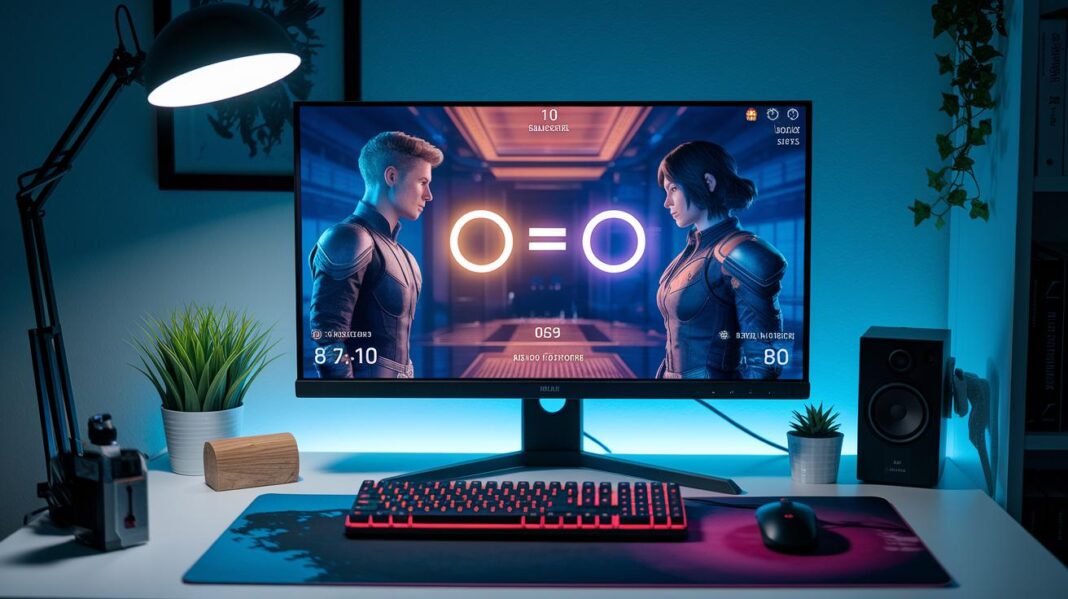

Ever thought about whether game updates make matches fairer or just mess with your play style? When devs adjust hero stats and ability cooldowns (that’s when you wait longer to use a move again), you have to switch up your strategy. Even a small tweak can shake things up completely and open new ways to win.
In this post, we break down how these updates change the balance of the game. It’s all about giving every tactic a fair shot while keeping battles exciting and close.
Core Role of Game Updates in Shaping Balance
Game updates are key to keeping the gameplay fresh and fair. They tweak hero abilities, stats, and mechanics so no single strategy can run wild. It’s like hitting a reset button to make sure every play style has a fair shot. Even tiny changes to a hero’s power can nudge players to change up their roles.
Regular updates mix things up and keep the action dynamic. When a fan-favorite hero takes a slight hit in strength, new strategies and team setups start to form. This gives everyone a fair chance to score wins, like a gentle push to try out a new tactic.
Frequent revisions force players to rethink their moves and adjust their tactics. Over time, these updates create a game where no trick stays dominant for too long, allowing every player to shine.
Mechanisms Behind Balance Shifts in Game Updates
Big game patches shake things up pretty fast. They tweak hero stats, ability cooldowns, and damage numbers. For example, one update might give a boost to a rarely used feature while cutting back on something that’s been too overpowered. This ongoing fine-tuning means you’re always rethinking your tactics and trying out new strategies.
Every update comes with a mix of changes that work together to keep the gameplay fresh. Developers add a bit here and take a bit away there to make sure no one trick stays unbeatable for too long. This keeps every match lively and fair.
Take a look at these key mechanisms:
| Mechanism | What It Does |
|---|---|
| Buffs | Boosts features that aren’t used much |
| Nerfs | Dials back on strategies that have become too strong |
| Tuning Tweaks | Adjusts numbers in real-time to keep things balanced |
By using these methods, developers keep the game evolving and fair. Regular tweaks based on feedback and data mean no single strategy can last forever. So, whenever a new patch drops, it’s like hitting the reset button with a level playing field and fresh challenges waiting for you.
Case Studies: How Patches Influence Competitive Meta and Balance
The article "Why Staying Informed on Game Updates Can Improve Your Gaming Experience" (Apr 27, 2025) shows why it's smart to keep up with game patches. When updates roll out, they let you tweak your game plan right away. Imagine reading a headline that says, "In 2025, a single patch flipped the competitive scene overnight." That surprise fact reminds us that staying informed helps avoid getting caught off guard by sudden changes that can really mix up champions and roles.
Take League of Legends patch 12.5, for example. This update reworked champion strengths by nerfing top picks and boosting those who were lagging. Many players had to rethink their usual team line-ups and strategies. Ever had to swap out your go-to champion just because the game changed its stats? That shift pushed players to try out new strategies and mix up their picks, sparking chatter and fresh ideas in the community.
World of Warcraft patch 9.2 brought similar changes by tweaking raid mechanics and performance numbers. The update adjusted damage, health limits, and skill cooldowns, making old tactics less effective while opening up room for new plays. Players had to quickly change their approach in both raid settings and player-versus-player battles. These updates prove that even long-running games must evolve to keep the play fair and fun for everyone.
Player Feedback and Community Impact on Balanced Updates
Player suggestions are a big deal when it comes to game updates. Gamers chat on forums, streams, and even in creator videos, sharing tips and thoughts on game tweaks. Devs keep an eye on these chats to spot if a certain move or skill is too strong or too weak. For instance, if someone says, "The cooldown on my favorite hero feels off," the team might take a closer look and tweak that character's abilities. It’s like an ongoing conversation where every tip helps make the game better.
Real-time game data also plays its part. As players jump into matches, devs collect stats to see what needs a quick fix, like adjusting how much damage a move does or changing how long a cooldown lasts. When something messes with the game balance, the team can jump in and fix it fast. In the end, combining live stats with player feedback helps keep the gaming experience fun and fair for everyone.
Tools and Techniques for Data-Driven Balance Tuning
Metrics are at the heart of tweaking game balance. Developers collect data on win rates, pick rates, and damage output to see how every change plays out. For example, checking a champion's win rate can show if they’re overpowered or just right. Relying on these solid numbers instead of just gut feelings helps the team fine-tune the game, keeping it both fair and fun. It's like having a scoreboard that never lies.
Testing practice runs and balance trials also lean on these key numbers. By looking at win rates and damage stats, the team can tell if new fixes boost gameplay. This steady, data-driven method helps avoid rash changes and keeps the game enjoyable for everyone. When shifts appear in important metrics, developers can adjust things like ability damage or cooldowns to keep the game even-steven. The goal is to back fair play and reward smart strategy with every update.
| Metric | Purpose | Example |
|---|---|---|
| Win Rate | Measures overall success | Champion X increased from 45% to 50% |
| Pick Rate | Indicates popularity bias | Weapon Y usage rose from 10% to 25% |
| Damage Output | Tracks performance shifts | Ability Z DPS dropped by 8% |
Best Practices for Sustaining Balance Through Iterative Updates
Keeping your game balanced means small, steady changes instead of big, sudden overhauls. Think of it like giving a tiny boost to your favorite hero every few weeks instead of a huge update every few months. This little-by-little approach keeps the game fun and fair without confusing anyone.
One neat trick is to roll out updates gradually. Instead of dropping a massive patch while everyone sleeps, break it up into smaller bits and explain each change clearly. It’s like learning a cool new move one step at a time instead of getting tossed into the deep end all at once.
The real magic happens with constant little tweaks. Each update lets developers learn from what players are saying, fine-tuning each part of the game. When changes are explained openly, players feel more involved and excited for what’s coming next.
Final Words
In the action, we broke down how patches change stats and tweak player abilities, stirring up the competitive meta. We saw how real-time tweaks, community input, and careful data checks keep gameplay fun and fair. Each example, from hero balance adjustments to timing strategies, shows the heart of game updates. It all goes back to understanding how game updates influence game balance, keeping gameplay sharp and every match exciting.
FAQ
How game updates influence game balance reddit
The game updates influence game balance on platforms like Reddit by adjusting abilities and stats to keep gameplay fair. These changes help prevent any one strategy from dominating and keep the meta fresh.
How game updates influence game balance 2022
The game updates in 2022 influenced balance by revising key mechanics and hero stats to challenge dominant tactics. They maintained fairness and injected fresh strategy options for a more engaging play experience.
What makes a game balanced?
A game is balanced when all strategies or characters have fair chances of winning. This balance is achieved through regular tweaks to abilities, stats, and mechanics that prevent any single option from overpowering the rest.
What is the 40 second rule in gaming?
The 40 second rule in gaming refers to a brief period allowed in gameplay for planning or adjusting strategies. It gives players a quick window to reset or recalibrate tactics for smoother play.
What does updating a game do?
Updating a game refreshes content by fixing bugs, tweaking character abilities, and adjusting mechanics. These updates keep the gameplay exciting, fair, and engaging by continuously refining the player experience.
What are the 3 C’s in games?
The 3 C’s in games are character, controls, and camera. They cover how a player’s avatar is designed, how the system responds to inputs, and how the visual perspective is managed for smooth gameplay.