


Ever wonder what goes on behind the scenes before your favorite game update drops? It's like facing a mini boss fight where every tweak can completely change the game for millions.
We're pulling back the curtain to show you how studios blend wild creativity with tight budgets and tricky tech challenges. Picture a tiny spark that slowly grows into an update that reshapes the way we play.
So, get ready to dive into the secret steps that keep our gaming worlds fresh and exciting, just like a surprise level in your favorite game.
Insider View of Behind the Scenes of Game Updates
The gaming world is huge and buzzing with excitement. Can you imagine it hitting nearly $197 billion? Every update is massive. Studios are pushing creativity and technical skills to their limits, and even a small tweak can change how millions of us play. It’s like each update is a mini boss fight, where every improvement keeps the game fresh and secure.
Game updates kick off with a solid idea and friendly chats with key players, all while watching the budget. Developers balance their creative visions with tight money matters, knowing that once a game makes over $1 million, a 5% royalty kicks in on extra earnings. This money twist adds pressure to every step, reminding teams how careful planning meets the hard realities of game finance. Sometimes, studios even jot down every little change during a session, just to capture how art meets dollars, kind of like what you see in rust game updates.
Next, we’ll peel back the curtain on every stage of the update process, from that first burst of creativity to the live service rollout. We’ll check out how art gets made, how coding rules shape the game, and how community feedback sparks even more cool ideas. It’s a behind-the-scenes look at the magic that makes every game update an epic moment.
Behind the scenes of game updates: Insider Magic

Studios plan their game updates like gearing up for a major raid. For example, Minion Rush launched in 2013, and its huge update on May 20 came after a six-month development run. In that update, the team dropped fresh features like animated cutscenes, new player expressions, death/respawn mechanics (where you come back after being defeated), text localization, controller support, and even romance options. Every update comes from a solid vision and quick sprints, much like a well-coordinated co-op run.
These studios use agile methods to keep everything smooth. They break the work into clear steps so designers, coders, and testers can jam together. Each step acts like a checkpoint in a game, making sure cool ideas turn into real features you can enjoy. Check out the main milestones they follow:
- Concept approval and scope lock
- Prototype conception and script examination
- Art and code sprints (feature development)
- Closed testing and crash reporting
- Pre-release checklist and release candidate sign-off
Keeping the sprint rhythm is key. Teams catch up daily to talk progress and adjust priorities so nothing goes unnoticed. Under the pressure of deadlines, they mix creative flair with smart work, like planning a winning move in a multiplayer battle. This steady approach not only keeps the project lively but also builds excitement as players eagerly wait for the next big update.
Asset Creation & Development Workflow in Game Updates
When studios work on game updates, they pick an engine that sets both the art style and the coding fixes in motion. Unity 3D holds about 48% of the market, while Unreal Engine sits around 13%. Developers choose the engine that best fits their needs, playing to each tool’s strengths and hurdles. This decision affects how they manage assets like art, sound, and compiled code, which are usually big and tricky to handle. Managing these files together with code calls for careful planning to avoid delays or bugs.
Along with the engine choice, teams use different tools to create textures, 3D models, character rigs, and huge game worlds. They mix free software with paid options to drive art forward. Behind every update, you can see the hidden craftsmanship in fine details like pixel-perfect character sprites and thoughtfully built environments that bring a game’s world to life. Every piece is built and merged into the update pipeline to deliver the top-notch quality that players expect. It’s a cool blend of art and coding, all working together like a well-coordinated co-op mission.
Testing, Debugging Odyssey, and Quality Safeguards in Game Updates
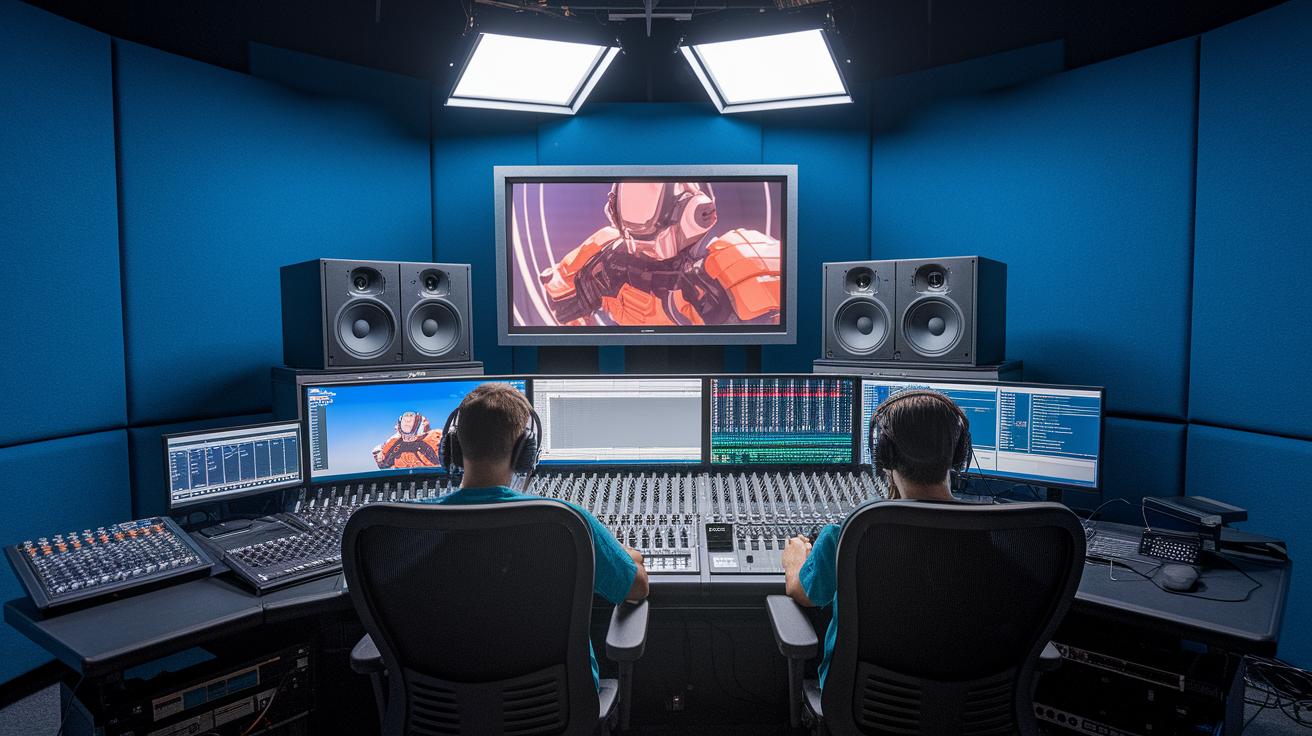
Quality checks are the heart and soul of every game update. Our QA team dives into each change using a mix of hands-on play and smart automated tests. They hunt down bugs, slowdowns, and even surprise crashes before updates hit your screen. It’s like gearing up for an epic raid – every detail has to be perfect to keep the game smooth and avoid any leaks.
| Testing Method | Purpose | Frequency |
|---|---|---|
| Manual Playthroughs | Catch gameplay bugs | Every build |
| Automated Regression | Validate core systems | Daily |
| Stress & Load Testing | Ensure server stability | Pre-release |
After every test is run, the final sign-off kicks in. Think of it as the last nod before jumping into battle – a final check to ensure everything is stable and all small issues have been smoothed out. With this careful review, updates roll out seamlessly, keeping the gameplay secure and fun.
Launch Blueprint & Deployment Coordination for Game Updates
Studios kick off the update process by choosing the hosting setup that best suits their needs. They might go with on-premises hosting if they want complete control, opt for cloud hosting for super easy scalability (imagine it as adding more power without the hassle), or pick a hybrid model that blends both worlds. They also rely on content delivery networks (CDNs), a group of global edge servers that help cut down load times and keep everything running smoothly for the players.
Behind the scenes, an automated pipeline handles all the heavy lifting. This system takes care of tasks like merging new code and transferring data, which helps reduce downtime and keeps the rollout smooth. Teams from operations and development work together closely, watching every detail to make sure player experiences remain top-notch.
Before going live, the crew runs through a detailed checklist and sets up rollback plans as a safety net. They verify features, check that everything plays nice with the different hosting models, and get final approvals from QA. Once everything’s set, the update is deployed with backup strategies ready in case something unexpected pops up. It’s like a coordinated dance of careful planning and quick fixes, ensuring the update reaches live servers with minimal fuss.
Community Liaison & Post-Launch Support in Game Updates

Our dev team recently hosted a Q&A session that felt just like catching up with old friends. They answered questions, shared cool insights, and listened to honest feedback about new features and tweaks. This friendly exchange helps them spot issues and shift priorities fast, keeping the game lively and in tune with your needs.
They also use data to watch how you play, tracking habits, game retention, and security issues. Imagine it like having a mini in-game radar that picks up glitches early. With this info, they can quickly fix any problems before they impact your fun, keeping every update smooth and secure.
After that, the team refreshes the roadmap and writes patch notes in simple, clear language, kind of like subtitles in your favorite game scene. These notes help plan future content and polish the gameplay. They even share teasers of upcoming demos to hint at fresh, exciting drops. This shows that post-launch support is an ongoing, active process that grows right along with what you need.
Final Words
in the action, our post took you from the spark of an idea to the live thrill of community feedback. We broke down how teams plan, build cool assets, test for smooth gameplay, and drop updates without a blip. Every piece plays a role in making game updates top-notch. With behind the scenes of game updates lighting the way, there's plenty to be excited about as game experiences keep getting better.
FAQ
What do behind the scenes of game updates on Reddit, YouTube, Fortnite, and Xbox show?
The behind the scenes process of game updates shows how developers plan, code, test, and launch new features. Fans can catch these insights on Reddit and YouTube, with examples seen in titles like Fortnite and on Xbox.
What is the 40 second rule in gaming?
The 40 second rule in gaming explains a short cooldown or pause period that lets players quickly recover or adjust tactics before diving back into action.
What is the 80 20 rule in game development?
The 80/20 rule in game development means that 80 percent of a game’s impact comes from 20 percent of its features. Teams focus on these key elements to boost overall player experience.
What are the 7 stages of game development?
The 7 stages of game development include concept creation, planning, asset development, coding, testing, launch preparation, and post-launch support. Each stage plays a vital role in building an engaging game.
What game took 9 years to make?
The mention of a game taking nine years to develop usually points to titles with long design cycles where detailed, iterative work leads to a polished experience that truly stands out.